The Highs and Lows of Indie Yarn: How to Spot Quality and Avoid Disappointment
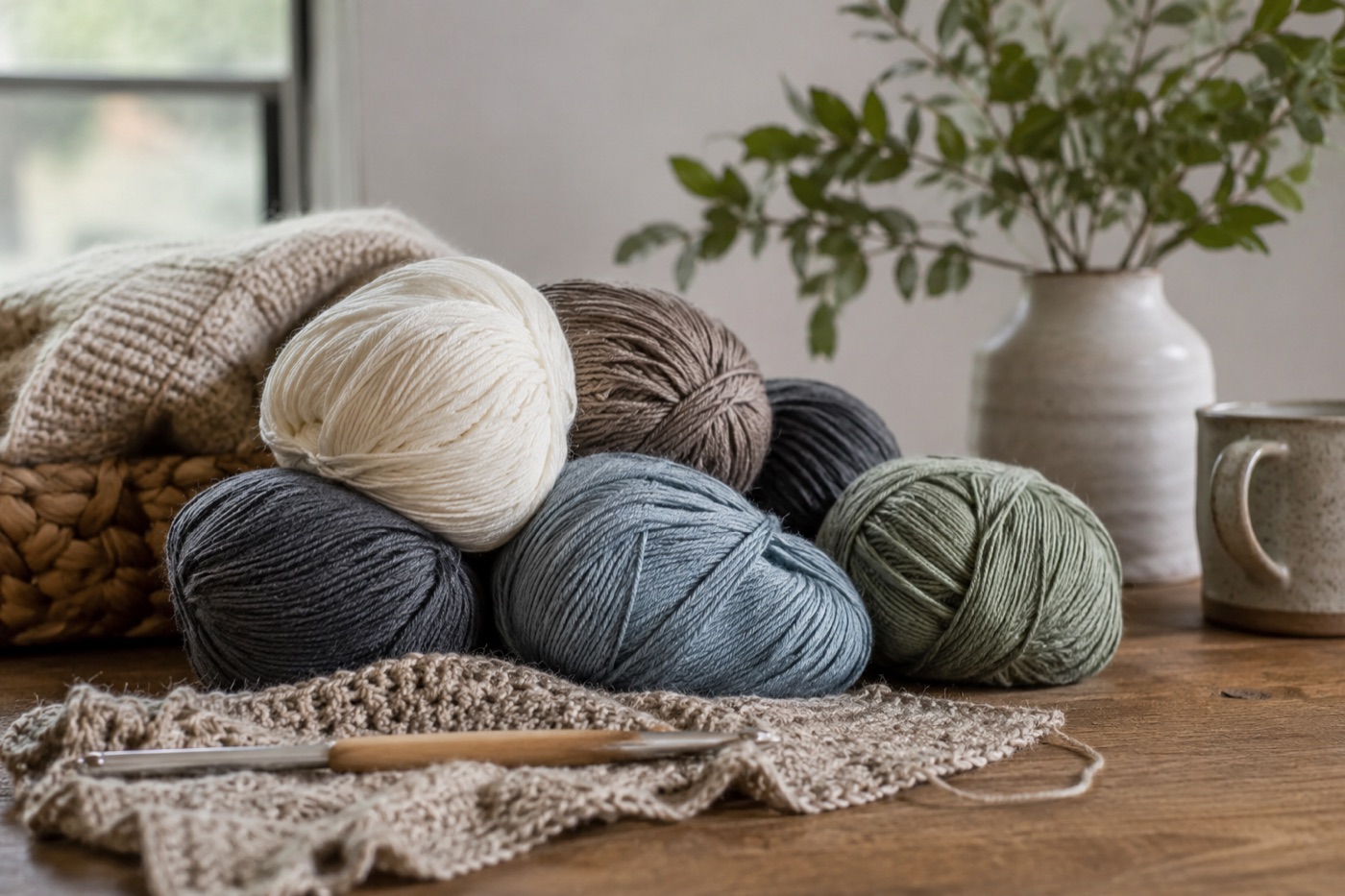
Indie yarn has won over the hearts of crafters worldwide with its stunning colors, artisanal qualities, and the personal touch of small-batch production. However, not all indie yarns are created equal. While some are exceptionally high-quality, others may fall short, causing frustration for makers who invest in materials that don’t meet their standards.
In this post, we’ll take an honest look at both the good and the bad of indie yarn. We’ll highlight what makes quality indie yarn so special, the common issues with low-quality yarn, and tips for spotting the best of the bunch.
The Beauty of High-Quality Indie Yarn
When indie yarn is made well, it can completely elevate your crafting experience. Here’s what makes high-quality indie yarn worth every penny.
-
Exceptional Fiber Quality
- The best indie dyers use luxurious fibers like fine merino, alpaca, silk, or cashmere, often sourced from ethical suppliers. This focus on quality results in yarn that feels soft and smooth, is easy to work with, and ages beautifully.
- Some dyers even specialize in organic or rare fibers, offering an extra touch of uniqueness and luxury.
-
Stunning, Unique Colorways
- High-quality indie yarn shines in its colorways. Artisans experiment with dye techniques to create one-of-a-kind blends inspired by nature, art, and personal experience. From rich tonal shades to intricate speckling and gradient effects, these colorways make projects stand out.
- Professional indie dyers take the time to properly cure and set their yarns, ensuring vibrant colors that resist fading and bleeding over time.
-
Consistent Quality and Attention to Detail
- Reliable indie dyers produce yarn that’s consistent in color, thickness, and twist, even between skeins. This consistency allows for cohesive projects, especially for larger items like sweaters and blankets, where uniformity is key.
- Consistent quality also makes high-quality indie yarn ideal for wearables, as the yarn’s integrity ensures it will hold its shape and appearance with use.
-
Eco-Friendly and Ethical Practices
- Many top-tier indie dyers are mindful of their environmental impact, using sustainable practices, organic fibers, and non-toxic or plant-based dyes. This means you’re not only getting beautiful yarn but also supporting an eco-conscious approach to crafting.
-
A Sense of Community and Connection
- High-quality indie yarn doesn’t just feel good in your hands – it brings you closer to the artist behind it. Many dyers share the stories and inspirations behind their work, creating a unique bond with their customers. The indie yarn community is vibrant and supportive, allowing crafters to connect over their shared passion for handcrafted fibers.
The Downsides of Low-Quality Indie Yarn
Despite the wonderful qualities indie yarn can offer, not all of it meets these high standards. Let’s take a look at common issues with low-quality indie yarn and how to avoid them.
-
Inconsistent Dyeing and Color Bleeding
- Some indie yarns may have blotchy or uneven colors, where dyeing isn’t applied consistently across the yarn. This can create unexpected color shifts in your project, which might not be the look you want.
- Additionally, low-quality dye jobs can result in color bleeding. Poorly set dyes may fade quickly or stain other materials, leading to disappointing results.
-
Weak or Unreliable Fiber Blends
- Some indie dyers use fibers that may look nice initially but are prone to excessive pilling, stretching, or breaking. These low-quality fibers lack durability and can fray or lose shape after minimal use, making them unsuitable for high-wear items.
- Dyers may experiment with unconventional fiber blends that don’t hold up well in everyday projects, so it’s essential to know the characteristics of the fiber you’re purchasing.
-
Over- or Under-Spun Yarn
- Poorly spun yarn is either too tightly twisted (over-spun) or too loosely twisted (under-spun), making it harder to work with and more prone to tangling or breaking. This inconsistency can disrupt your project’s flow and lead to an unsatisfactory finished look.
-
Significant Variations Between Skeins
- Some level of variation is normal, but low-quality yarns may have dramatic color differences even within the same dye lot, making it difficult to achieve a cohesive look in larger projects.
-
Poor Durability and Premature Pilling
- Low-quality indie yarn may look beautiful when new but can lose its luster quickly. Excessive pilling, fading, or misshaping indicates low-quality fibers that weren’t designed to stand the test of time.
How to Spot High-Quality Indie Yarn
Choosing high-quality indie yarn is key to creating a beautiful, long-lasting project. Here are tips for finding the best indie yarns and avoiding common pitfalls:
-
Research the Dyer and Their Process
- Look for dyers who share information about their materials and process. Reputable dyers are transparent about their fiber sources, dye methods, and care recommendations. This transparency is a good sign of a commitment to quality.
-
Read Reviews and Testimonials
- Customer reviews on sites like Ravelry, Etsy, or social media can be invaluable for understanding a dyer’s quality. Look for reviews that mention the yarn’s softness, colorfastness, and durability, as these are often indicators of high-quality yarn.
-
Try a Small Project First
- Before committing to a larger project, start with a small item, like a hat or scarf, to test the yarn’s properties. This approach lets you experience the yarn’s texture, durability, and color fastness before making a big investment.
-
Understand the Fiber Blend and Its Properties
- Each fiber has unique characteristics, so choose one that matches your project’s needs. Merino is soft and warm, perfect for clothing, while silk adds drape to shawls and accessories. Read up on fiber qualities or ask the dyer about their recommendations if you’re unsure.
What to Do if You’re Unhappy with an Indie Yarn Purchase
Even with careful research, you may occasionally end up with yarn that doesn’t meet your expectations. Here are some steps you can take:
-
Reach Out to the Seller
- Indie dyers are often passionate about their products and care about customer satisfaction. Politely explain your issue, and they may offer a refund, replacement, or advice on how to make the most of your yarn.
-
Leave an Honest Review
- Leaving a fair review can help other crafters make informed decisions and gives the dyer constructive feedback. Focus on factual issues like dye bleeding, texture, or color variation to help others understand what to expect.
-
Repurpose the Yarn
- If you’re unable to return the yarn, consider using it for smaller projects where the quality issues won’t be as noticeable. Alternating it with a sturdier yarn may also help improve its performance.
Final Thoughts: Finding the Right Indie Yarn for You
Indie yarn offers a unique crafting experience, connecting you with an artist’s vision and providing materials that feel special and personal. While high-quality indie yarn can elevate your projects with its beauty, softness, and durability, low-quality yarn may fall short of expectations.
The key to getting the most out of indie yarn is understanding what makes quality yarn stand out. Look for dyers who prioritize craftsmanship, consistency, and transparency, and don’t be afraid to experiment to find your favorite artisans. The world of indie yarn is filled with incredible talent, and with a little knowledge, you can find yarns that inspire and delight with each project.