How to Get Started With Crochet: A Beginner’s Guide to Hooking You on Crochet
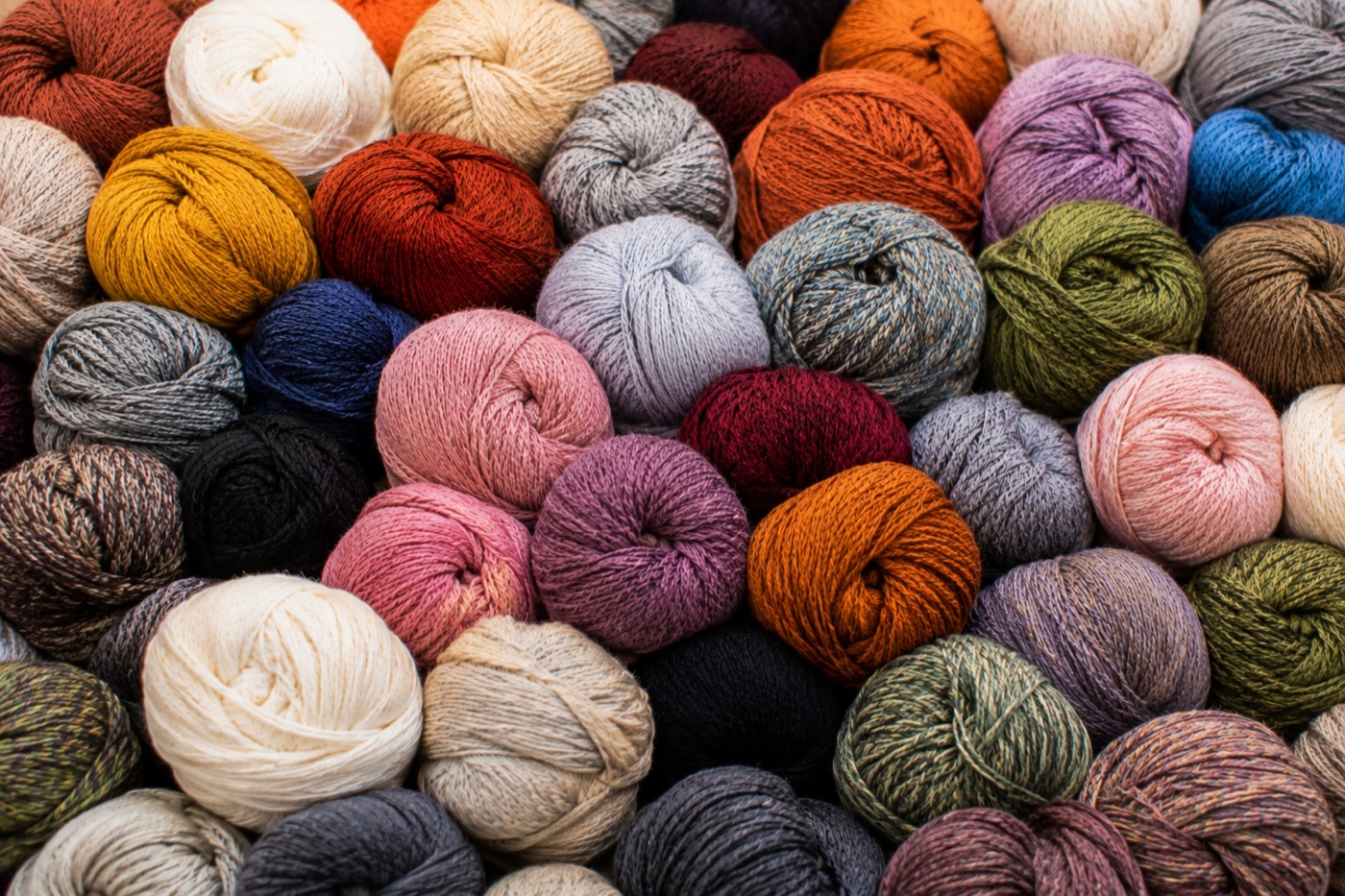
Crochet is a fun, creative, and versatile craft that’s perfect for anyone looking to relax while making something beautiful with their hands. Whether you’re dreaming of making cozy blankets, trendy bags, or adorable stuffed animals, crochet has something to offer everyone. Plus, it’s an easy hobby to pick up with minimal tools required. Let’s dive into how you can start your crochet journey!
Why Learn to Crochet?
Crocheting is not only a great way to express your creativity, but it also comes with practical benefits. From reducing stress and boosting mindfulness to improving hand-eye coordination, crochet is a rewarding hobby. Unlike knitting, which uses two needles, crochet only requires one hook, making it a bit simpler to manage for beginners. It’s also incredibly versatile, letting you create everything from clothing to home decor to toys.
What You’ll Need to Start Crocheting
Before you dive into your first project, you’ll need a few basic tools. Here’s what you’ll need:
-
Yarn: Just like with knitting, it’s best to start with a medium-weight yarn, often referred to as worsted weight or category 4. Acrylic yarns are affordable and easy to work with, making them a great choice for beginners.
-
Crochet Hook: Crochet hooks come in various sizes and materials. For beginners, a size 5mm (H-8) hook is a great place to start, as it pairs well with medium-weight yarn. Aluminum or plastic hooks are common, but ergonomic hooks can be more comfortable if you plan on crocheting for long periods.
-
Scissors: You’ll need a small pair of scissors to trim yarn as you work.
-
Tapestry Needle: This large, blunt needle is used to weave in yarn ends once you finish a project, and it’s an essential tool for any crocheter.
-
Stitch Markers (Optional): These little clips can help keep track of your stitches, especially in round or more complex projects.
-
Gauge (Optional): As you get more experienced, a stitch gauge can help ensure your stitches are the right size, but it’s not necessary for starting out.
Learn the Basic Stitches
The beauty of crochet is that most projects are built on a few basic stitches. Once you learn these, you can unlock endless possibilities. Here are the fundamental stitches to get started:
-
Chain (ch): The chain stitch is the foundation for most crochet projects. It creates the base upon which other stitches are built.
-
Single Crochet (sc): This is the simplest stitch, perfect for beginners. You’ll use this stitch to create dense, sturdy fabric.
-
Double Crochet (dc): The double crochet stitch is taller and looser than a single crochet, making it great for airy, open designs like scarves and shawls.
-
Slip Stitch (sl st): This is used to join stitches together or to move the yarn across your project without adding height.
Many tutorials, especially on YouTube, break down these stitches step by step, which makes it easy to follow along.
Start with a Simple Project
While crochet is accessible, it’s important to start with a project that’s not too overwhelming. Here are a few beginner-friendly ideas to consider:
-
Granny Square: This classic crochet project is made using double crochet stitches and can be turned into anything from blankets to bags.
-
Dishcloth: Like knitting, a dishcloth is a simple, square-shaped project that’s easy to make and practical to use.
-
Scarf: A simple scarf in single or double crochet is a great way to practice consistency in your stitches.
-
Headband: A quick and stylish project that can be completed in just a couple of hours.
Helpful Tips for Beginners
-
Take It Slow: Don’t worry if your first few stitches don’t look perfect. Every crocheter starts somewhere, and consistency will come with practice.
-
Watch Video Tutorials: Visual learners may find it helpful to watch tutorials that demonstrate stitch techniques. YouTube is full of helpful resources for crocheters of all levels.
-
Mind Your Tension: Tension refers to how tightly or loosely you hold the yarn. If your tension is too tight, it will be difficult to insert the hook. If it’s too loose, your stitches may look messy. With time, you’ll find the right balance.
-
Join a Community: Crochet has a huge online community that’s welcoming to newcomers. Reddit, Facebook groups and Instagram all offer spaces where you can ask for advice, find patterns, and show off your finished projects. In-person crochet groups can be found at local yarn shops or community centers if you prefer face-to-face interaction.
-
Don’t Be Afraid to Frog: "Frogging" is a term crocheters use for unraveling their work to fix mistakes. If you make an error, don’t be discouraged. Frogging is part of the process, and every mistake helps you improve.
Celebrate Your Progress
Once you’ve mastered the basic stitches and completed your first few projects, don’t be afraid to try more challenging patterns. As you improve, you’ll discover new techniques like working in the round, adding decorative borders, and combining stitches for more complex designs.
The beauty of crochet is that there’s always something new to learn. Whether you want to stick to basic projects or dive into advanced techniques, there’s no shortage of inspiration. Plus, there’s something incredibly rewarding about being able to wear, gift, or decorate your home with something you made by hand.
Final Thoughts
Crochet is a delightful and relaxing craft that allows you to create practical, beautiful, and sometimes whimsical items from just a ball of yarn and a hook. With a few basic tools and stitches, you can begin making handmade creations in no time. So grab your hook and yarn, and start your crochet journey today!
What’s the first thing you’re excited to crochet?