Choosing yarn
How to Substitute Yarn Without Ruining Your Gauge
The yarn a pattern calls for is a suggestion, not a rule. Swap it well and nobody will know; swap it badly and a sweater comes out a size too big or a shawl loses its drape. Here's how to pick a substitute that knits up the same, and how much of it to buy.
Some links in this guide are affiliate links. We earn a commission on purchases made through them, at no extra cost to you.
Find a substitute, then check the fabric
Our yarn substitute finder compares the yarns in our curated shop. Choose the yarn named in your pattern to see candidates and side-by-side specifications. It is a starting point, not a complete database of every yarn or a promise that two yarns are interchangeable.
- Match the intended use: a fitted ribbed hat needs different stretch and recovery from a draped shawl.
- Compare the fiber blend, smooth or brushed construction, label gauge and length per 100 g. A close number cannot compensate for the wrong fabric.
- Wash and dry a swatch as the finished garment will be treated. Measure both stitch and row gauge, and check drape, recovery and opacity.
- Buy by total length, round to whole skeins, and allow for swatching. Check care requirements and dye-lot availability before ordering.
Start with weight, but check it yourself
Weight names like DK and worsted are a brand's call, and they overlap. A useful first comparison is length per 100 g, alongside fiber, construction and the pattern's gauge. Rowan Felted Tweed is sold as a DK, but at 191 yd per 50 g it runs 382 yd (349 m) per 100 g, which falls in the calculator's sport-like yardage range. That does not overrule the manufacturer's label or tell you its finished gauge: its airy construction can still suit a DK pattern. A washed swatch decides.
| Weight | Meters per 100 g | Typical needles |
|---|---|---|
| Lace | 600 m or more | US 000–2 (1.5–2.75 mm) |
| Light fingering | 500–599 m | US 1–2 (2.25–2.75 mm) |
| Fingering | 400–499 m | US 1–3 (2.25–3.25 mm) |
| Sport | 300–399 m | US 3–5 (3.25–3.75 mm) |
| DK | 240–299 m | US 5–7 (3.75–4.5 mm) |
| Worsted | 200–239 m | US 7–9 (4.5–5.5 mm) |
| Aran | 120–199 m | US 8–10 (5–6 mm) |
| Bulky | 100–119 m | US 10–11 (6–8 mm) |
| Super bulky | under 100 m | US 11–17 (8–12.75 mm) |
Match the length per 100 g
Similar length per 100 g is a useful shortlist filter, especially for yarns with similar fiber and construction. It is not a guarantee of thickness or gauge: dense cotton, airy blown yarn and brushed mohair can behave very differently at the same ratio. Compare the recommended gauge and swatch in the pattern's stitch before deciding.
A worked comparison: close yardage, different results
Imagine a pattern using 100% wool at 200 m per 100 g and a gauge of 20 stitches per 10 cm. It needs six 100 g skeins, or 1,200 m in total. These are hypothetical candidates so you can apply the checks to any brand:
| Candidate | What looks promising | What could rule it out |
|---|---|---|
| Wool, 210 m per 100 g | Similar fiber and length ratio | Different twist or loft; swatch must match gauge and feel |
| Cotton, 200 m per 100 g | Same length ratio | Less elastic and heavier-feeling fabric; poor recovery in a fitted rib |
| Brushed blend, 200 m per 100 g | Same length ratio | Halo and construction may hide cables or change opacity |
If the wool candidate comes in 50 g balls of 105 m, the base calculation is 1,200 ÷ 105 = 11.43: round up to 12 balls. That gives 1,260 m, only 5% above the pattern quantity. Add more if your swatch, alterations or the pattern's own allowance require it. The calculation is a shopping quantity, not proof that the yarn suits the garment.
Then match how the fiber behaves
Same thickness isn't the same yarn. Fiber decides how the fabric moves, stretches and wears:
- Wool is springy and forgiving. It holds its shape and bounces back, which is what ribbing and fitted sweaters rely on.
- Superwash wool is treated to resist felting, but care instructions still vary. Some yarns relax and grow when wet. Follow the label and wash your swatch before measuring.
- Alpaca is warmer and drapier than wool, with little memory. Heavy alpaca garments can lengthen over time.
- Cotton and linen have no spring. They're lovely for summer tops and dishcloths, but they can't stand in for wool in a ribbed hat.
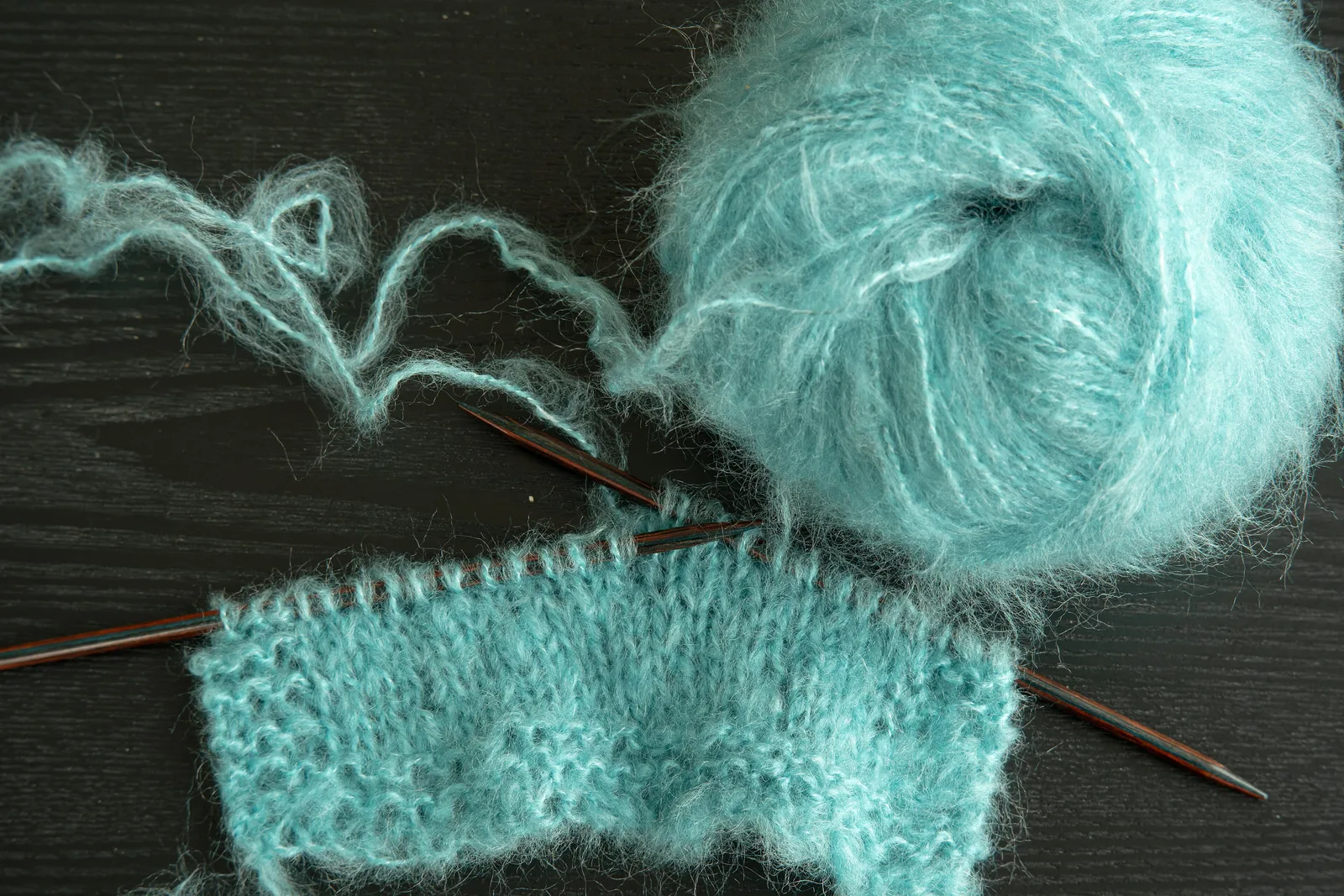
- Mohair and brushed yarns grow a halo that softens stitch definition: beautiful in plain knitting, blurry in cables and lace.
- Silk adds sheen, drape and weight.
Don't forget texture
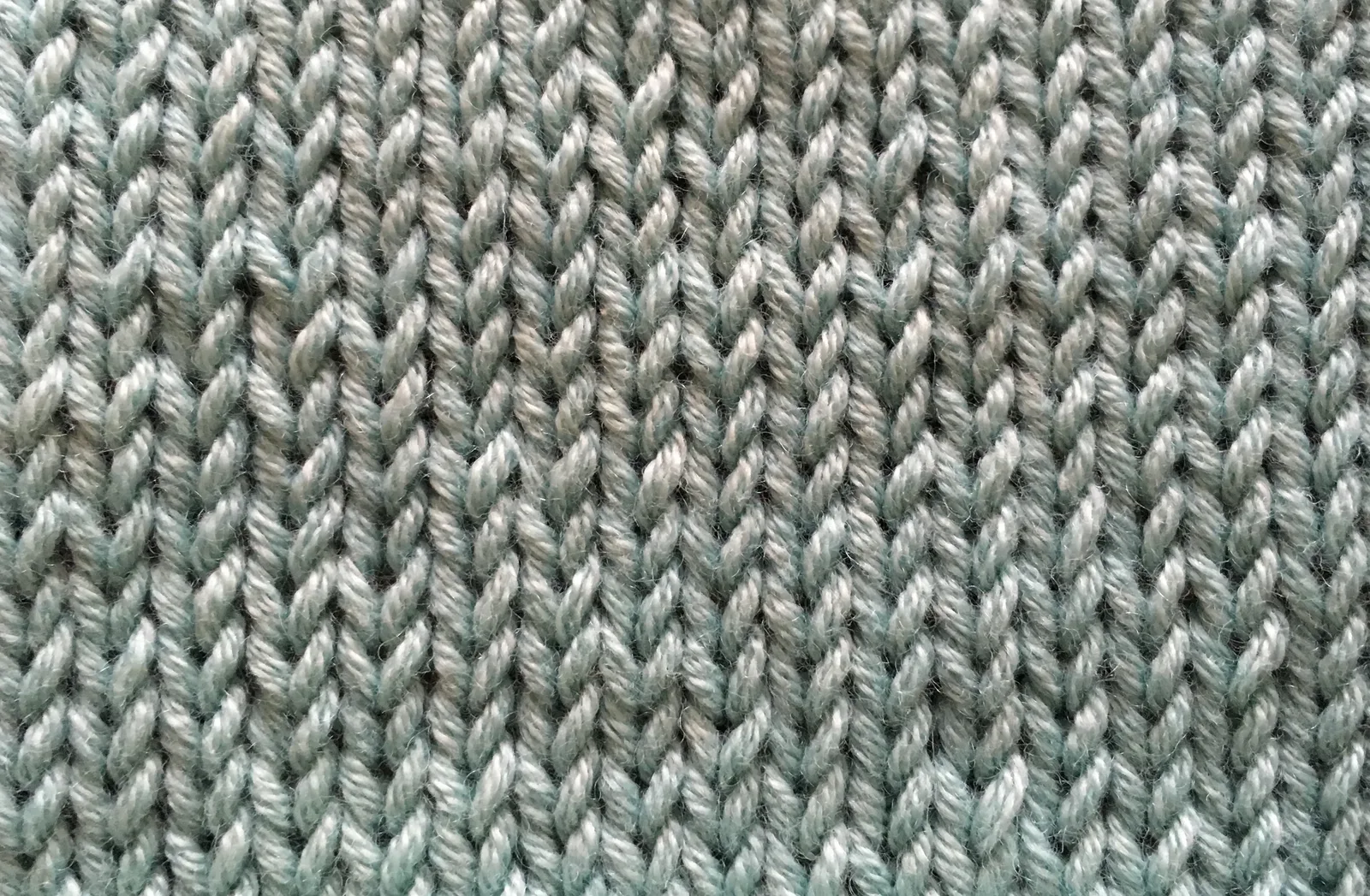
How a yarn is spun matters too. A smooth, round, plied yarn shows cables crisply; a single-ply yarn is softer and loftier but can pill, and may slant in stockinette. Tweeds and woolen-spun yarns are grippy and bloom after washing, which makes them ideal for colorwork and forgiving of uneven tension.
Work out how much to buy
Buy by total length, not by the number of balls. Multiply the balls your pattern calls for by their length, then divide by the length of one ball of your substitute and round up.
Say a pattern asks for 8 balls of Felted Tweed: 8 × 191 yd = 1,528 yd. Rowan Island Blend Fine has 180 yd per ball, so 1,528 ÷ 180 = 8.5, and you'd buy 9. Knit Picks Woolen Tweed comes in 437 yd skeins, so 4 cover it.
Knit a swatch, and wash it
- Cast on enough stitches for about 6 inches (15 cm) on the needle size the pattern suggests.
- Work about 6 inches in the pattern's main stitch.
- Wash and dry it the way you'll treat the finished piece.
- Count the stitches over 4 inches (10 cm) in the middle, away from the edges.
- More stitches than the pattern? Go up a needle size. Fewer? Go down. Then swatch again.
Classic swaps, side by side
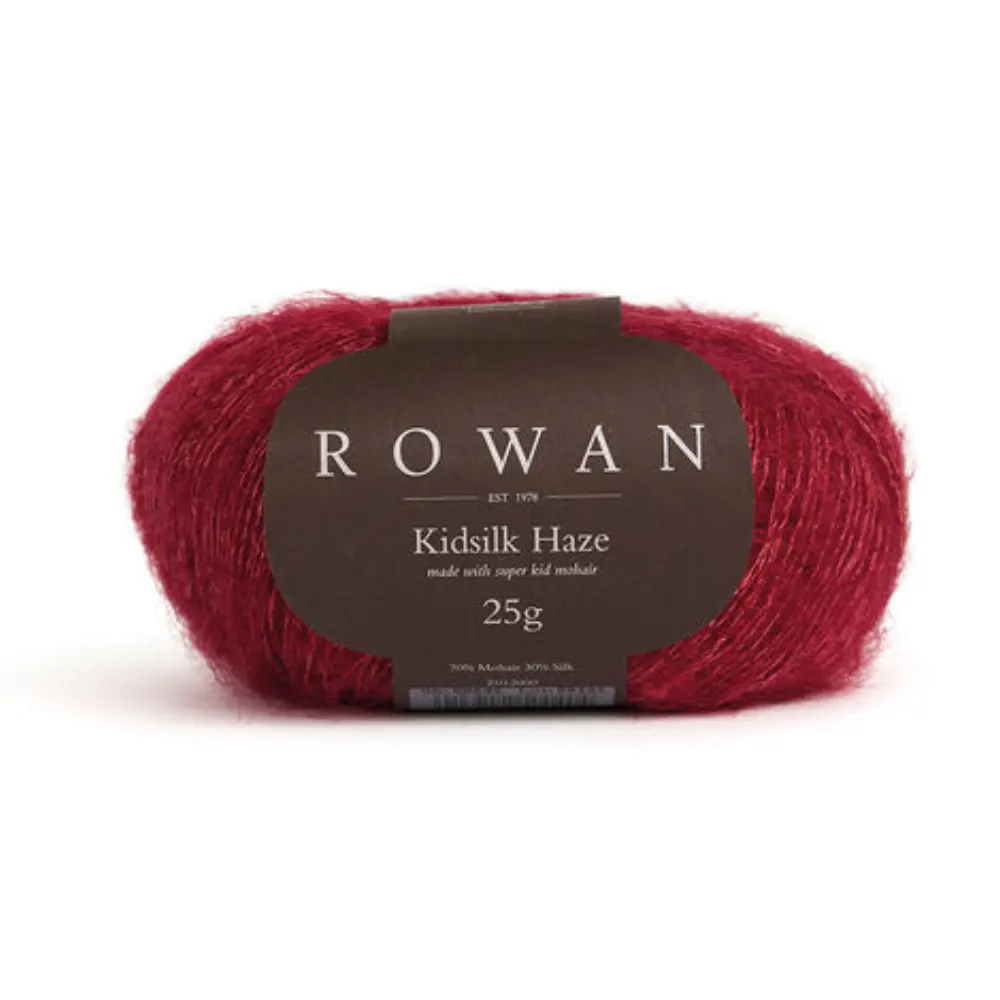
Rowan
Kidsilk Haze
Lace · 229 yds / 25 g
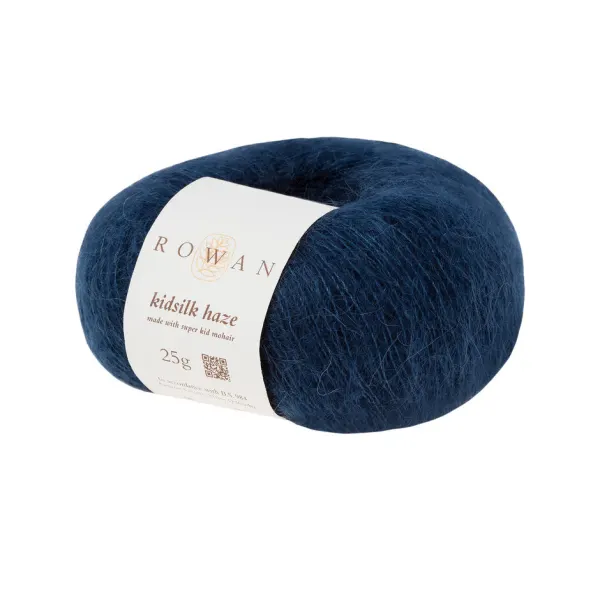
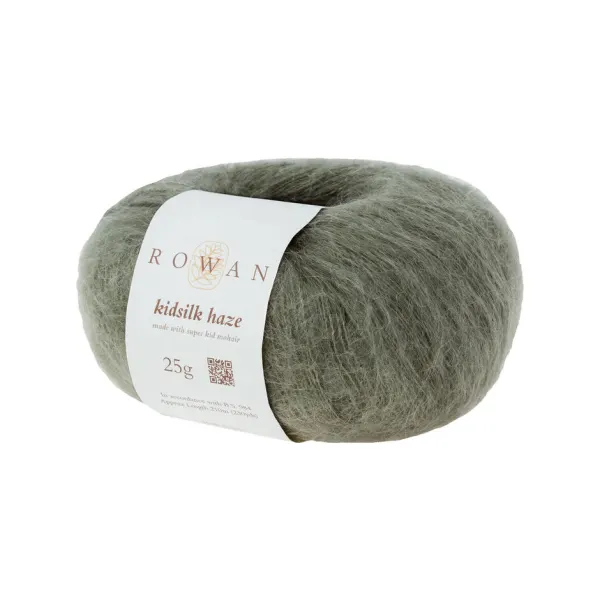
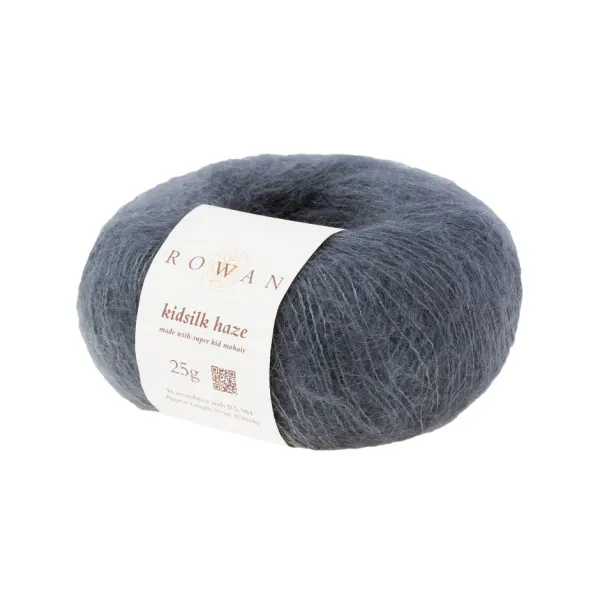 +4
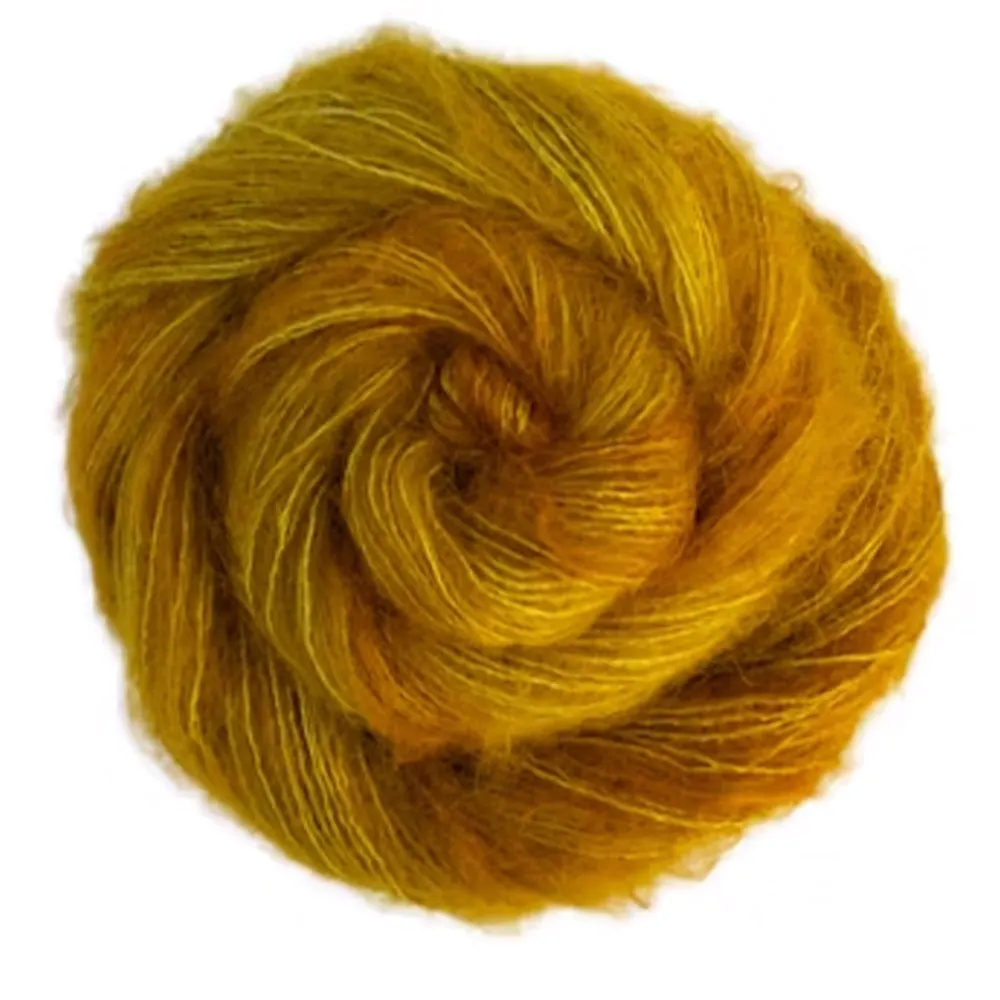
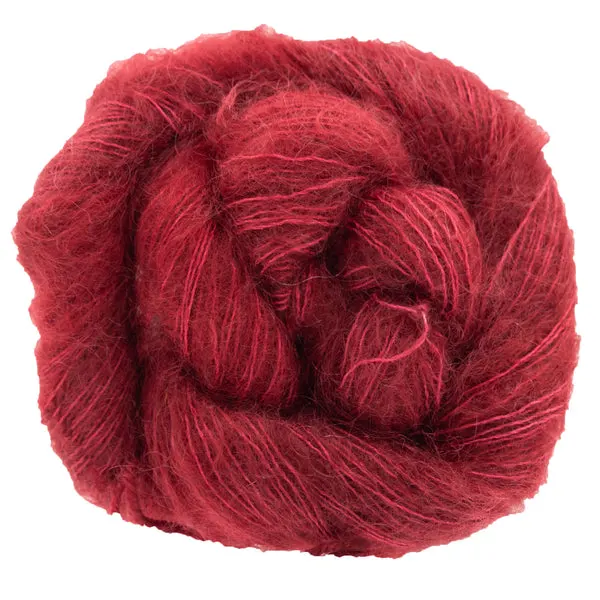
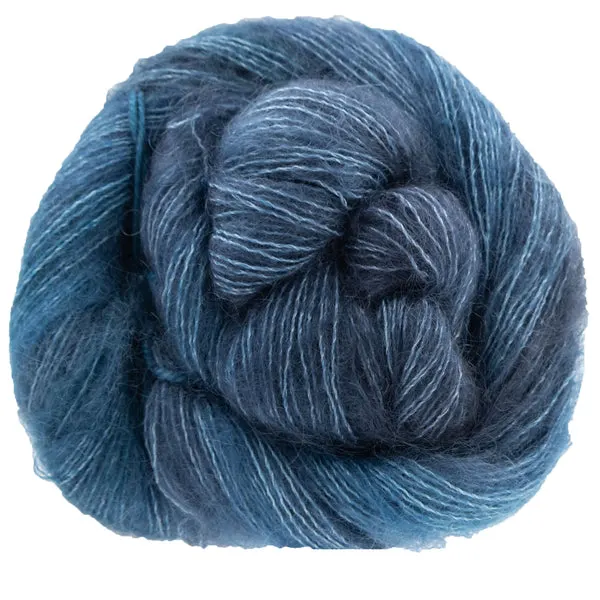
Malabrigo
Mohair
Lace · 229 yds / 25 g
 +4
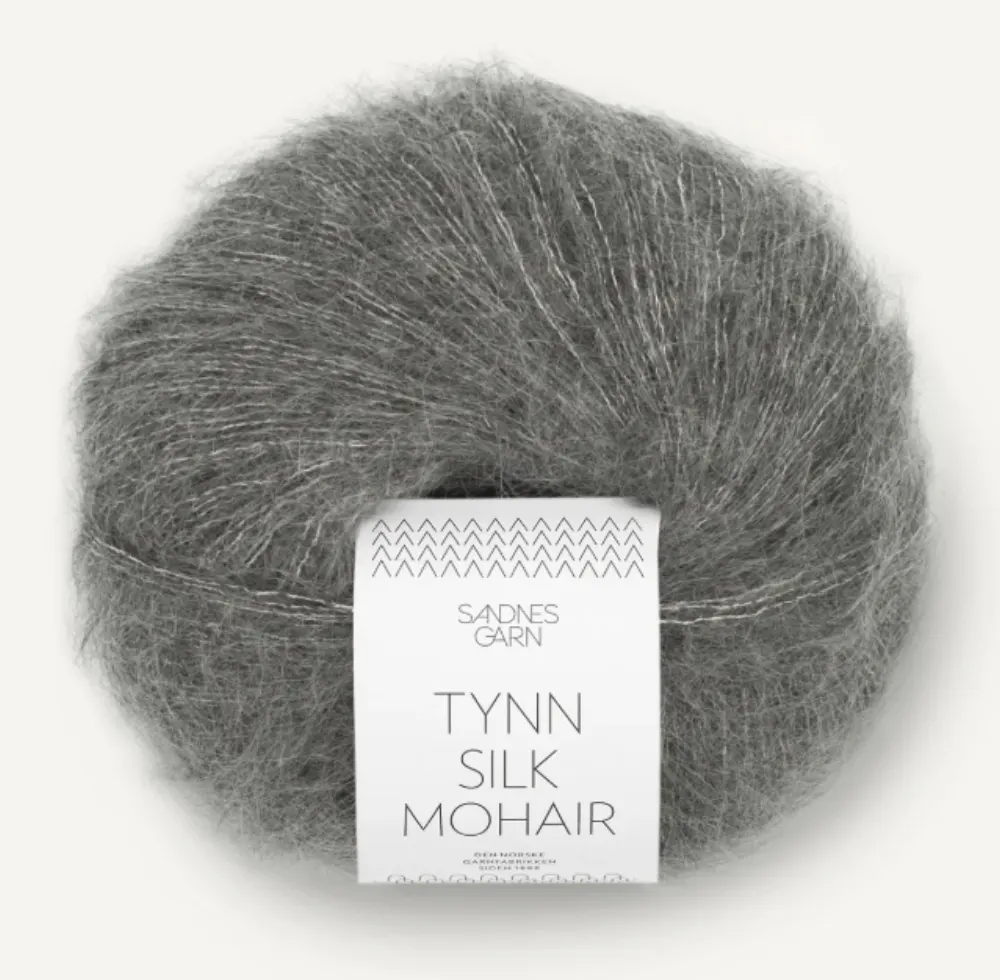
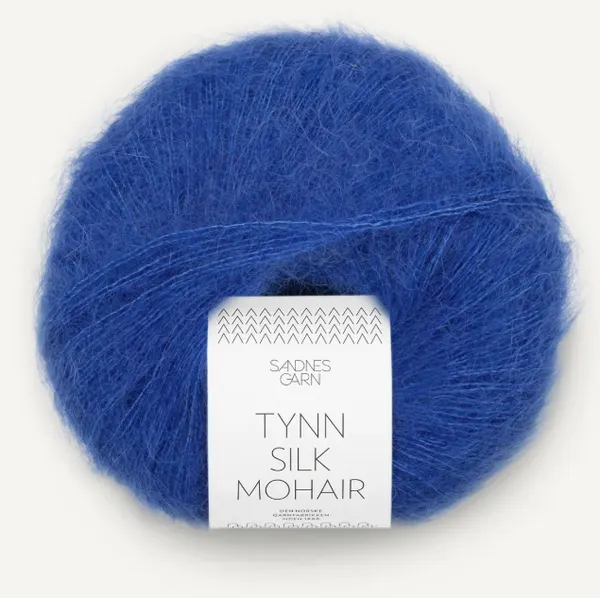
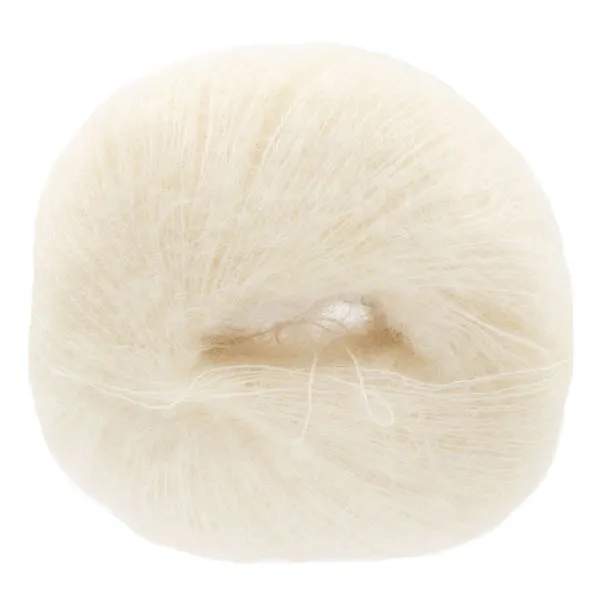
Sandnes Garn
Tynn Silk Mohair
Lace · 231 yds / 25 g
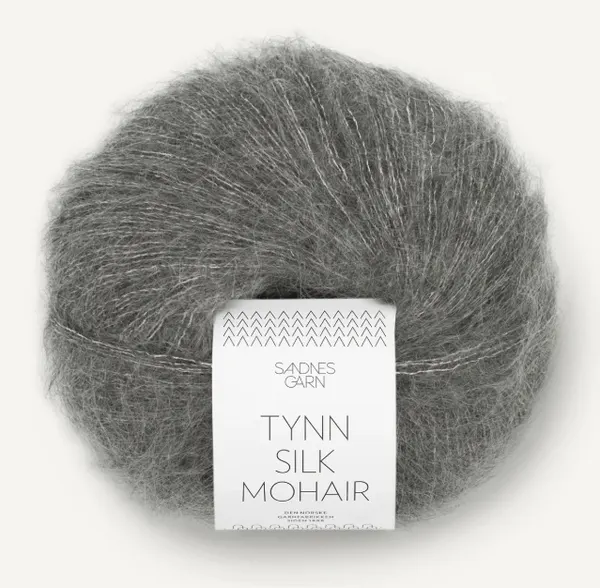
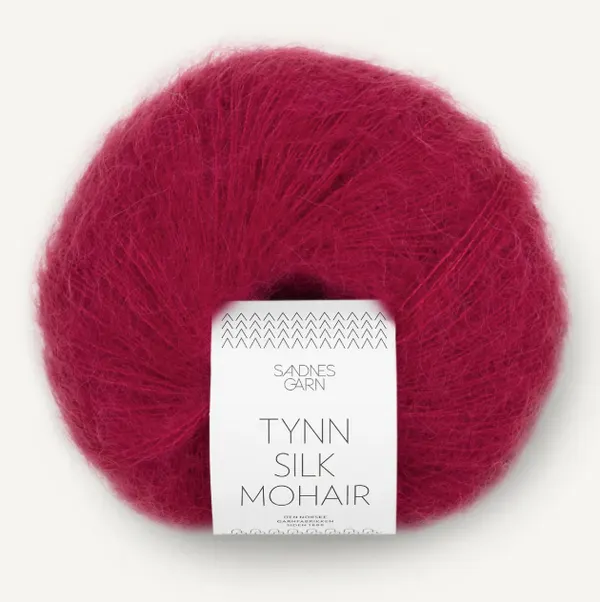
 +4
Knit Picks
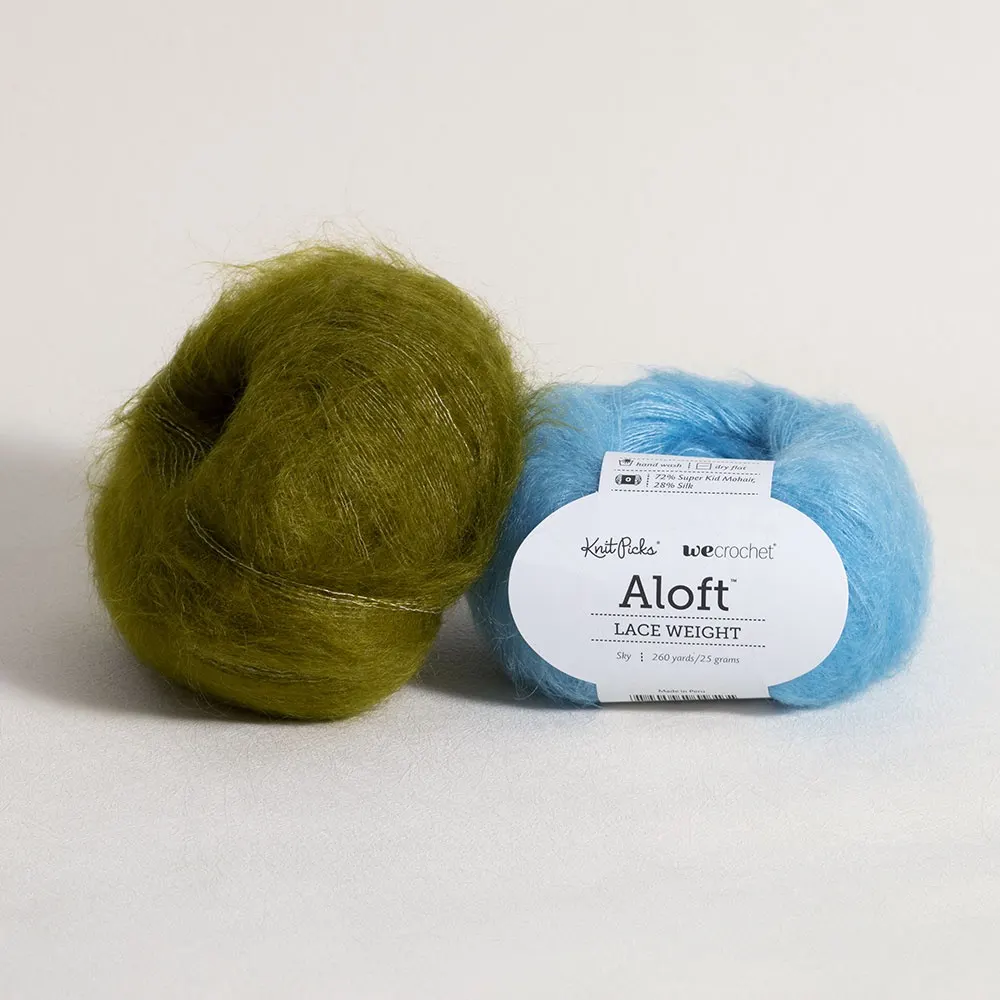
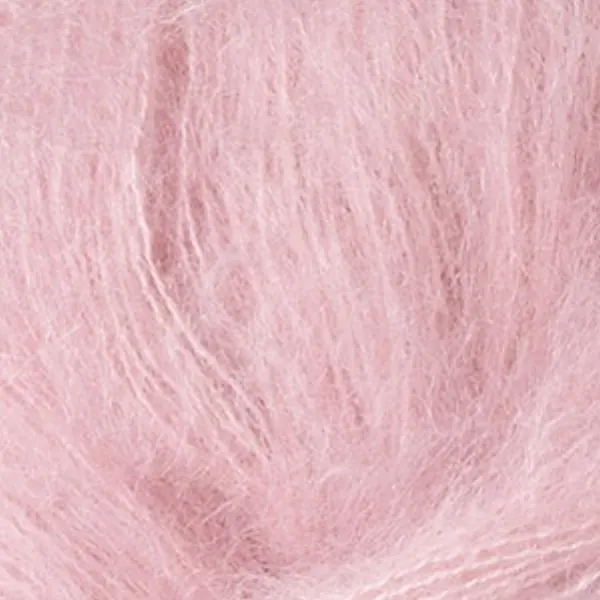
Aloft Super Kid Mohair
Lace · 260 yds / 25 g
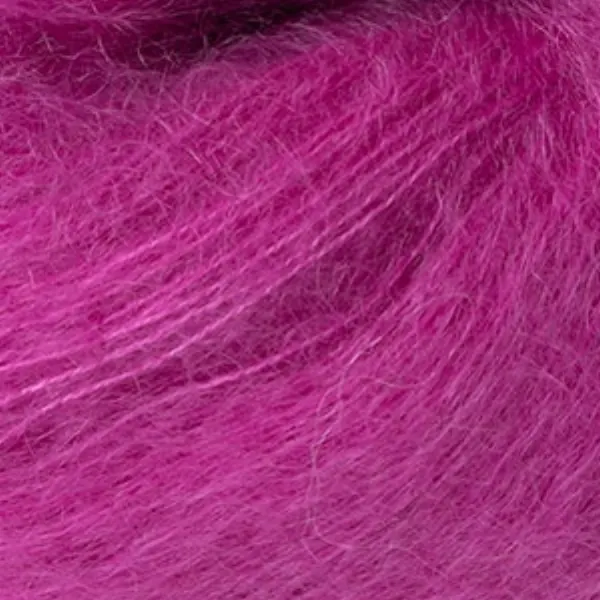
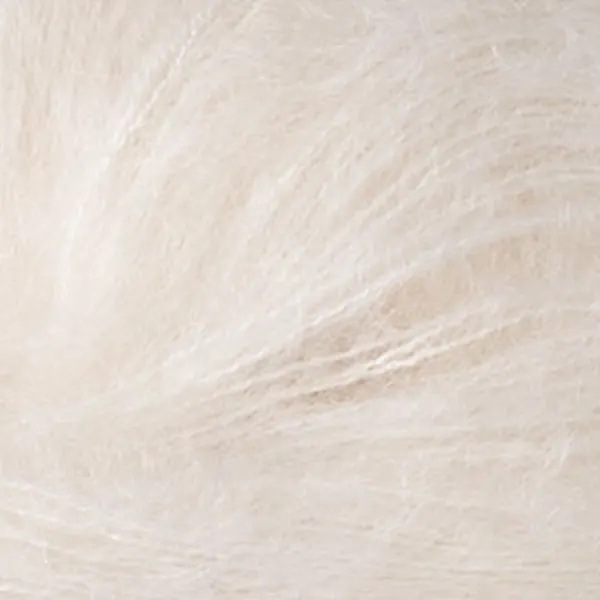
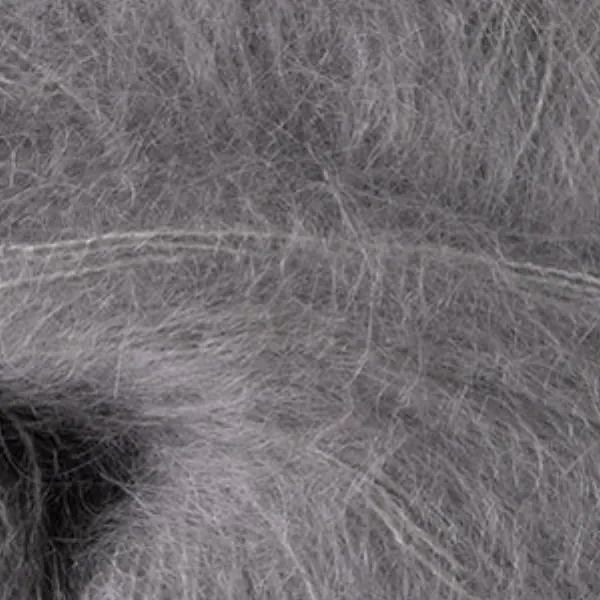
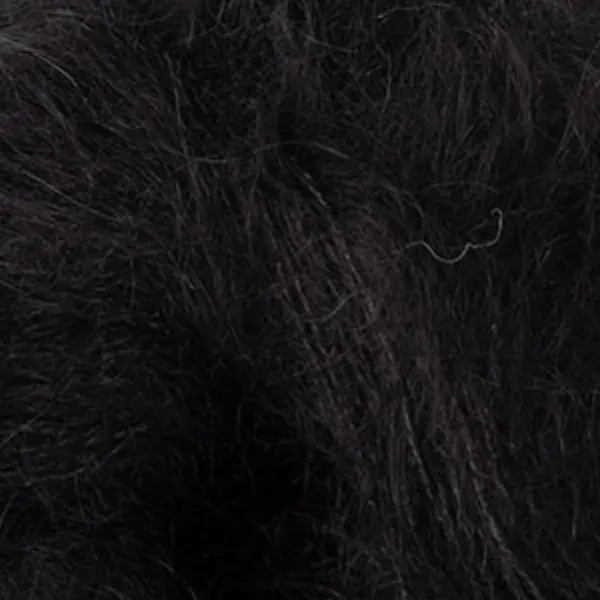 +4
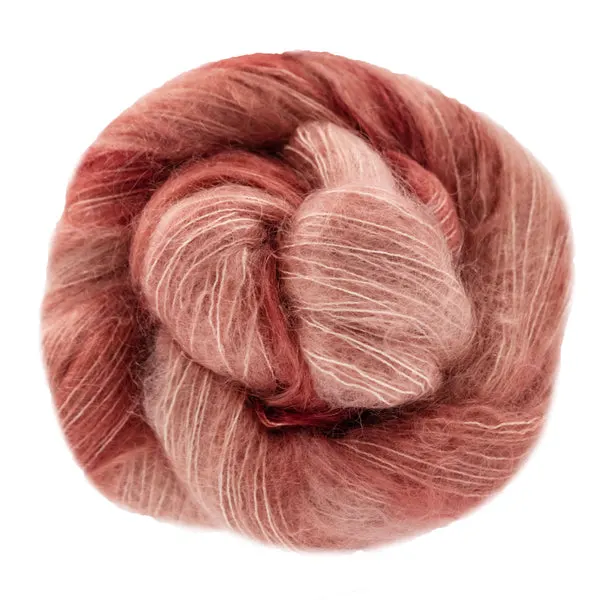
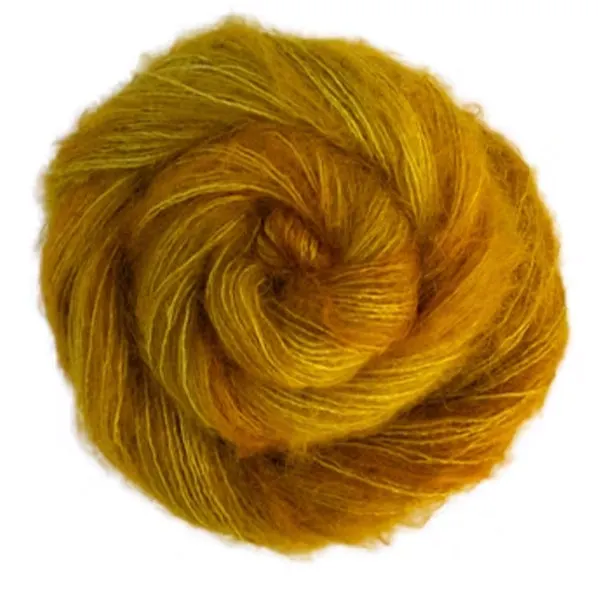
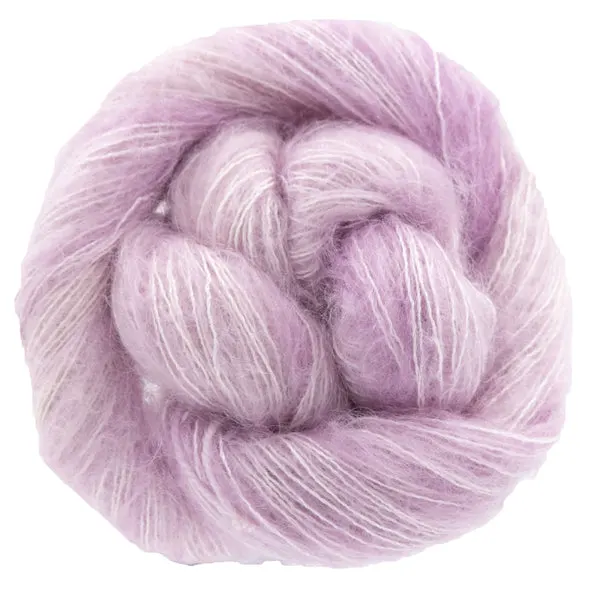
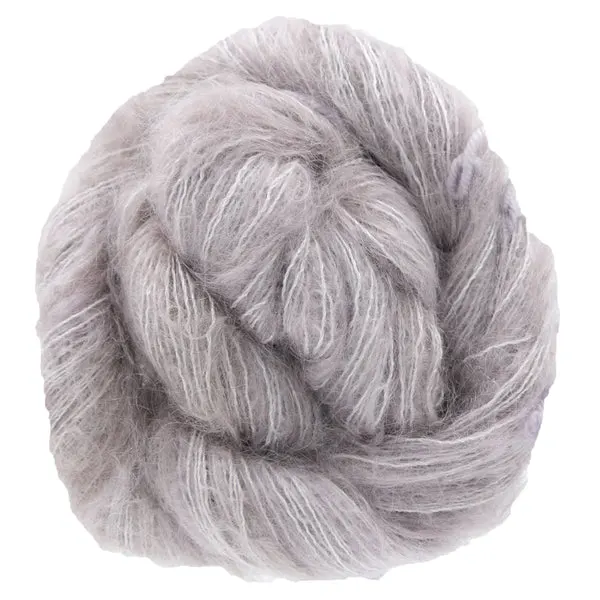
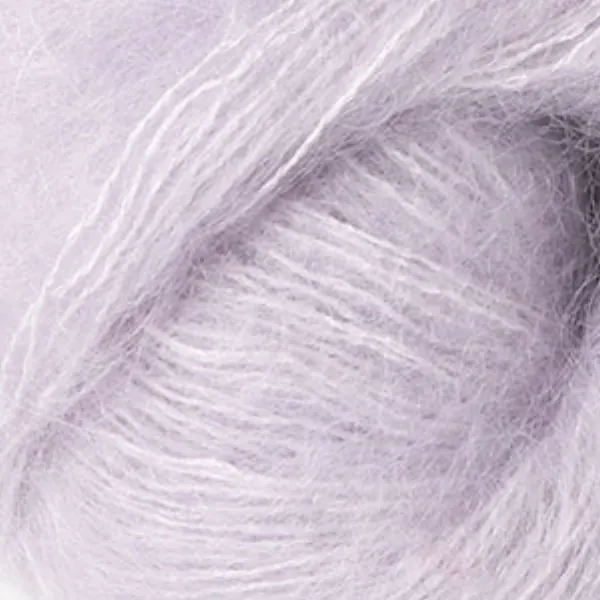
Four mohair-silk laceweights that knit up alike. Compare them on the Kidsilk Haze substitutes page.
Questions
Can I substitute a different yarn weight?
Only with care. Knitting a heavier yarn to a lighter pattern's gauge makes stiff fabric, and a lighter yarn knit loosely can look sparse. One weight up or down can work if you swatch and adjust the needle size; beyond that you're reworking the pattern.
Can I hold two strands together to make a heavier yarn?
Yes. As a rough guide, two strands of fingering knit up close to a DK, and two strands of DK close to an aran. Always swatch to check.
Will I need the same amount of a substitute yarn?
If you match the gauge, you'll need about the same total length. The number of balls changes with each yarn's length per ball, and fiber changes how much that length weighs.