Holiday making
Christmas Charity Knitting and Crochet: Plan a Donation
A useful charity gift begins with a request, not a spare bag of yarn. Before making a batch of hats, blankets or accessories for Christmas, ask the receiving organisation what it can accept and when it needs the items.
Some links in this guide are affiliate links. We earn a commission on purchases made through them, at no extra cost to you.
Confirm the current request before casting on
Demand, storage space and distribution plans change. Check the organisation’s own current guidance rather than relying on a social-media post from a previous winter. Ask about item types, sizes, materials, colours and delivery. If a local collection is closed, choose another approved route before spending weeks making for it.
Knit for Peace is one place UK makers can consult about its current work and enquiries. Use the organisation’s own instructions to establish what to send; this article does not announce a collection deadline or promise that a particular item is currently being accepted.
| Ask the organiser | Why it matters | Record in your project notes |
|---|---|---|
| Which items and sizes are needed? | A lovely item may not fit the current distribution | Written request or current page link |
| Which fibres and yarns are accepted? | Some projects have strict material requirements | Exact allowed yarn or fibre guidance |
| How should items be finished and packed? | Labels, washing and presentation can affect handling | Packing checklist |
| Where and when should they arrive? | The making deadline is earlier than the handover deadline | Confirmed destination and delivery plan |
Use the requested materials, even when your stash is tempting
Specialist programmes may require approved patterns and specific yarns. Knitted Knockers directs makers to its patterns and approved-yarn guidance. That is a reason to check the programme’s own requirements, not an invitation to improvise a substitute from an unrelated yarn recommendation.
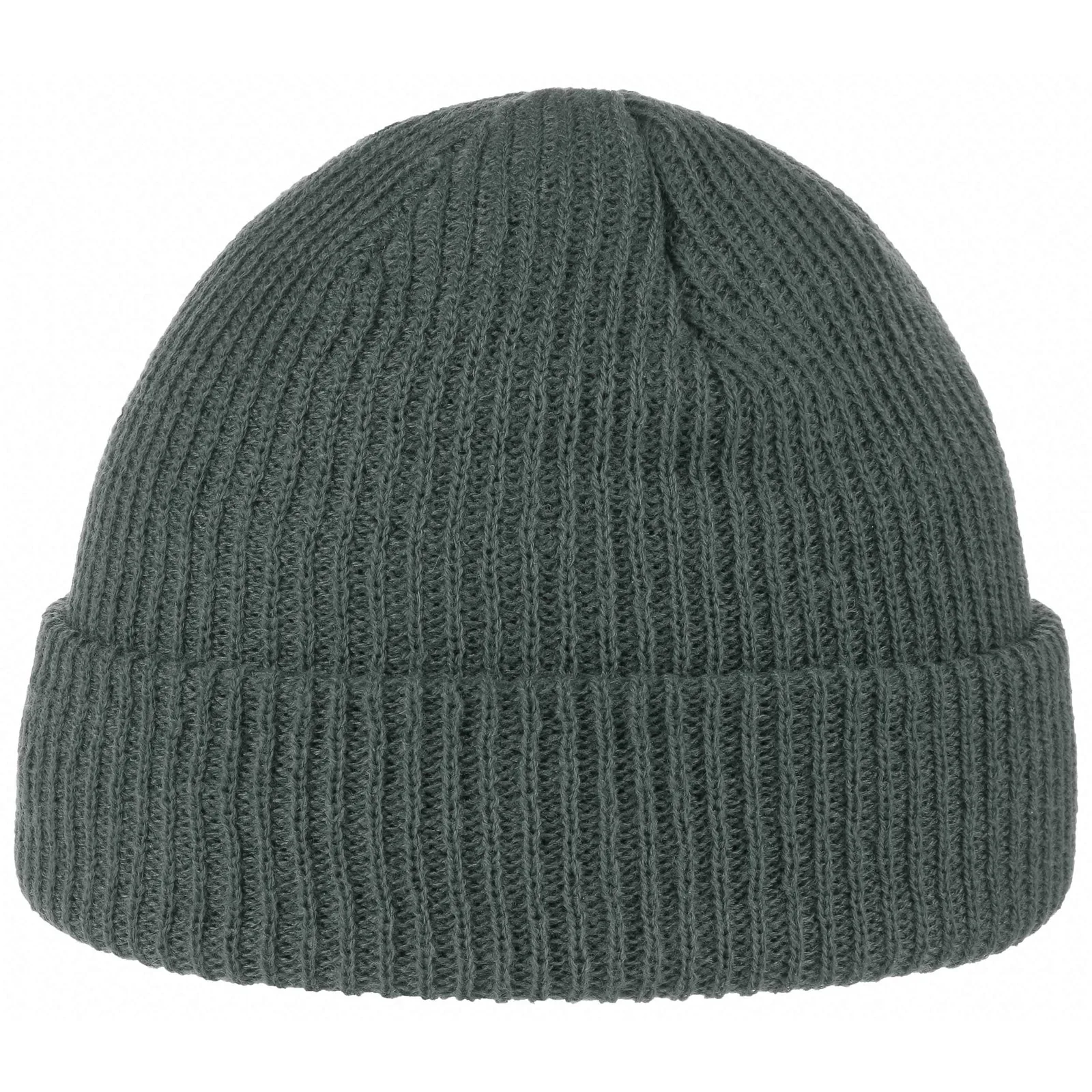
For a general hat or blanket request, follow the named pattern, sizing and fibre guidance from the receiving group. Do not assume that a yarn described as soft will meet a specialist programme’s requirements. A yarn substitution that seems reasonable for your own accessory can still be inappropriate for a specific donation scheme.
Make one complete sample before organising a batch
If the organiser needs repeated items, finish one sample and compare it with the requested measurements. Count the material used and estimate your own making time. If a sample requires 120 metres and the accepted yarn has 200 metres per ball, five identical items need 600 metres before any separate allowance: three balls cover that stated length.
- Record the approved yarn and pattern so every contributor uses the same reference.
- Keep a count of completed items by size rather than a total number alone.
- Inspect seams, ends and measurements before packing.
- Follow the receiving group’s washing, labelling and packaging instructions exactly.
Offer help that matches your available time
A small finished contribution is more useful than an ambitious promise that misses the collection. If you cannot meet the requested specifications or timetable, ask whether funds, approved supplies or another kind of support would help. Do not send unsolicited bags of materials unless the organisation confirms it has a use for them.
Keep the recipient’s dignity at the centre of the project. Choose the quality of materials and finishing you would want in a gift to someone you know. Share your process without assuming that photographs or personal stories of recipients are yours to publish.
Questions
Can I use any leftover yarn for charity knitting?
Only when it meets the receiving organisation’s current requirements. Some programmes accept a broad range; others require specific yarns and patterns. Confirm before making or posting.
What is the Christmas donation deadline?
There is no universal deadline. Ask the organisation handling your donation and account for your finishing time and the carrier’s current delivery guidance.