Holiday making
Care Labels for Handmade Yarn Gifts
A handmade gift should not leave the recipient guessing how to wash it. A short care card with the actual fibre content and tested instructions can be more useful than an elaborate tag that only says made with love.
Some links in this guide are affiliate links. We earn a commission on purchases made through them, at no extra cost to you.
Keep the information before the ball band disappears
Record the exact yarn name, fibre percentages and care instructions while you still have the label. Photograph the band and note any second yarn held with it or used for an edging. The main yarn’s washing instructions may not describe every material in the finished piece.
| Information | Why the recipient needs it | Example wording |
|---|---|---|
| Fibre content | Comfort, preferences and washing decisions | 100% wool; exact yarn name recorded separately |
| Care method | A clear action rather than a guess | Use the washing and drying method confirmed for this item |
| Finished-item details | Trims and mixed materials may change care | Remove the detachable decoration before washing |
| Maker contact or repair note | A way to ask before attempting a repair | Contact me if a seam or end needs attention |
Do not invent a machine-wash symbol from a word such as superwash. Copy the manufacturer’s instructions accurately, then consider whether the finished construction, contrast yarn, stuffing or embellishment needs a more cautious method. If there is a conflict, test and resolve it before writing a confident instruction.
Test the care routine on a representative sample
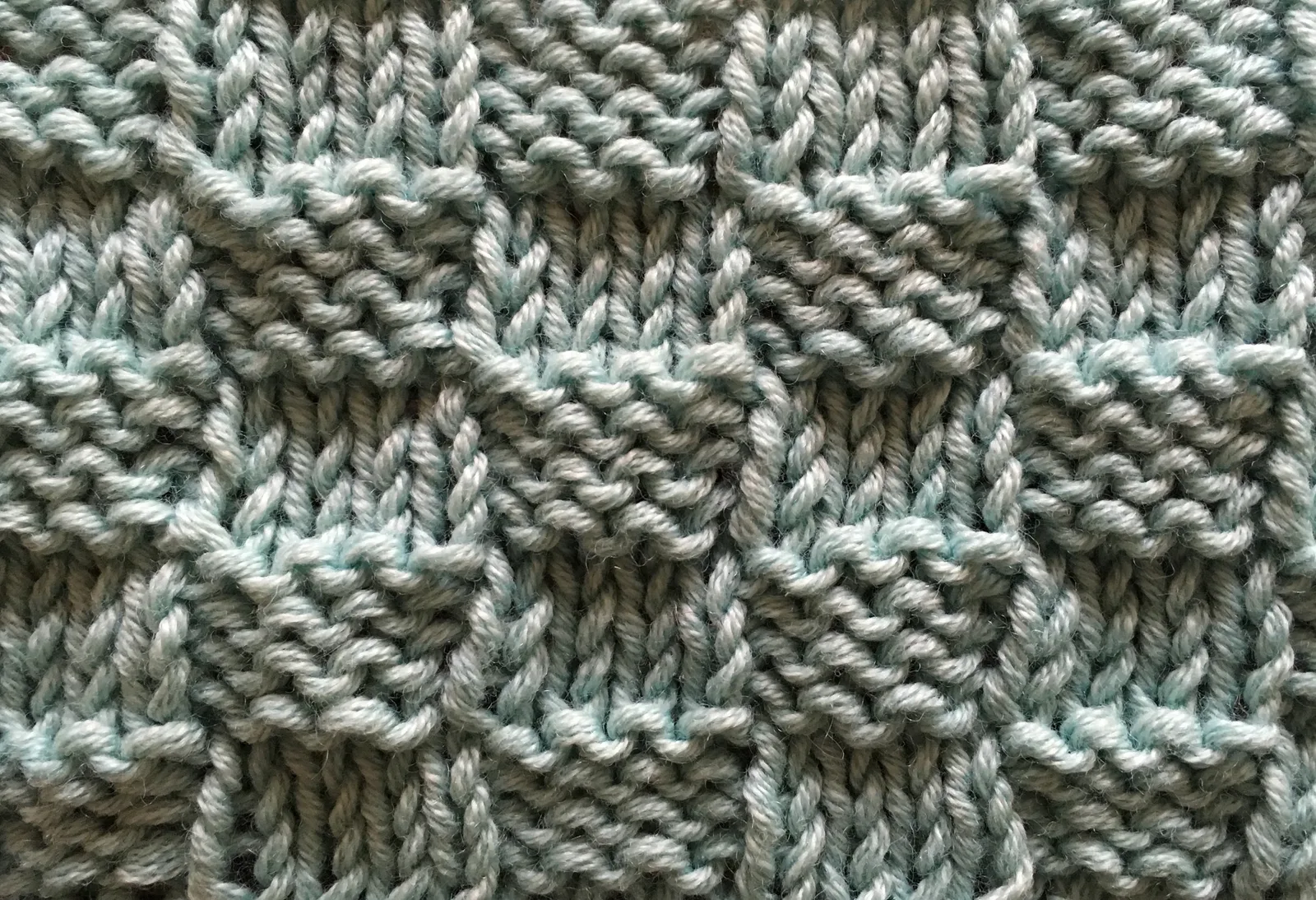
Use a sample containing the actual yarns and stitch pattern. Measure it before washing and after it has dried fully. Check the feel, shape and whether colours transfer. The aim is to understand the gift you are handing over, not to prove that every item made from the same fibre can tolerate the same routine.
The Craft Yarn Council care-symbol reference helps you read the symbols on a label. For the gift card, plain words are often clearer than tiny copied icons: say how to wash and dry the specific item, using instructions you have checked.
Use a care card that leaves room for the facts
For a mixed-yarn piece, add a second line listing the other materials. For an unidentified stash yarn, say that the fibre is unknown and explain the cautious care method you have actually tested. Do not label a gift as wool, cotton or hypoallergenic simply because that is what you think it feels like.
Add a repair note without creating a burden
If you are happy to help with repairs, include that offer clearly. A small amount of matching yarn can be useful, but package it separately so it does not tangle around the gift. Keep your own note of the pattern and finished measurements in case the recipient asks for a small adjustment later.
For a gift sent by post, wait until it is completely dry and use packaging that protects it without compressing delicate shapes unnecessarily. Put the care card somewhere visible, not loose at the bottom of the mailing bag. The recipient should discover the instructions before the first wash, not after it.
Questions
Can I just write hand wash on every gift?
It is better to give a complete instruction based on the actual materials and a care test, including drying. Hand washing alone does not explain temperature, handling or how to support the wet item.
What should I write if I lost the yarn label?
State what you know and do not guess the fibre or official care symbols. Test a representative sample and write down the conservative care method you actually used.