Yarn fibers
Cotton and Linen Yarn: A Guide to Summer Knitting
When it's too warm for wool, plant fibers take over. Cotton and linen are cool, breathable and tough, and they make the tees, tanks and market bags that wool can't. They also knit very differently, so a few adjustments make all the difference.

Some links in this guide are affiliate links. We earn a commission on purchases made through them, at no extra cost to you.
How plant fibers differ from wool
Cotton, linen and hemp are made of cellulose, not protein. They absorb moisture readily and let air through, so they feel cool on the skin. They're also strong, and unlike wool they're stronger wet than dry. What they don't have is crimp, and that changes almost everything about knitting with them.
- Cotton is the seed fiber of the cotton plant. It's soft from the first wash and takes color brightly. Pima and other long-staple cottons are smoother and pill less. Mercerized cotton has been treated to make it stronger and lustrous.
- Linen is spun from the stalks of the flax plant. It starts out crisp, even stiff, and softens dramatically with washing and wear. It has a cool, dry hand and a lovely drape.
- Hemp comes from the stalks of the hemp plant and behaves much like linen: hard-wearing, a little rough at first, softer with every wash.
Why no elasticity matters
Wool's spring hides a multitude of sins: uneven stitches settle, ribbing pulls in, and a sweater bounces back after you take it off. Plant fibers do none of that.
- Ribbing doesn't grip. Cotton ribbing lies flat rather than pulling in, so it won't hold a hem or cuff snug. Twisted rib or a smaller needle helps.
- Tension shows. Every looser or tighter stitch stays visible. Stockinette can show rowing out, where purl rows sit looser than knit rows and the fabric looks striped.
- Garments hang and grow. Cotton is heavy, so a long, loose top can lengthen under its own weight.
- It's harder on the hands. Without stretch, the yarn doesn't give as you work. Take breaks, and try needles with a little grip, like wood or bamboo.
Gauge tips for cotton and linen
- Swatch bigger than usual, at least 6 inches (15 cm) square. Plant fibers change more than wool when washed.
- Wash and dry the swatch the way you'll wash the garment, machine included. Linen in particular relaxes and softens.
- Hang it before measuring. Pin it to a board vertically for a few hours to see how much the fabric drops.
- Fix rowing out by purling with a needle one size smaller, or by wrapping your purls more snugly.
- Choose your fabric. Linen and linen blends are often knit a little looser than the label suggests, for an open, drapey fabric; cotton for a fitted piece is usually better a little firmer.
Blends that soften the rules
Blending a plant fiber with an animal fiber gives you some of both. Woolfolk Luft pairs merino with organic pima cotton, so it breathes like cotton and keeps its shape like wool. Rowan Softyak DK adds yak down to cotton, keeping cotton's crisp stitches but making them softer. Knit Picks Cursive is mostly alpaca with a little pima cotton, for something warmer with a cool hand.
What to make with cotton and linen
- Summer tees, tanks and camisoles, where breathability matters more than warmth.
- Drapey tops and wraps in linen, which only get better with wear.
- Dishcloths and washcloths: cotton is absorbent and survives hot washes.
- Market bags: linen and hemp are tough and don't stretch out of shape as quickly as cotton.
- Baby clothes and blankets for warm climates, in a soft, machine-washable cotton.
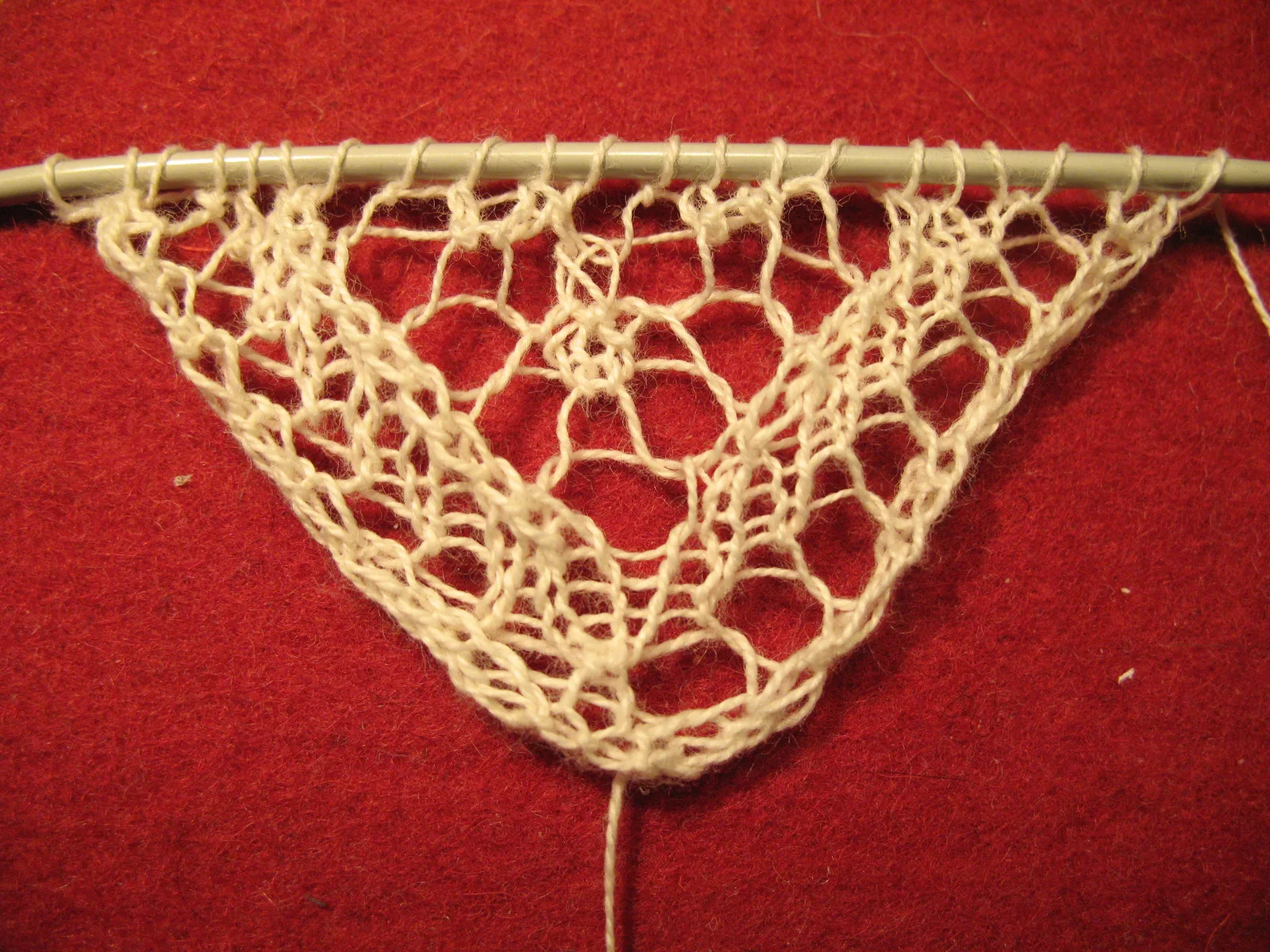
- Crisp lace and textured stitches, which plant fibers show off clearly.
Avoid them for fitted ribbed hems, heavy cabled pullovers and anything that needs to hug the body. Wool or merino will do those better; see our natural fiber guide for the alternatives.
Washing and care
Many pure cotton and linen yarns can be machine washed; follow the band. Machine washing and tumble drying can soften linen quickly, but it can also shrink cotton, so test on your swatch first. Blends with wool, cashmere or yak usually need gentler handling, so wash those by hand or on a cool wool cycle.
Browse every cotton and linen yarn in the shop, or read how to substitute yarn if your pattern calls for something else.
Questions
Can I use cotton instead of wool in a pattern?
Only for designs that don't rely on stretch. Cotton is heavier and has no spring, so ribbing won't pull in and fitted shapes can sag. Choose a pattern written for cotton or linen, or a cotton-wool blend, and swatch carefully.
Why does my linen yarn feel so stiff?
Linen softens with washing. A swatch or finished piece that feels like string on the needles usually relaxes into a soft, drapey fabric after a few washes. Many knitters machine wash linen for exactly that reason.
Is cotton or linen better for summer tops?
Both breathe well. Cotton is softer from the start and more opaque; linen is drier, drapier and cooler, and gets softer over time. A cotton-linen blend gives you some of each.