Yarn fibers
Natural Fiber Yarn Guide: Wool, Alpaca, Silk, Cotton & More
Two yarns of the same weight can knit up into completely different fabric, and the fiber is usually why. Wool bounces back, alpaca drapes, cotton stays cool and silk shines. Here's how the natural fibers compare, and which one to reach for when.
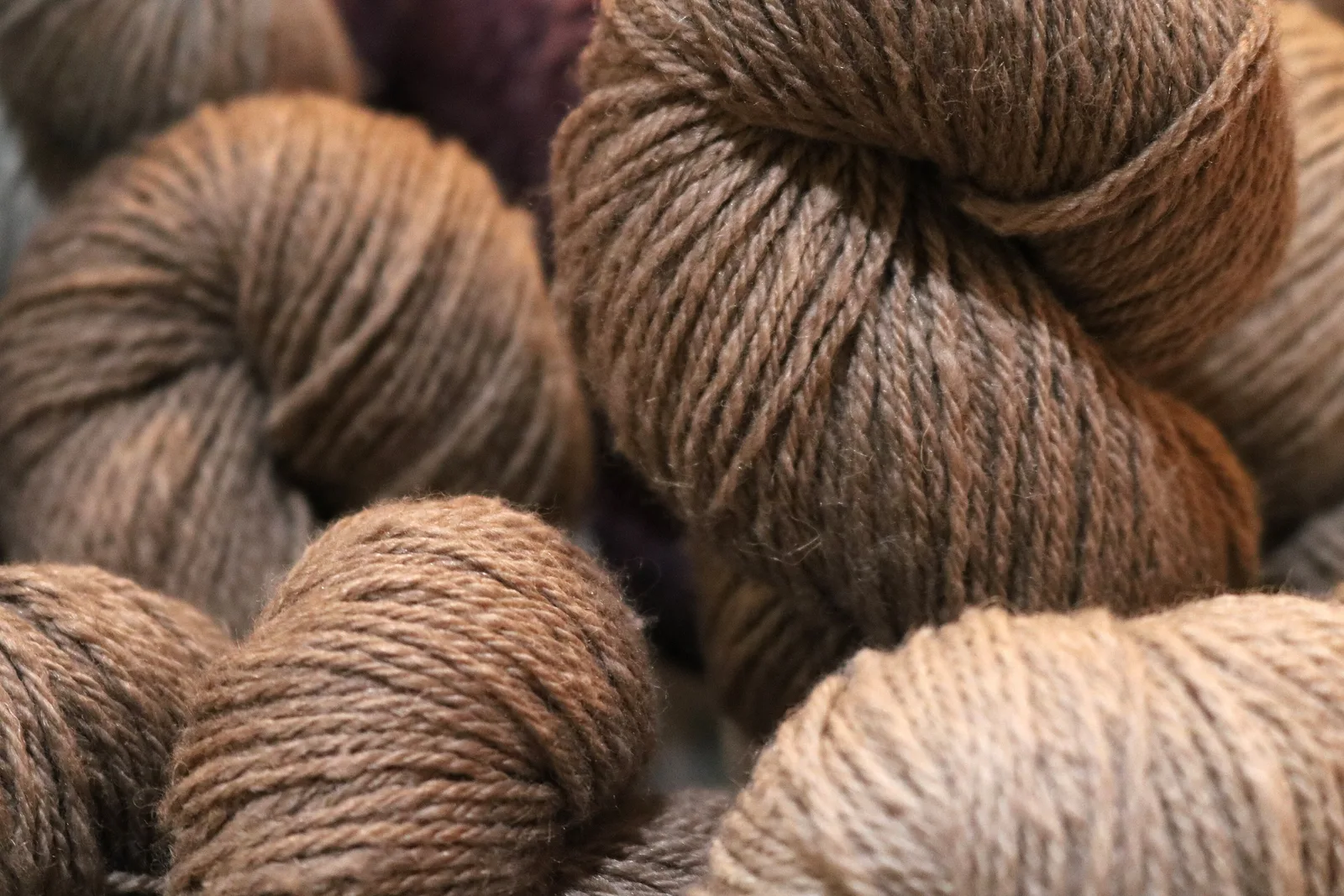
Some links in this guide are affiliate links. We earn a commission on purchases made through them, at no extra cost to you.
Animal fibers and plant fibers
Natural yarns fall into two families. Animal fibers (wool, alpaca, mohair, cashmere, yak and silk) are proteins. They trap air, handle moisture well and keep you warm. Plant fibers (cotton, linen and hemp) are cellulose. They're cool, absorbent and strong, but they have almost no stretch.
That one difference explains most of what you'll notice on the needles. Protein fibers, wool above all, have a natural spring that evens out your stitches and hugs the body. Plant fibers show every change in tension and hang straight down.
| Fiber | Warmth | Drape | Elasticity | Care | Best for |
|---|---|---|---|---|---|
| Wool | High | Moderate | High | Hand wash; felts unless superwash | Sweaters, hats, cables, colorwork |
| Merino | High | Soft, moderate | High | Hand wash, or machine if superwash | Next-to-skin layers, baby clothes, socks |
| Alpaca | Very high | High | Low | Hand wash cool, dry flat | Cowls, scarves, relaxed sweaters |
| Mohair | High for its weight | Airy | Moderate | Hand wash; hard to rip back | Halo, holding double, lace |
| Cashmere | High | Soft | Moderate | Hand wash; prone to pilling | Hats, cowls, gloves |
| Yak | High | Soft | Moderate | Hand wash | Warm accessories, blends |
| Silk | Low on its own | Very high | Very low | Hand wash; weaker when wet | Shawls, drapey tops, blends |
| Cotton | Low | High, heavy | None | Often machine washable | Summer tops, dishcloths, baby wear |
| Linen | Low | Very high once washed | None | Often machine washable; softens | Summer tops, wraps, market bags |
| Hemp | Low | High | None | Often machine washable; softens | Market bags, dishcloths, summer wear |
Wool and merino: the all-rounders
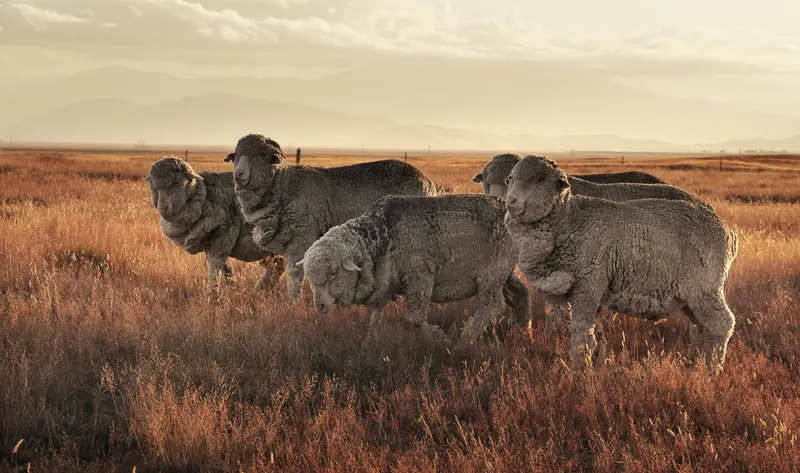
Sheep's wool is crimped, so each fiber acts like a tiny spring. That's why wool ribbing snaps back, cables stand up and small tension wobbles disappear after blocking. Wool stays warm when damp and is naturally slow to hold odors. Its one big catch: heat, water and agitation together make it felt, unless it has been treated as superwash.
Merino is a breed, prized for its fine fiber, typically under 24 microns. The prickle some people feel from wool comes from coarser fiber ends pressing on the skin, so a finer fiber feels softer. Rustic breeds such as Shetland are coarser but grippier, which is exactly what stranded colorwork wants. Jamieson's of Shetland Spindrift is the classic Fair Isle yarn for that reason.
Alpaca, mohair, cashmere and yak
These are the specialty animal fibers, and each brings something wool doesn't.
- Alpaca comes from a South American relative of the llama. It's warmer and drapier than wool and has very little lanolin, but it lacks wool's memory, so heavy pieces can stretch. Read our comparison of merino vs alpaca.
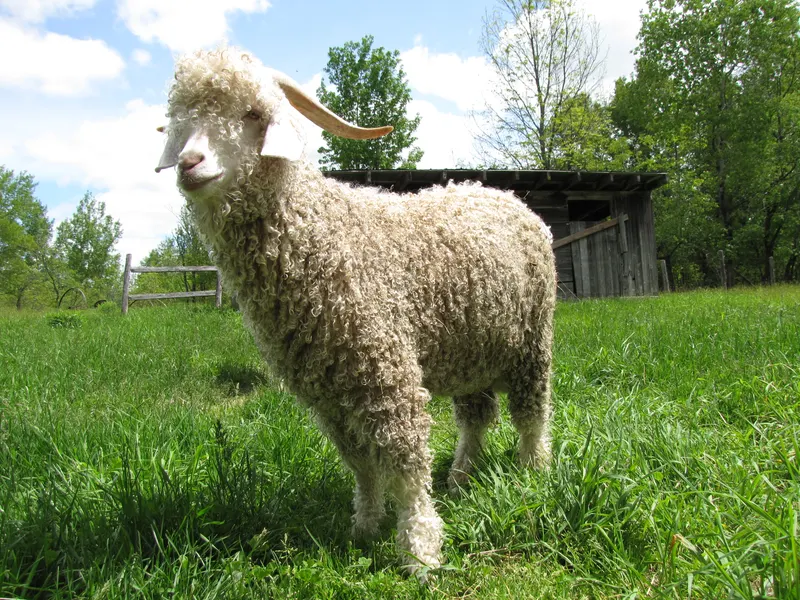
- Mohair is the hair of the Angora goat (angora yarn comes from a rabbit). It has a natural luster and, brushed, a soft halo. Our mohair guide covers kid mohair and holding it double.
- Cashmere is the fine downy undercoat of cashmere goats. US labeling rules require it to average no more than 19 microns, which is why it feels so soft.
- Yak down, combed from the undercoat of yaks on the high plateaus of Central Asia, is about as fine as cashmere. In knitting yarn it usually turns up in blends.
Silk
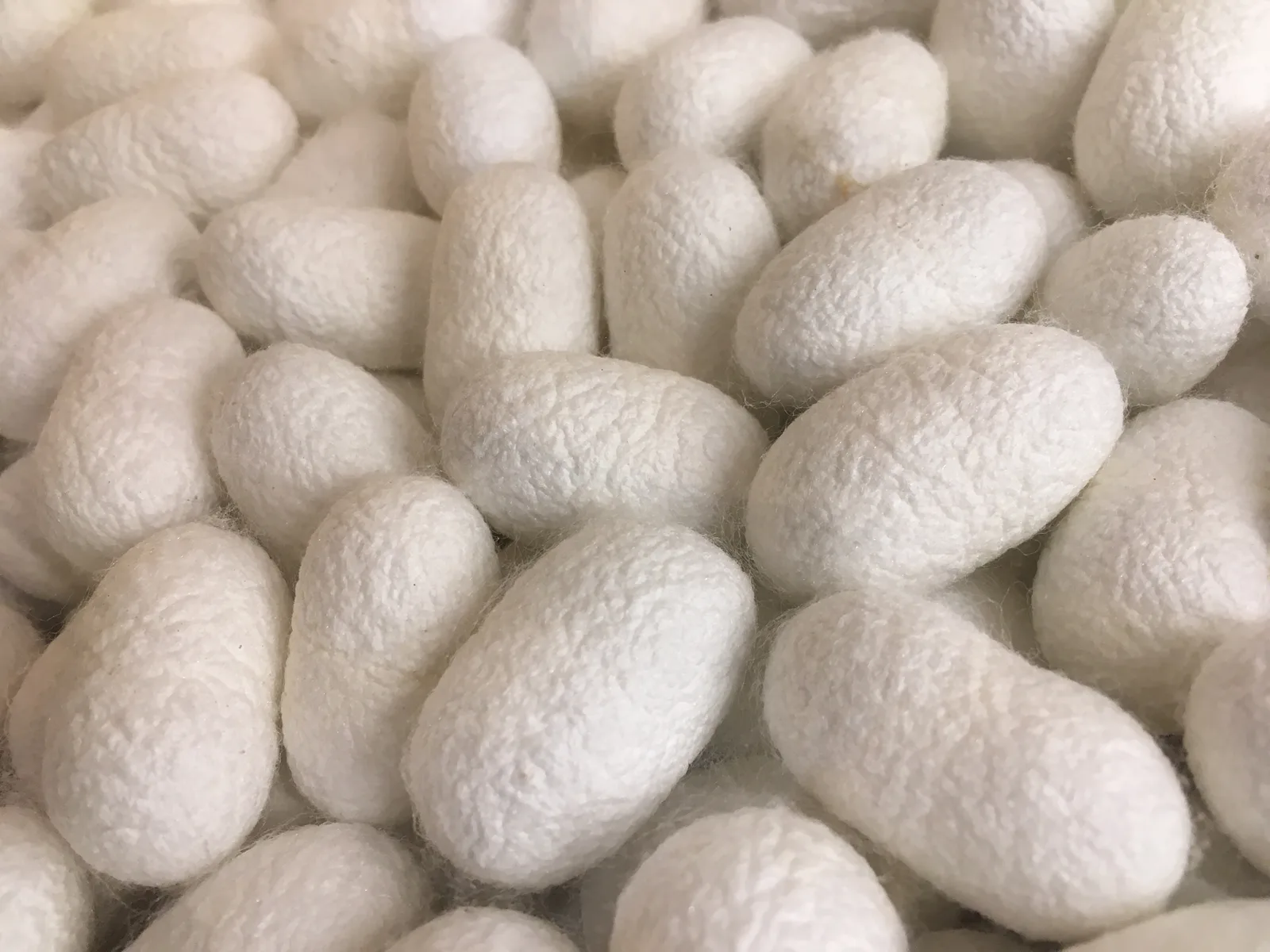
Silk is a protein too, but it behaves nothing like wool. It's smooth, lustrous, strong for its weight and heavy, with almost no spring. On its own it makes fluid shawls; blended into wool it adds sheen and strength. A pure silk such as Knit Picks Luminance blocks into lace with a glow no wool can match. More in our guide to silk and cashmere yarn.
Cotton, linen and hemp: the summer fibers
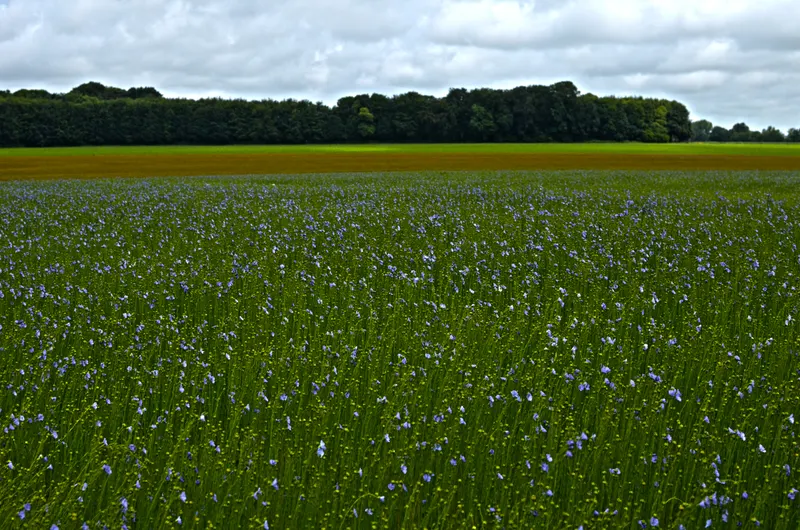
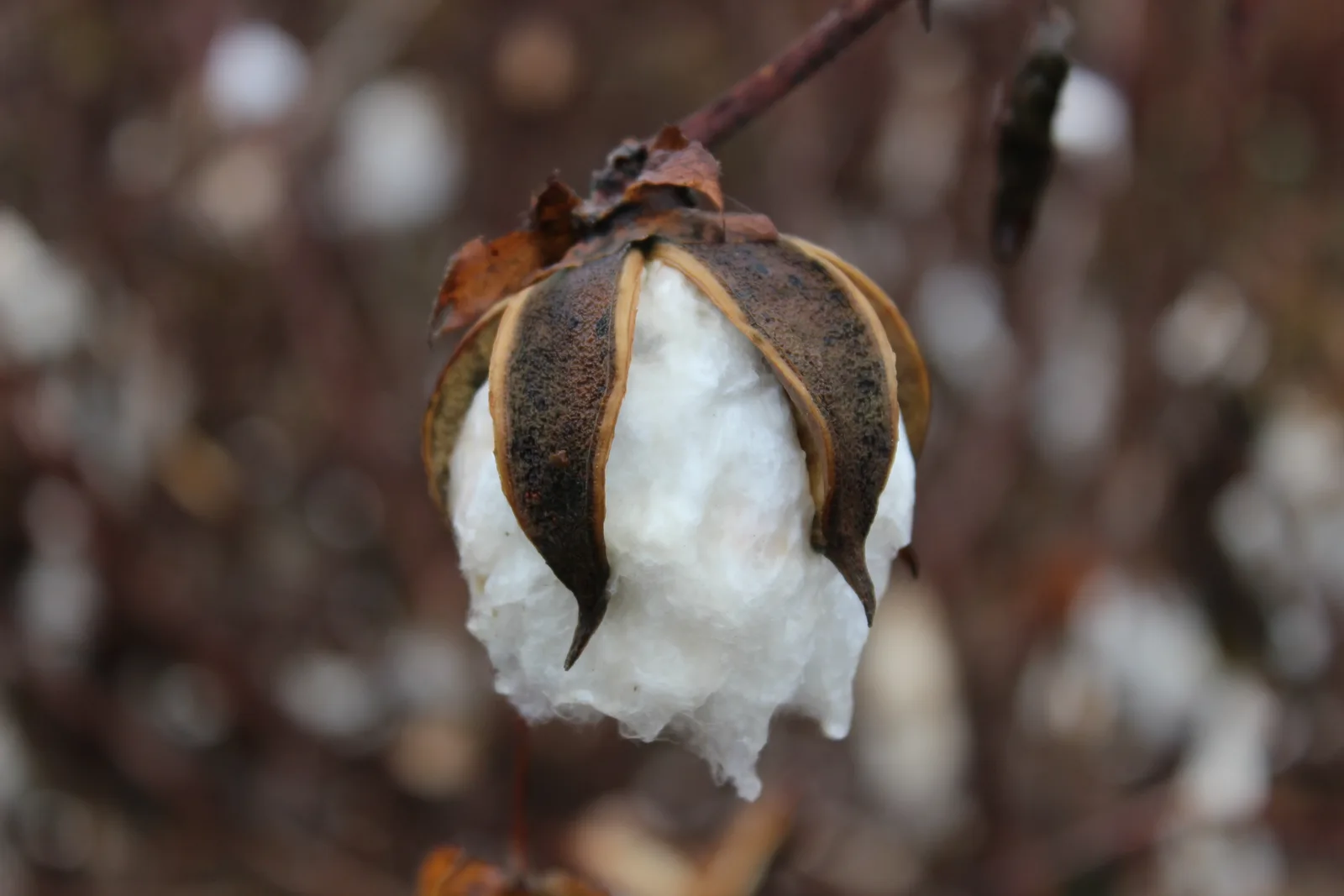
Plant fibers pull moisture away from the skin and let air through, which makes them the fibers for warm weather. Cotton is soft from the start and takes color brightly. Linen, from the flax plant, starts stiff and softens with every wash. Hemp is similar to linen and just as hard-wearing. None of them stretch, so ribbing won't grip and garments hang rather than hug. Our guide to cotton and linen yarn explains how to knit with them.
Blends: why most yarns mix fibers
A blend borrows strengths. Wool gives alpaca the memory it lacks, as in Rowan Alpaca Soft DK. Nylon adds the abrasion resistance sock yarns need. Silk brings luster to merino, and a little cashmere softens cotton. When you substitute one yarn for another, the fiber mix matters as much as the weight; see how to substitute yarn.
Which fiber should you choose?
- Fitted sweaters, ribbing and cables: wool or merino. Nothing else holds its shape as well.
- Stranded colorwork: a grippy, woolen-spun wool such as Shetland.
- Cowls and scarves worn against the neck: fine merino, baby alpaca, cashmere or yak.
- Lace shawls: silk, alpaca or mohair-silk for drape and bloom.
- Summer tops: cotton, linen, hemp or a blend.
- Dishcloths and market bags: cotton, linen or hemp, which are absorbent and tough.
- Gifts that go in the washing machine: superwash merino or cotton.
Browse the shop by fiber: wool, merino, alpaca, mohair, cashmere, silk and cotton and linen.
Questions
What is the warmest natural yarn fiber?
Alpaca, cashmere and yak are generally considered warmer than wool for their weight, and mohair is very warm for how little it weighs. How a yarn is spun and knit matters too: a lofty, airy fabric traps more warm air than a dense one.
Which natural fiber is least itchy?
Fineness matters more than species. Fine merino, baby alpaca, cashmere and yak down all feel soft against the skin, while coarse wool of any breed can prickle. Silk and cotton don't prickle at all.
Which fibers can go in the washing machine?
Superwash wool and most cotton, linen and hemp yarns can, on the settings the band gives. Untreated wool, alpaca, mohair and cashmere will felt with heat and agitation, so hand wash them in cool water.