Holiday making
Crochet Christmas Ornaments: Yarn and Colour Planning
A set of crochet ornaments looks intentional when the pieces share a colour palette, scale and hanging finish. Start with one finished sample, then repeat the details that make the group belong together.
Some links in this guide are affiliate links. We earn a commission on purchases made through them, at no extra cost to you.
Choose a shape before choosing the whole palette
Stars, small circles, miniature stockings and simple flat trees all create different kinds of ornament. Choose a complete pattern with a clear finished size and the stitches you already know. This guide helps you plan a set; it is not a tested ornament pattern or a substitute for the shaping instructions in one.
| Design choice | Why it changes the result | What to test |
|---|---|---|
| Flat motif | Shows its outline and may curl | Whether blocking produces the shape you want |
| Two layers joined together | Gives the ornament more body | How the seam changes its thickness |
| Lightly stuffed shape | Adds depth and hides the reverse side | Whether stitches hold the stuffing securely |
| Beaded or embellished motif | Adds weight to a small project | Whether the hanging point supports it |
For a first set, choose one or two shapes rather than six different patterns. Make the same shape in several colours, or use a single accent colour across a few related shapes. The repeated detail creates the collection; every ornament does not need a separate idea.
Choose yarn that shows the edge
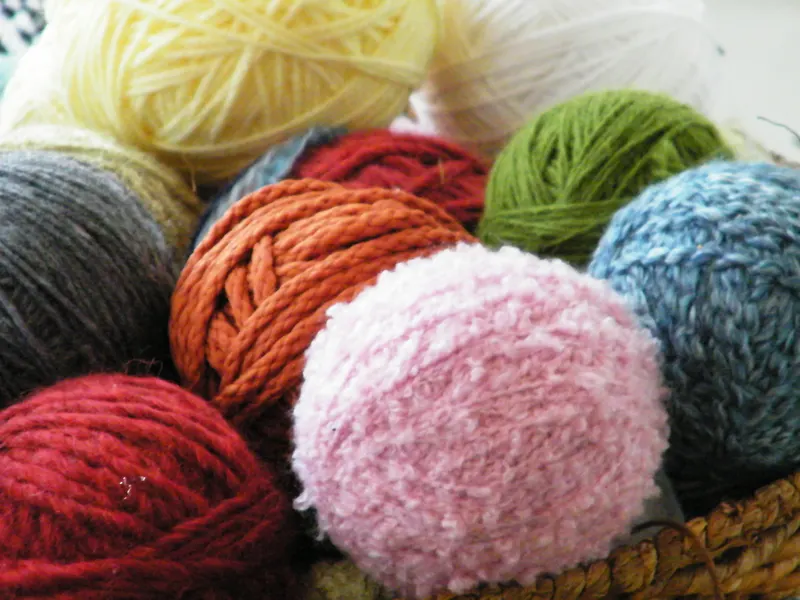
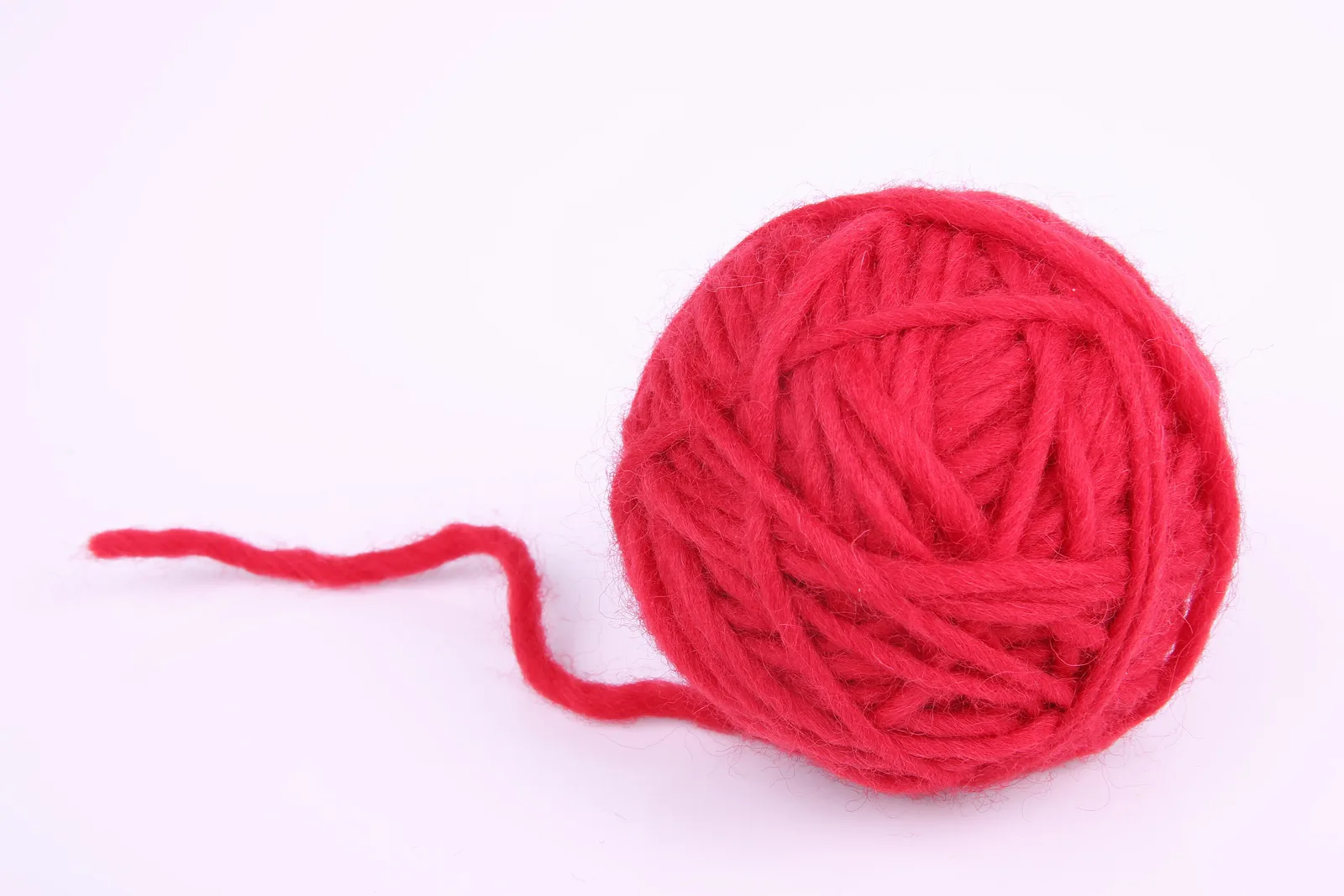
Smooth cotton or wool can show the outline clearly, while brushed yarn gives a softer silhouette and makes small stitches harder to inspect. Follow your pattern’s yarn recommendation first. If you substitute a UK chunky yarn for a US bulky example, check its actual thickness and work a sample rather than treating the names as a guarantee.
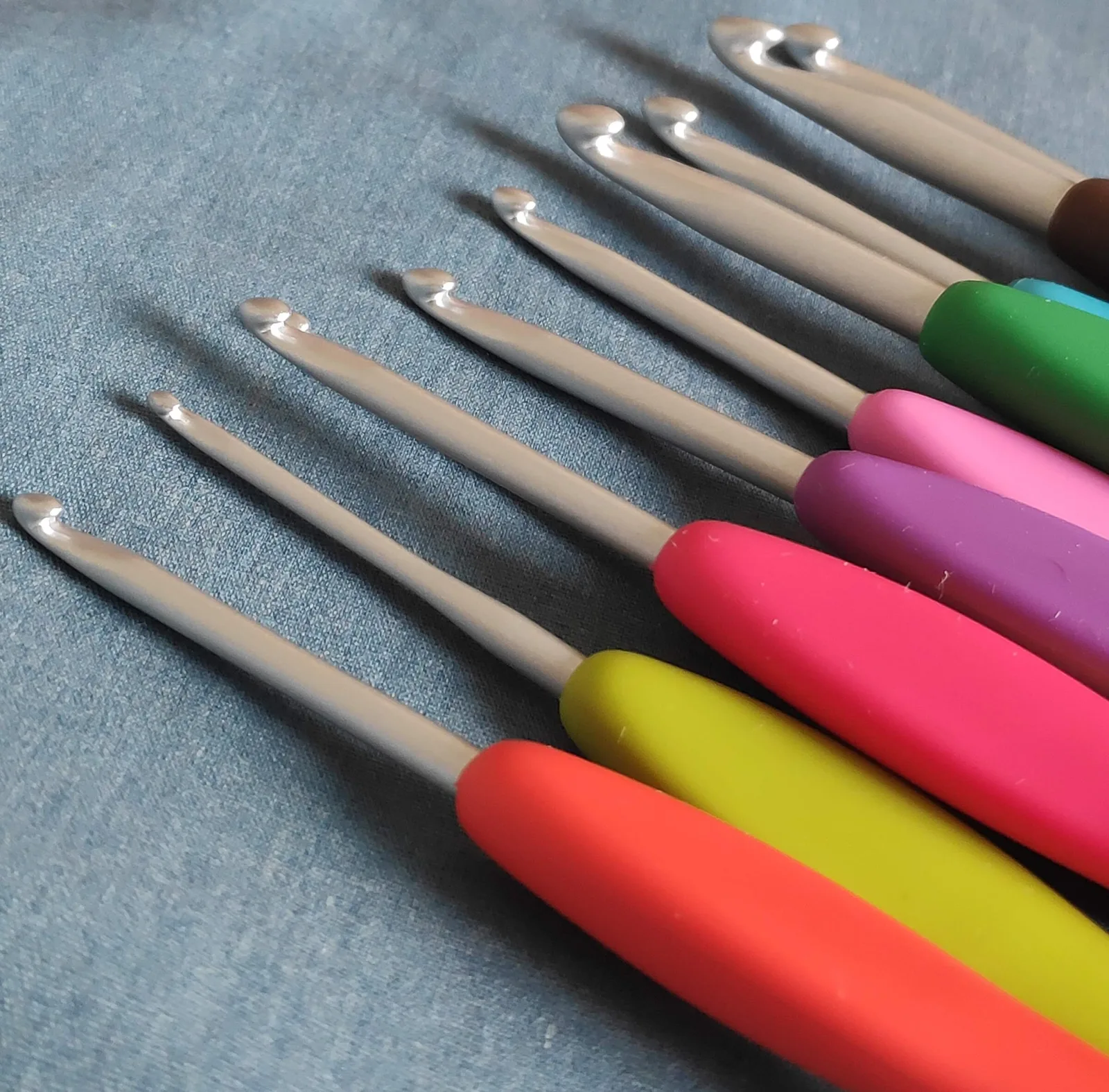
Check the stitch convention before starting. A US single crochet is a UK double crochet. Changing the name without translating the instruction can change the height and shape of the ornament. Our UK and US crochet terms converter is useful when moving between patterns.
Measure yarn from one completed ornament
Weigh your yarn before and after making a complete sample, including its loop and the ends you leave for finishing. If the sample uses 4 grams, a set of twelve uses approximately 48 grams at that same size. Allow separately for sampling, knots and differences between pieces. A tiny kitchen-scale reading can be imprecise, so weigh several samples together if the change is too small to read reliably.
- Keep one finished sample as the reference for size.
- Measure hanging loops against the same ruler or card.
- Check both sides and weave in contrasting ends before joining layers.
- Pack finished decorations flat or with light support so they do not arrive crushed.
Finish the hanging point for the actual decoration
Attach the loop to a structurally sound part of the motif and test it with the ornament’s own weight. Small decorative pieces, loose loops and detachable embellishments are not toys; keep the set intended for display. Add a short care note so the recipient knows whether to spot clean or wash it.
Questions
Can I make ornaments from different yarn weights?
Yes, but expect different sizes and outlines. Make one sample from each yarn and group pieces by scale rather than assuming one hook size will equalise them.
Do crochet ornaments need stiffener?
Not every design does. Test the unstiffened motif first and follow a suitable pattern or product’s instructions if you choose a stiffening treatment.