Holiday making
Stash-Busting Holiday Garlands: Plan Colours and Length
A stash-busting garland works best when it looks planned, even if the yarn came from five different project bags. Choose a repeated element and a limited colour sequence before making enough pieces to fill the whole room.
Some links in this guide are affiliate links. We earn a commission on purchases made through them, at no extra cost to you.
Sort leftovers by behaviour as well as colour
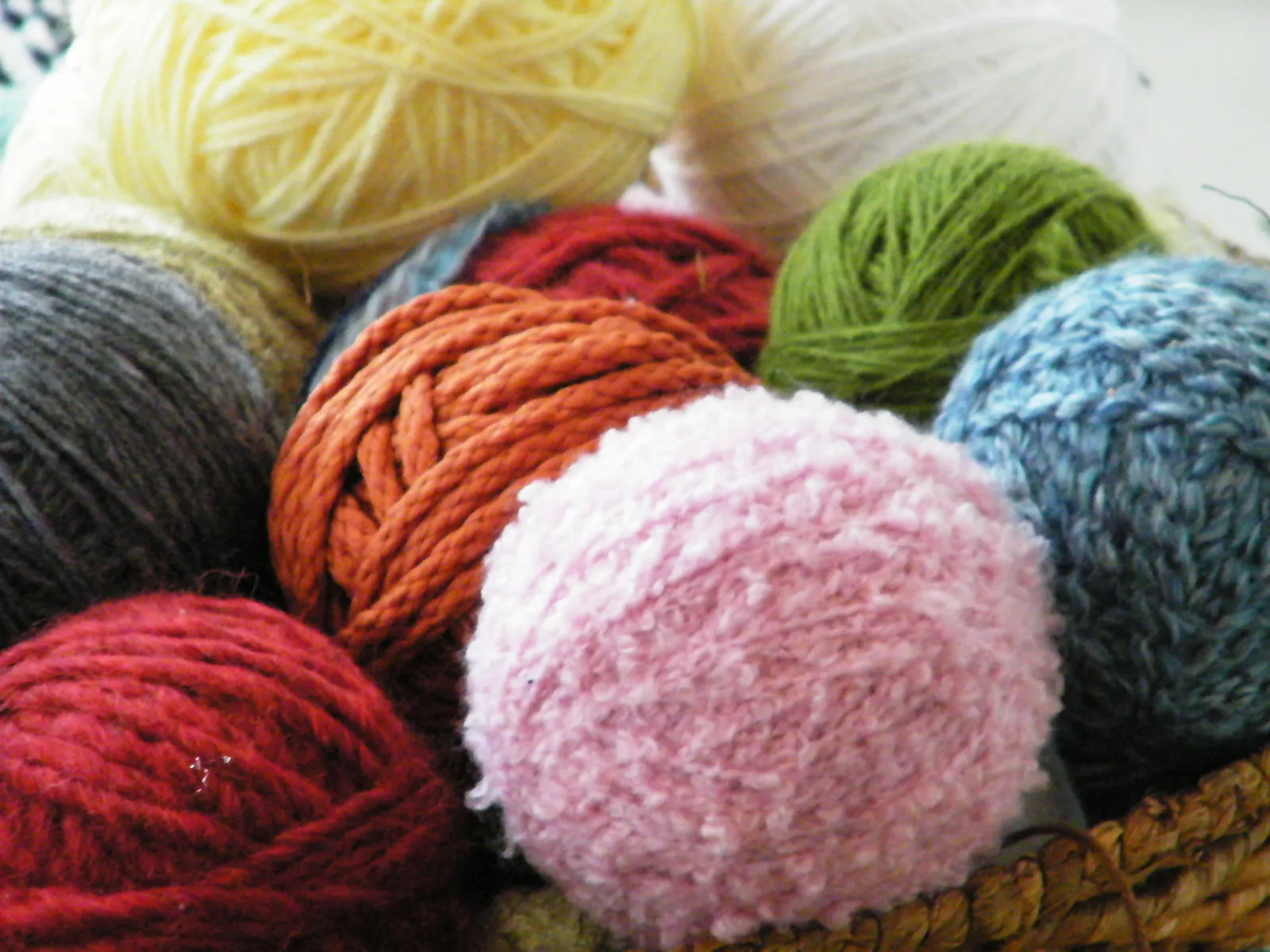
Put similar yarn thicknesses together, then separate fibres with different care needs. A small wool motif and a heavy cotton tassel may hang differently even when they are the same height. Mixed yarn can be useful for a deliberate sampler, but it should not be expected to wash, stretch or drape like a single yarn base.
If a ball has lost its label, keep it in a group marked unknown instead of guessing the fibre from touch. Reserve those leftovers for decorations you can care for conservatively, and describe them honestly if you give the garland away. Check the yarn weight calculator when you have measurable length and weight data.
| Garland style | What to standardise | Where the leftovers can vary |
|---|---|---|
| Pom-pom strand | Finished diameter and attachment method | Colours and contrasting flecks |
| Flat crochet motifs | Finished height and loop position | A controlled sequence of shades |
| Tassel strand | Wrap length and tie position | Accent wraps and colour blocks |
| Small knitted shapes | Washed dimensions and joining finish | Stripes within the same yarn thickness |
Measure the space before counting motifs
Decide how much of the available length is usable display space and how much must be left at the ends. For example, twelve motifs with their centres 10 centimetres apart span 110 centimetres from the first centre to the last, because there are eleven gaps. Add half a motif at each end if you need the full outside width, then add the separate end ties you plan to use.
That centre-spacing calculation is a layout example, not an instruction to fit every doorway or mantel. Check the real location and decide whether a straight line or a gentle drape is appropriate. Yarn stretches under load, so test a short assembled section before finalising the support cord.
Let one sample set the quantities
- Make one complete motif, pom-pom or tassel and weigh the yarn used.
- Decide on the number of repeated pieces and calculate each colour separately.
- Reserve enough material for the support and attachment points.
- Lay the whole colour order on a table before joining it.
Our free pom-pom wreath pattern is another way to use a coordinated group of leftovers. It gives you a separate project option if the pieces look better clustered than spread along a line. Use its actual instructions rather than assuming a wreath and garland need identical quantities.
Attach and store it as a decoration
Use supports that suit the surface and the weight of the finished garland. Keep long loops and hanging cords out of children’s reach and away from flames. For storage, wrap the strand around a wide piece of card without crushing the pieces, and put the care information with it so you can use it again next year.
Questions
Can I combine DK and chunky leftovers?
You can, but make samples and decide whether the size difference is part of the design. Similar-looking balls are not evidence of similar yarn thickness.
Why is my garland sagging more than expected?
The support, yarn stretch, piece weights and attachment spacing all affect the drape. Test the assembled section in its intended position before adding more pieces.