Tools & techniques
How to Block Knitting and Crochet: Wet, Steam & Spray
Blocking is the last step between a finished piece and a finished-looking one. Water or steam relaxes the fibers, you set the shape you want, and the fabric dries that way: lace opens up, uneven stitches settle, and edges lie flat. Here's how to do it for each fiber, and what you can and can't fix.
Some links in this guide are affiliate links. We earn a commission on purchases made through them, at no extra cost to you.
What blocking does, and what it can't
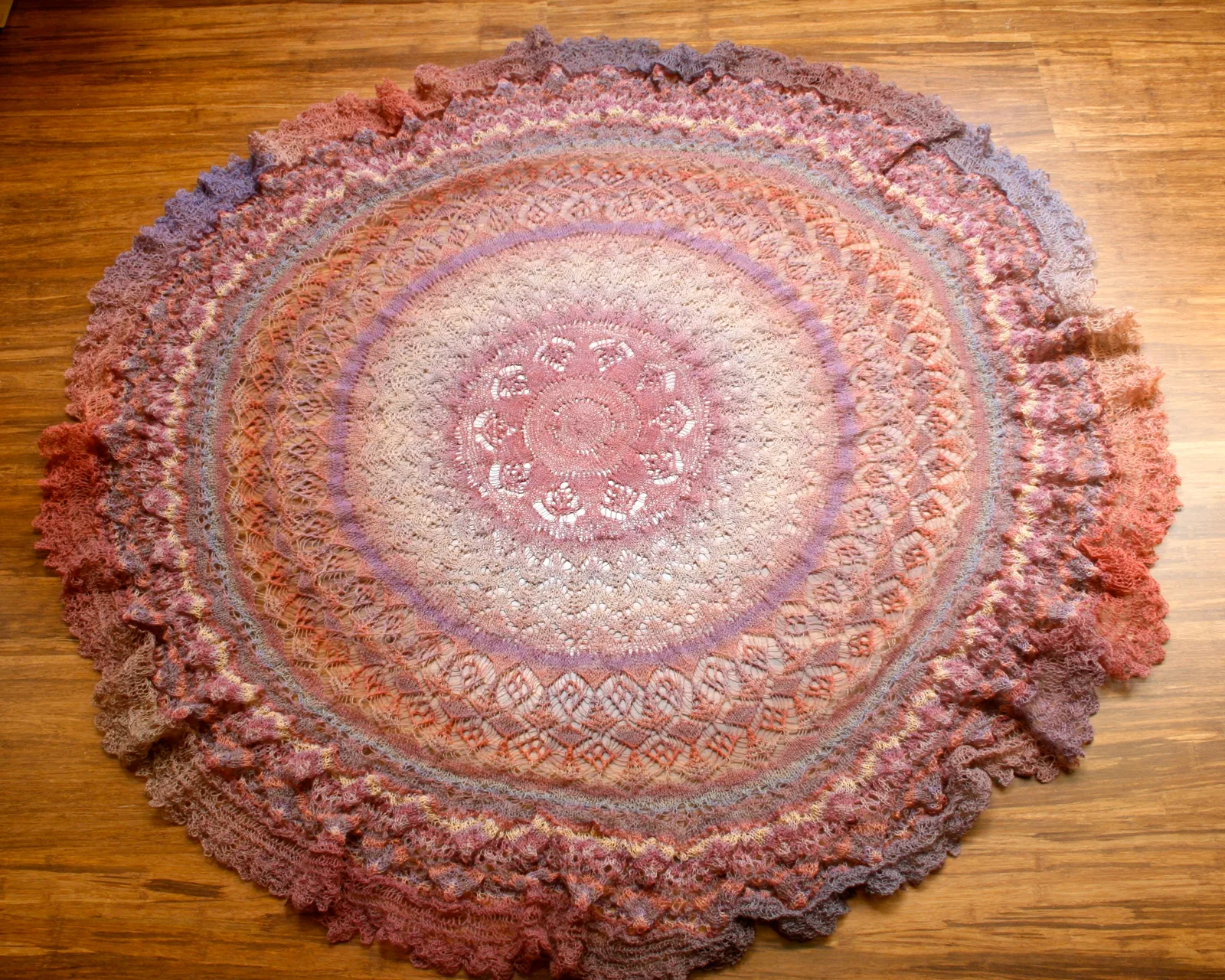
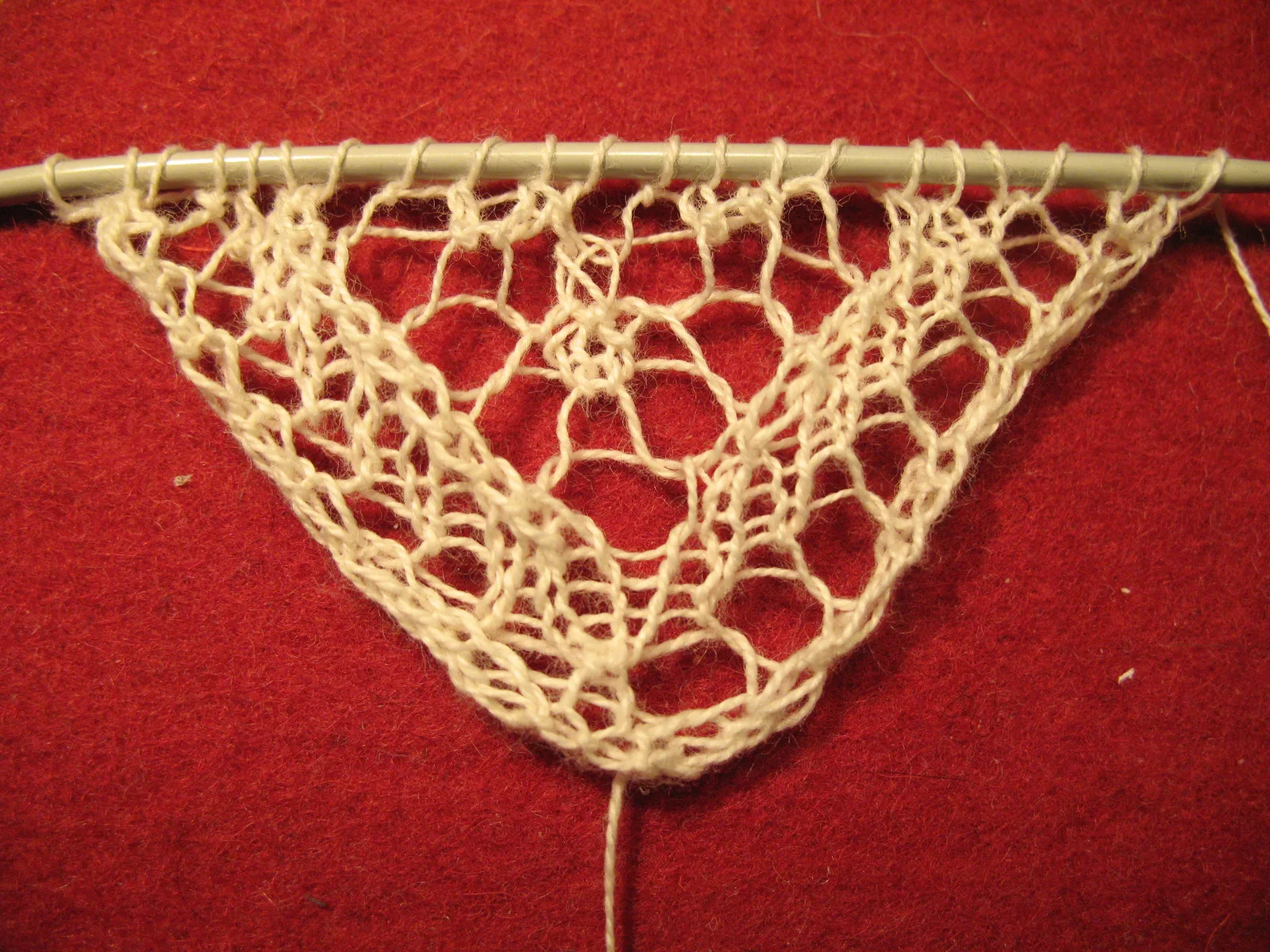
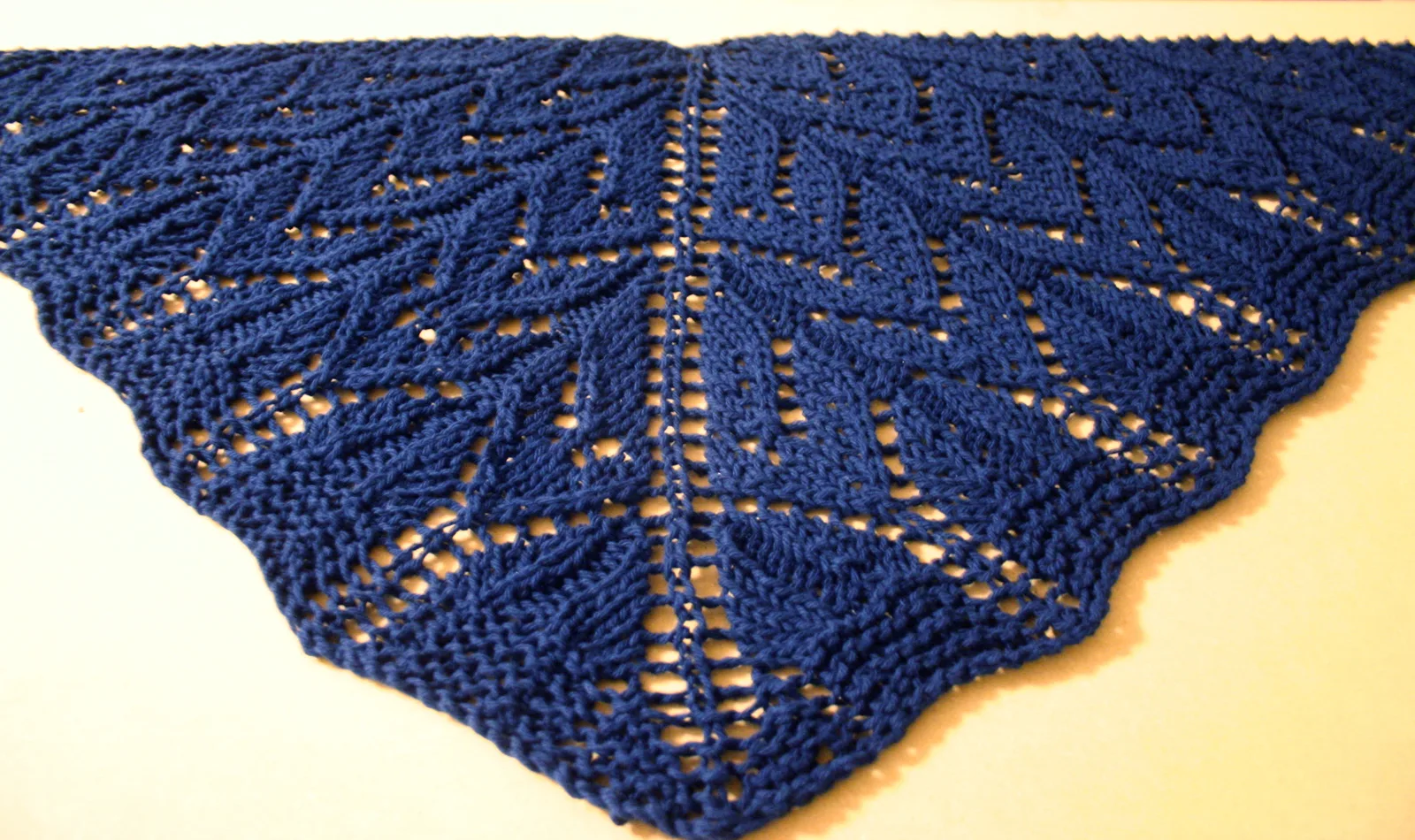
Natural fibers, wool above all, take on the shape they dry in. Blocking uses that. It evens out stitches that came out a little loose or tight, flattens curling stockinette edges enough to seam them, and turns a crumpled lace shawl into an open, even pattern. It also lets you nudge a piece to its finished measurements.
- It will smooth uneven tension, open lace and eyelets, flatten edges for seaming, and square up pieces so they match.
- It can add a little width or length, roughly an inch on a sweater body, more on lace.
- It won't fix a wrong stitch count, a dropped stitch, a cable crossed the wrong way, or a sweater knit at the wrong gauge.
- It won't last forever on lace stretched hard: the fabric relaxes back each time it's washed, so re-block it after washing.
Pick the method for your fiber
There are three ways to block, and the right one depends mostly on what the yarn is made of. When in doubt, test on your swatch first.
| Fiber | Best method | Watch out for |
|---|---|---|
| Wool, alpaca, other animal fibers | Wet block | Hot water plus agitation felts non-superwash wool |
| Superwash wool | Wet block | Grows when wet; support its weight and never hang it |
| Mohair and brushed yarns | Spray or gentle wet block | Brush lightly after drying to lift the halo |
| Cotton, linen | Wet or steam block | No memory, so it won't hold a stretched shape |
| Silk | Wet block, lukewarm water | Heavy when wet; pin it out flat |
| Acrylic and most synthetics | Steam, carefully | Too much heat permanently flattens and limpens the fabric |
How to wet block
Wet blocking is the most thorough method and the one most wool patterns assume. You'll need a basin, a wool wash, a couple of towels and a flat surface you can pin into, such as foam mats or a folded towel on a spare bed.
- Fill a basin with lukewarm water and a little no-rinse wool wash, like Soak.
- Submerge the piece and press it down gently until it's fully wet. Leave it 15–20 minutes so the water reaches the core of the fiber.
- Lift it out in both hands, supporting the whole weight. Squeeze, don't wring.
- Roll it up in a dry towel and press or stand on the roll to remove more water. It should feel damp, not wet.
- Lay it on the mats and ease it to the measurements on the pattern's schematic, pinning every inch or two along the edges.
- Leave it until completely dry, usually 24–48 hours. Turn it over halfway if the underside stays damp.
For lace, thread blocking wires through the edge stitches and pin the wires instead of every point; straight edges come out straight with a fraction of the pins. Bendable blocking combs do a similar job: each has four steel pins, so one comb replaces four single pins along an edge.
Steam blocking
Steam is faster, and it's the safer choice for acrylic and for fibers that don't like a long soak. Pin the piece out dry, then hold a steam iron or garment steamer a little above the fabric and let the steam penetrate. Don't press the iron onto the fabric: it flattens texture, crushes cables and leaves a shine. Let the piece cool and dry completely before you unpin it.
With acrylic, go easy. A burst of steam relaxes it nicely; too much heat "kills" it, leaving fabric that's limp and drapey for good. That's sometimes useful for a stiff acrylic blanket, but it can't be undone, so try it on a swatch.
Spray blocking
Spray blocking is the gentlest method. Pin the dry piece to its measurements, then mist it with water until it's evenly damp and leave it to dry. It suits mohair and other brushed yarns that mat easily, small pieces like hats and mittens, and quick touch-ups between washes.
Block your swatch before you measure it
Blocking changes gauge. Wool often grows a little; superwash wool and alpaca can grow a lot; lace opens up dramatically. If you measure an unblocked swatch, the finished garment won't match it. Wash and block the swatch exactly as you'll treat the finished piece, let it dry unpinned, then count stitches over 4 inches (10 cm) in the middle. Our guide to substituting yarn walks through the full swatching routine.
Browse every blocking tool in the shop, from pins and wires to sweater dryers.
Questions
Do I need to block crochet?
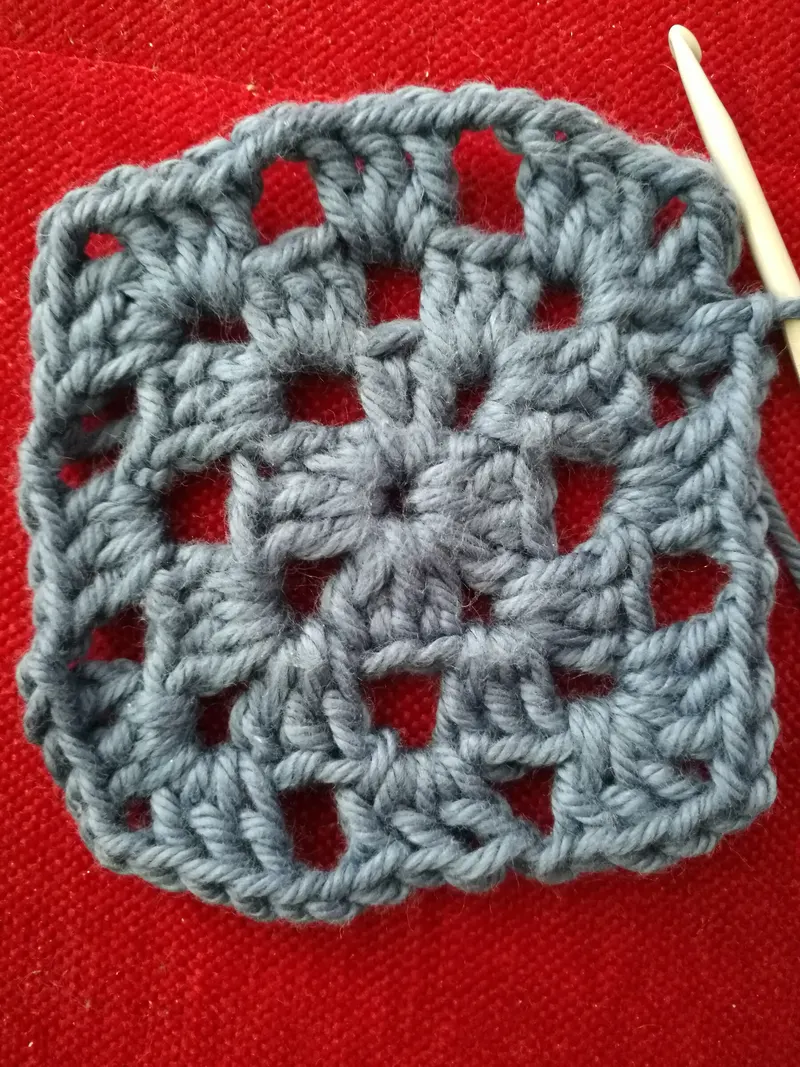
Usually, yes. Crochet lace, motifs and granny squares block just like knitting, and blocking squares to the same size first makes joining them much easier.
Can I block a garment that's already been worn?
Yes. Wash it as usual, then shape it while damp and dry it flat. Any wool or wool-blend garment benefits from being reshaped after each wash.
How long does blocking take to dry?
Usually 24–48 hours for wet blocking, depending on fiber, thickness and humidity. A fan or a mesh rack with air underneath speeds it up. Don't unpin until it's completely dry, or it will spring back.