Learn to knit & crochet
How to Crochet for Beginners: Tools, Stitches & First Projects
To start crocheting, make a slip knot, chain a row, then work single crochet back across it. You need one hook and smooth yarn. Follow the 12-stitch practice project below, then try taller stitches when you can keep the edges straight. All instructions here use US terms.
Some links in this guide are affiliate links. We earn a commission on purchases made through them, at no extra cost to you.
What you need to start
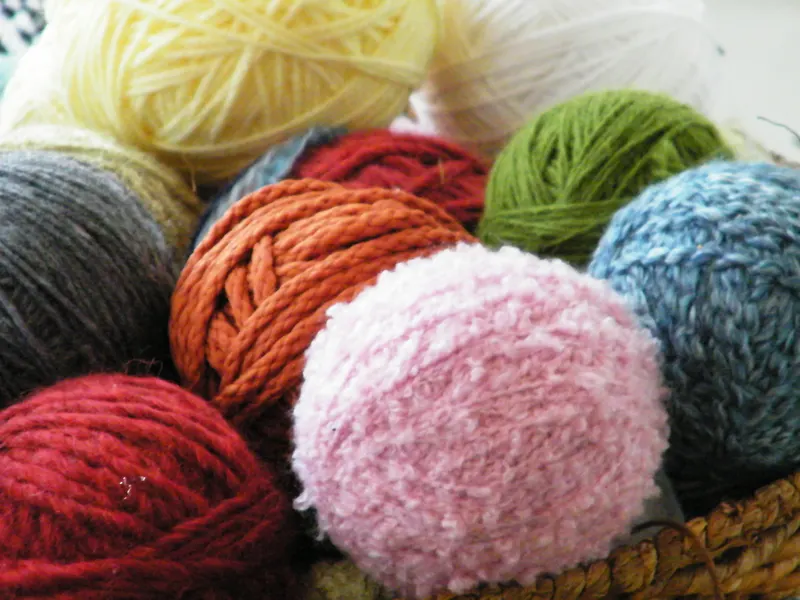
- Yarn: one skein of smooth, light-colored worsted weight (#4 Medium). Light colors let you see each stitch; smooth yarn shows where the hook goes.
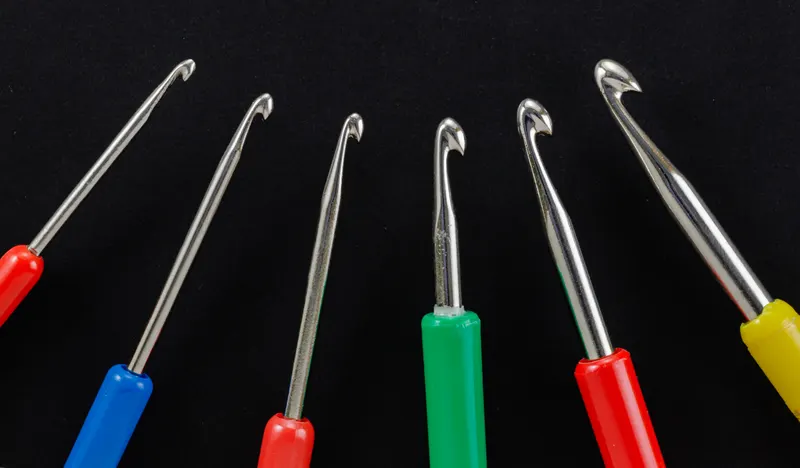
- A hook: a 5 mm (H-8) or 5.5 mm (I-9) hook to match worsted yarn.
- A tapestry needle: a blunt, large-eyed needle for weaving in ends.
- Scissors, and a few stitch markers (safety pins work) to mark the first stitch of a row or round.
Avoid fuzzy, dark, very thin or novelty yarns for now: mohair, bouclé, eyelash and black yarn all hide the stitches you're trying to learn to read. Wool is forgiving because it has some stretch; cotton is firm and great for dishcloths but less elastic on the hands.
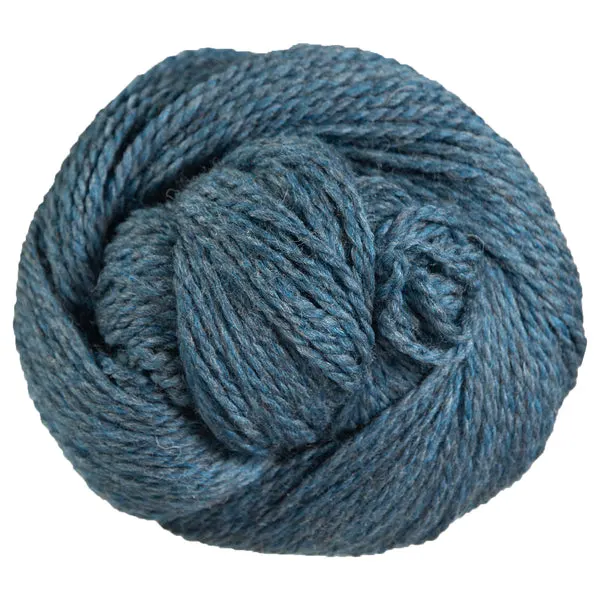
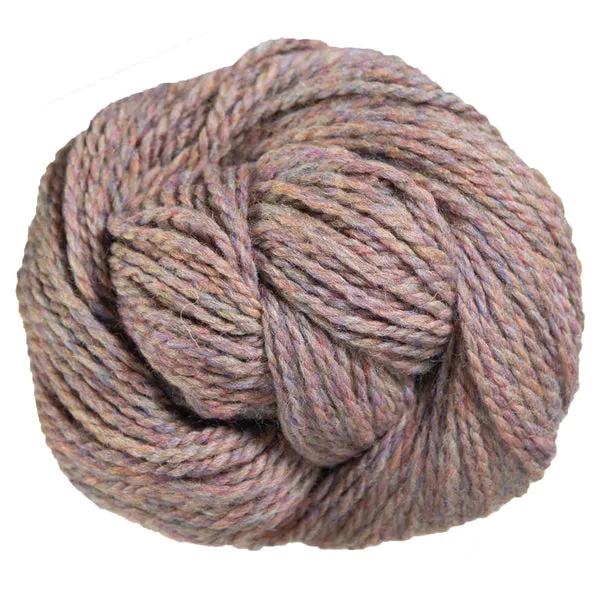
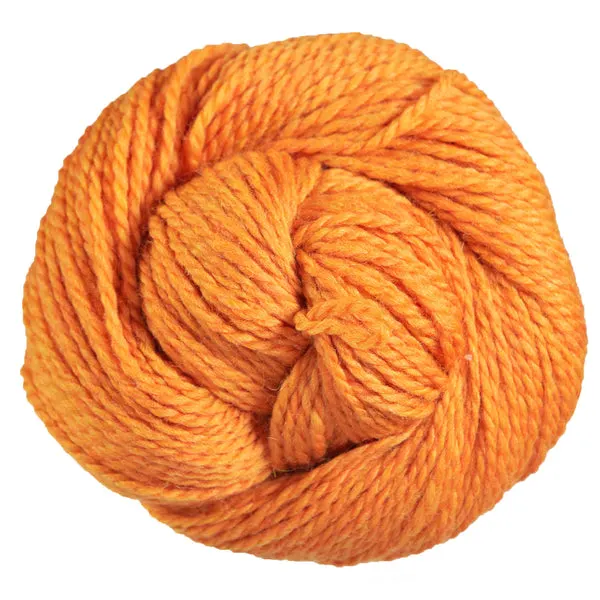
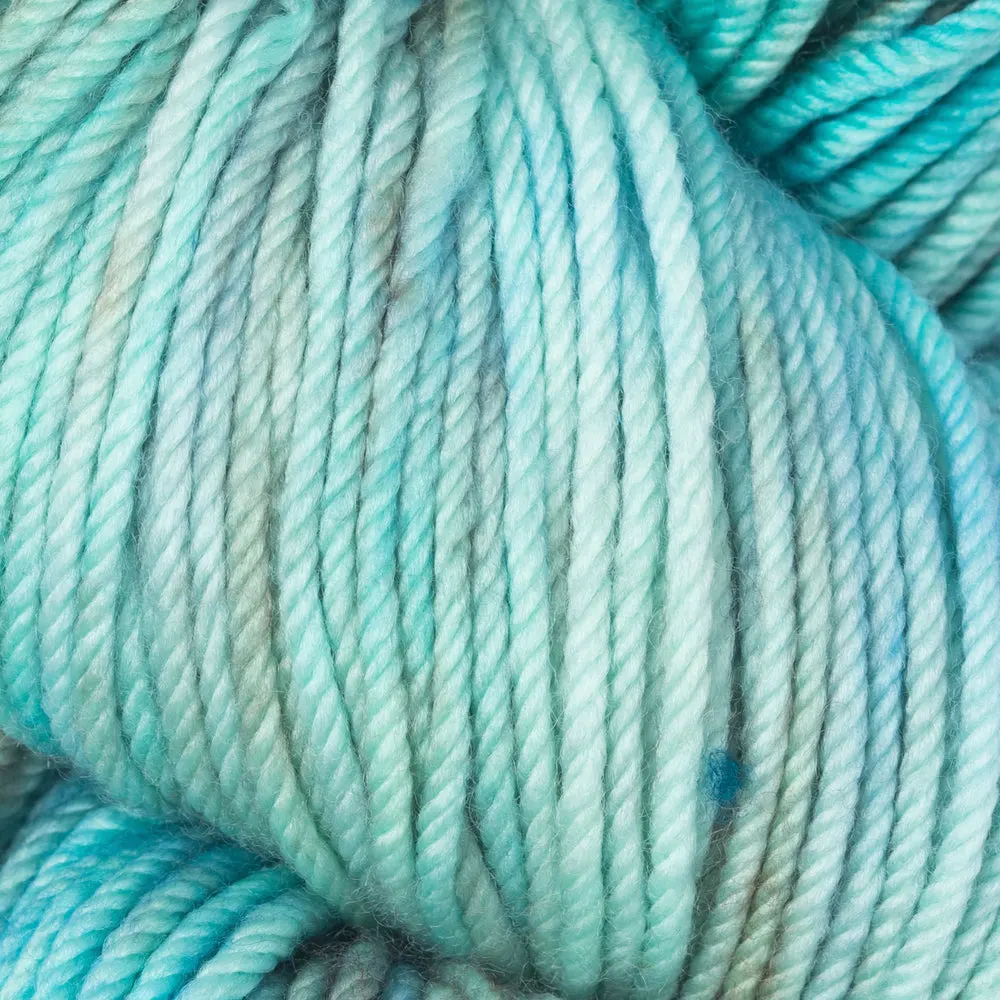
Easy worsteds to learn on
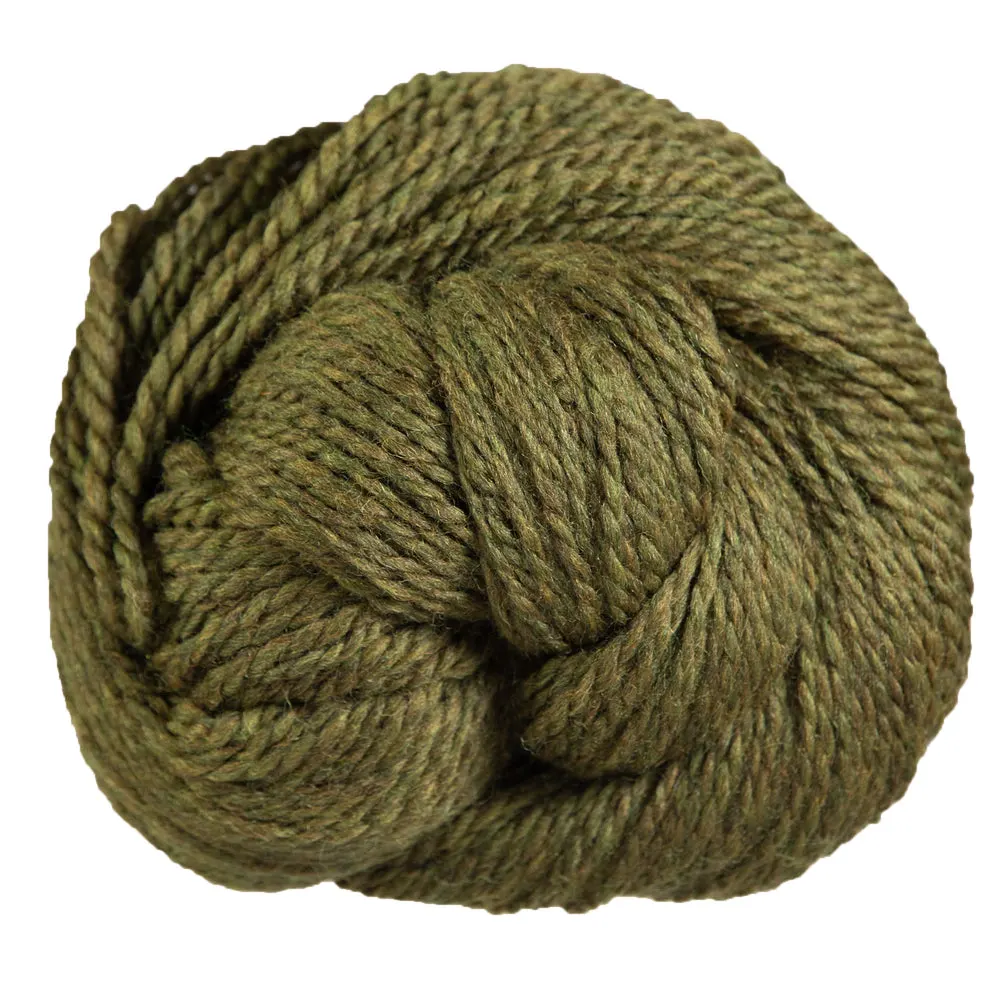
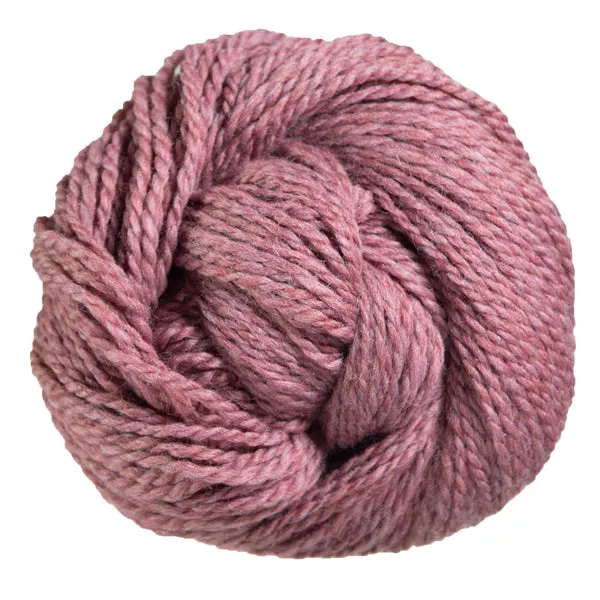
Knit Picks
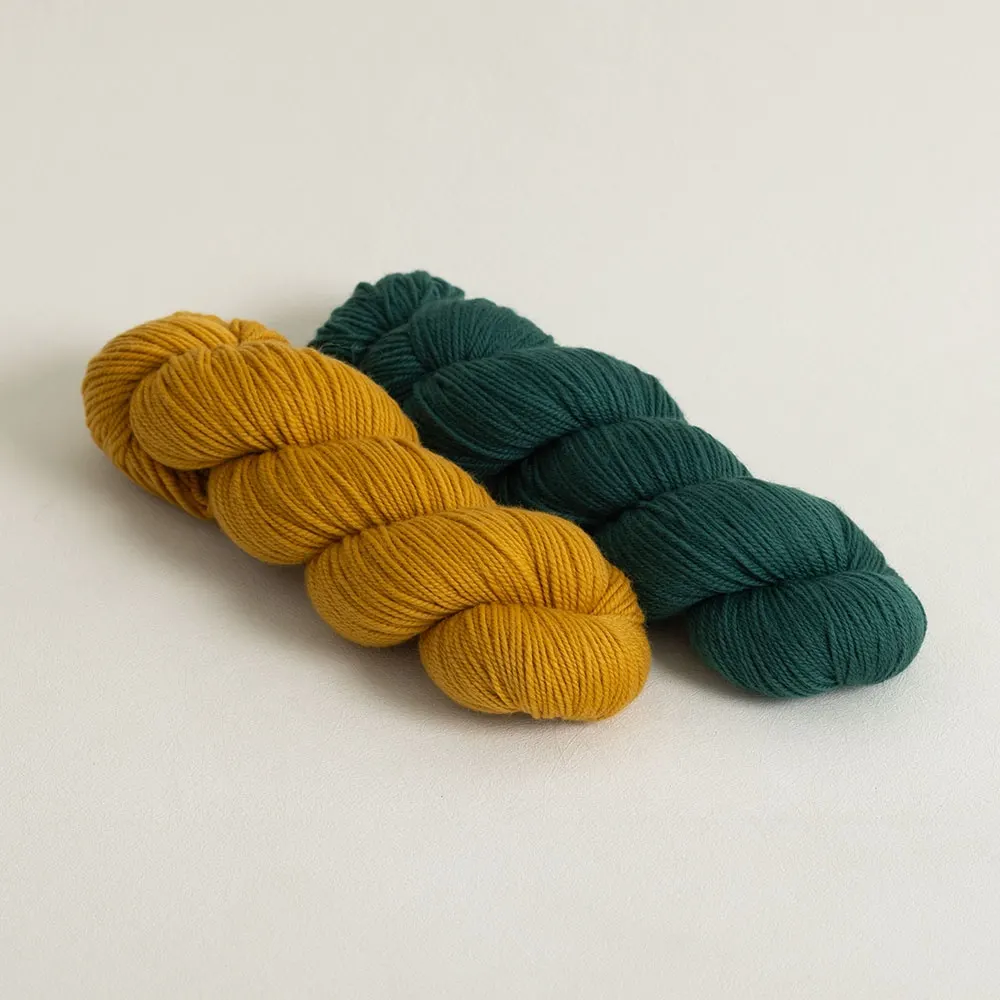
High Desert Worsted
Worsted · 217 yds / 100 g
 +4
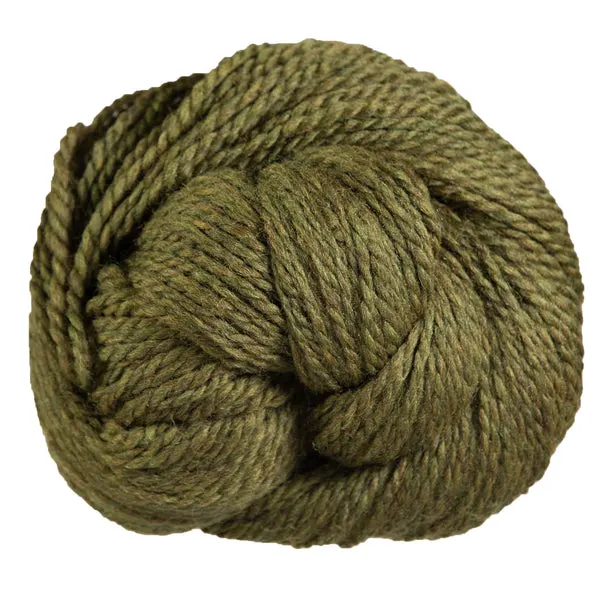
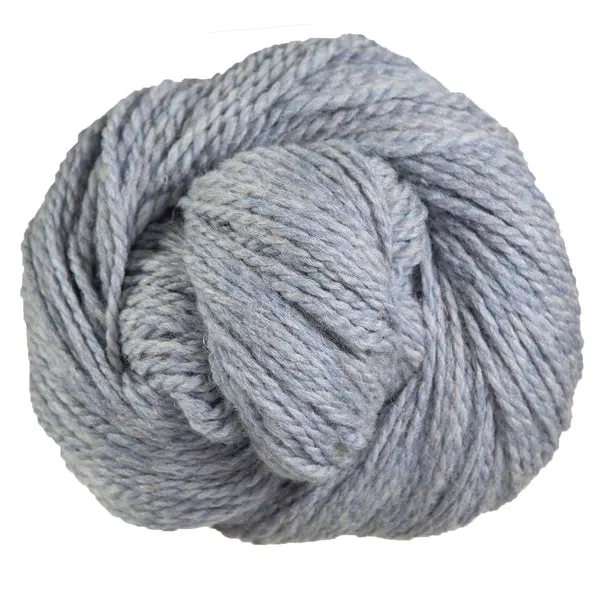
Blue Sky Fibers
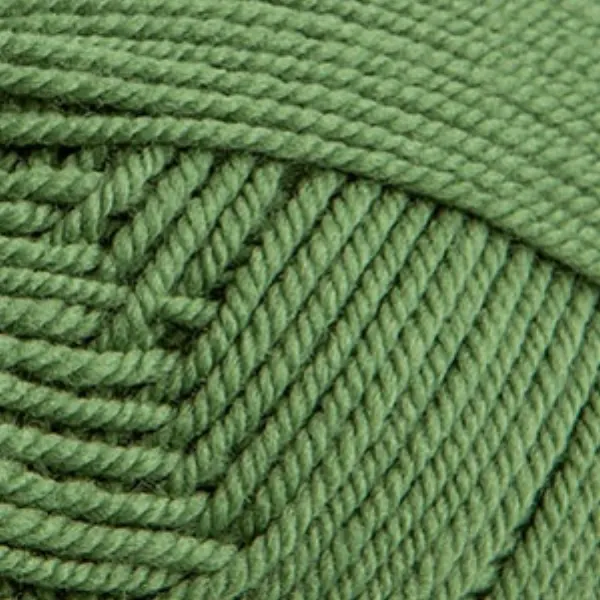
Woolstok
Worsted · 123 yds / 50 g
 +4
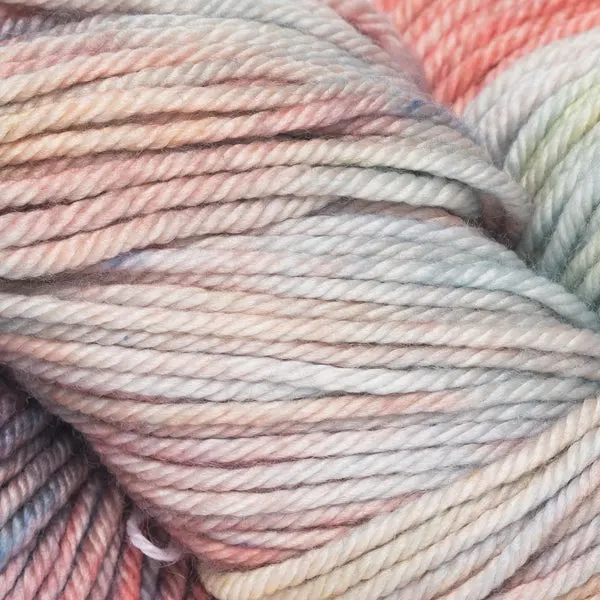
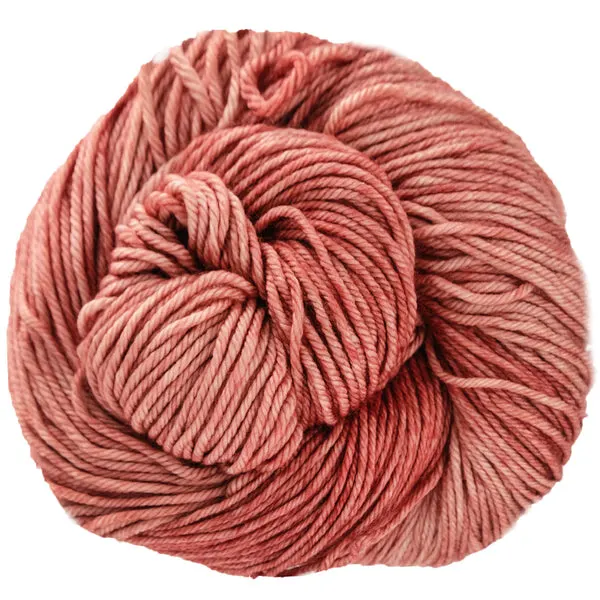
Malabrigo
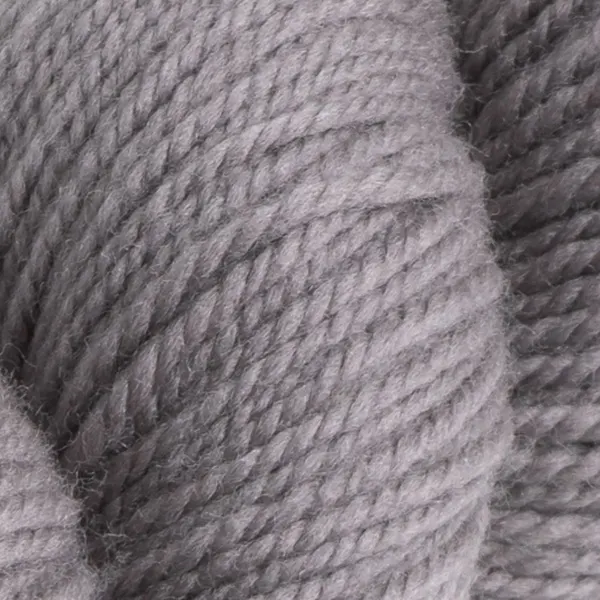
Rios
Worsted · 210 yds / 100 g
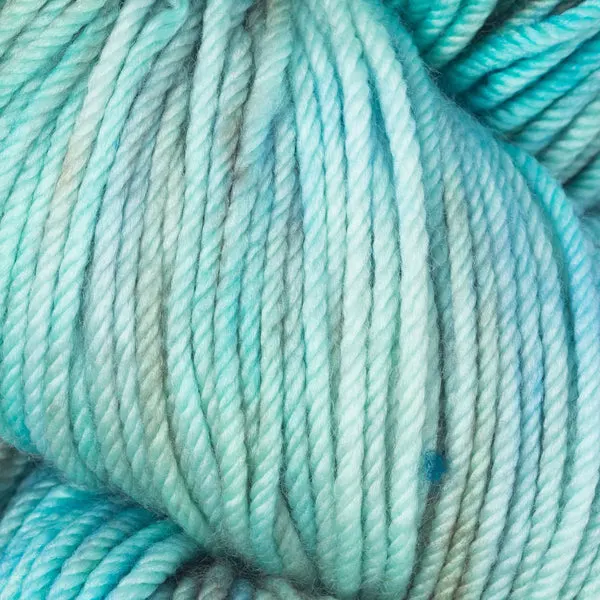
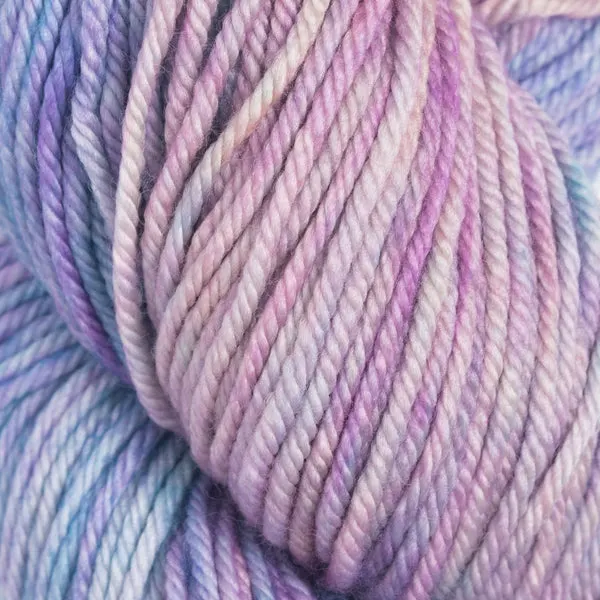
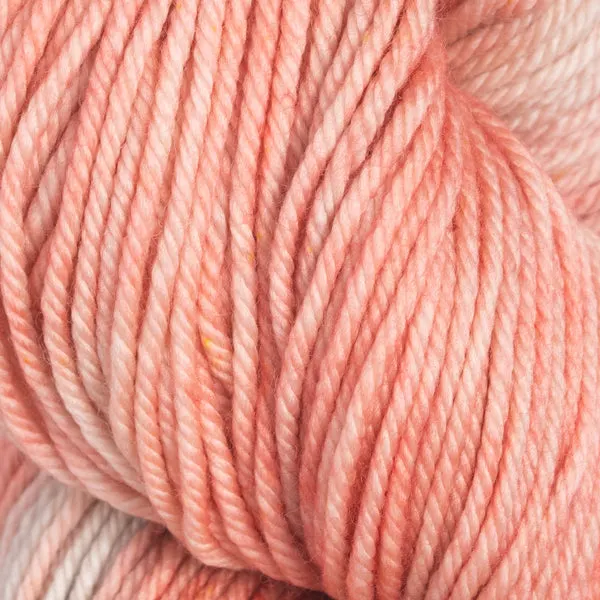
 +4
Smooth, springy worsted wools that show every stitch. See every worsted yarn in the shop.
Choosing a crochet hook
Hooks are labeled in millimeters, and in the US also by letter and number. The yarn label usually suggests a size; if not, use the table. A bigger hook makes looser, drapier fabric; a smaller one makes it denser.
| Yarn weight | Hook size (mm) | US hook |
|---|---|---|
| Fingering (#1) | 2.25–3.5 mm | B-1 to E-4 |
| Sport (#2) | 3.5–4.5 mm | E-4 to 7 |
| DK (#3) | 4.5–5.5 mm | 7 to I-9 |
| Worsted (#4) | 5.5–6.5 mm | I-9 to K-10½ |
| Bulky (#5) | 6.5–9 mm | K-10½ to M-13 |
| Super bulky (#6) | 9–15 mm | M-13 to Q |
Hooks come in aluminum, wood, bamboo and plastic, with straight or shaped handles. Inline hooks have a straighter throat that holds the loop in place; tapered hooks have a rounder head that slides through stitches easily. Neither is better, it's a matter of feel; our guide to crochet hook types compares them. If your hand cramps, try a hook with a thicker handle, like the addi Swing, whose handle is shaped to keep the wrist straight.
Your first crochet project: a 12-stitch practice square
Use smooth, light-colored worsted yarn and a hook recommended on its label. This is a practice piece, not a size-critical pattern: the finished dimensions depend on your tension. Keep scissors, a tapestry needle and two locking stitch markers nearby.
- Make a slip knot: cross the yarn into a loop, pull a bight of the working yarn through it, and put that new loop on the hook. Tighten until it slides easily. Leave a tail about 6 in (15 cm) long.
- Chain 13: catch the working yarn with the hook and pull it through the live loop. Repeat until you can count 13 linked V shapes. The live loop on the hook is not one of the chains.
- Row 1: insert the hook into the second chain from the hook. Yarn over and draw up a loop, then yarn over and pull through both loops. That is one single crochet. Work one into each remaining chain: 12 single crochets.
- Chain 1 and turn the work like a page. The turning chain does not count as a stitch here. Work a single crochet under both top loops of the first stitch, then one in each stitch across: 12 again.
- Repeat the previous step until the piece is roughly square. Mark the first and last actual stitch of every row, and count 12 stitch tops before turning. You do not work into the turning chain.
- To finish, cut the yarn leaving a 6 in tail. Enlarge the live loop and pull the cut end all the way through it, then snug it down. Thread each tail onto a tapestry needle and weave it through the fabric in more than one direction.
The five basic stitches
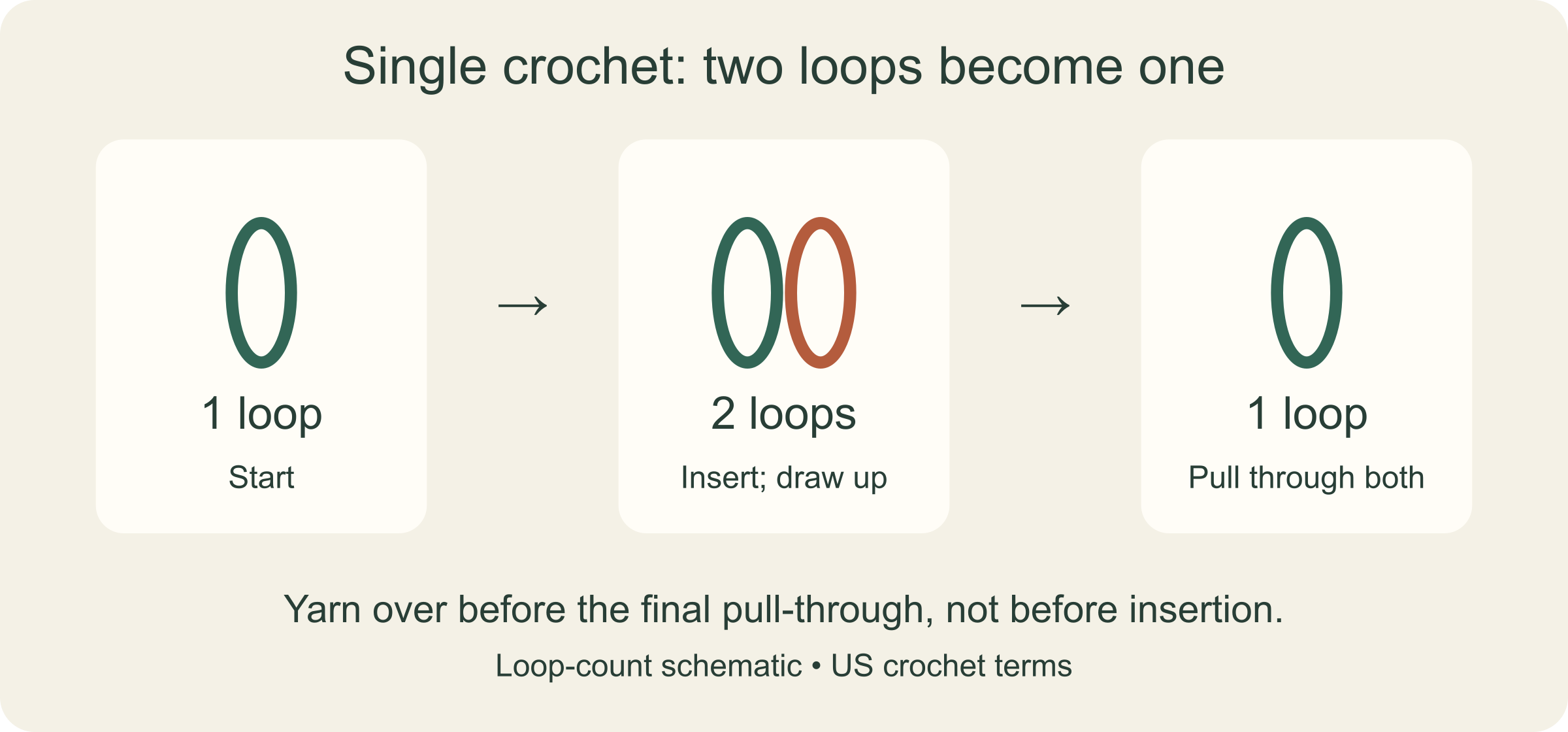
Every stitch starts and ends with one loop on the hook. "Yarn over" (yo) means wrapping the yarn over the hook from back to front. Start with a slip knot on the hook.
- Chain (ch): yarn over and pull through the loop on the hook. A row of chains is the foundation of most flat projects.
- Slip stitch (sl st): insert the hook into a stitch, yarn over, and pull through the stitch and the loop on the hook in one go. Used to join rounds and move along without adding height.
- Single crochet (sc): insert the hook, yarn over, pull up a loop (2 loops on hook), yarn over, pull through both. Short, dense and firm.
- Half double crochet (hdc): yarn over, insert the hook, yarn over, pull up a loop (3 loops), yarn over, pull through all three.
- Double crochet (dc): yarn over, insert the hook, yarn over, pull up a loop (3 loops), yarn over and pull through two, yarn over and pull through the last two. About twice as tall as single crochet, and more open.
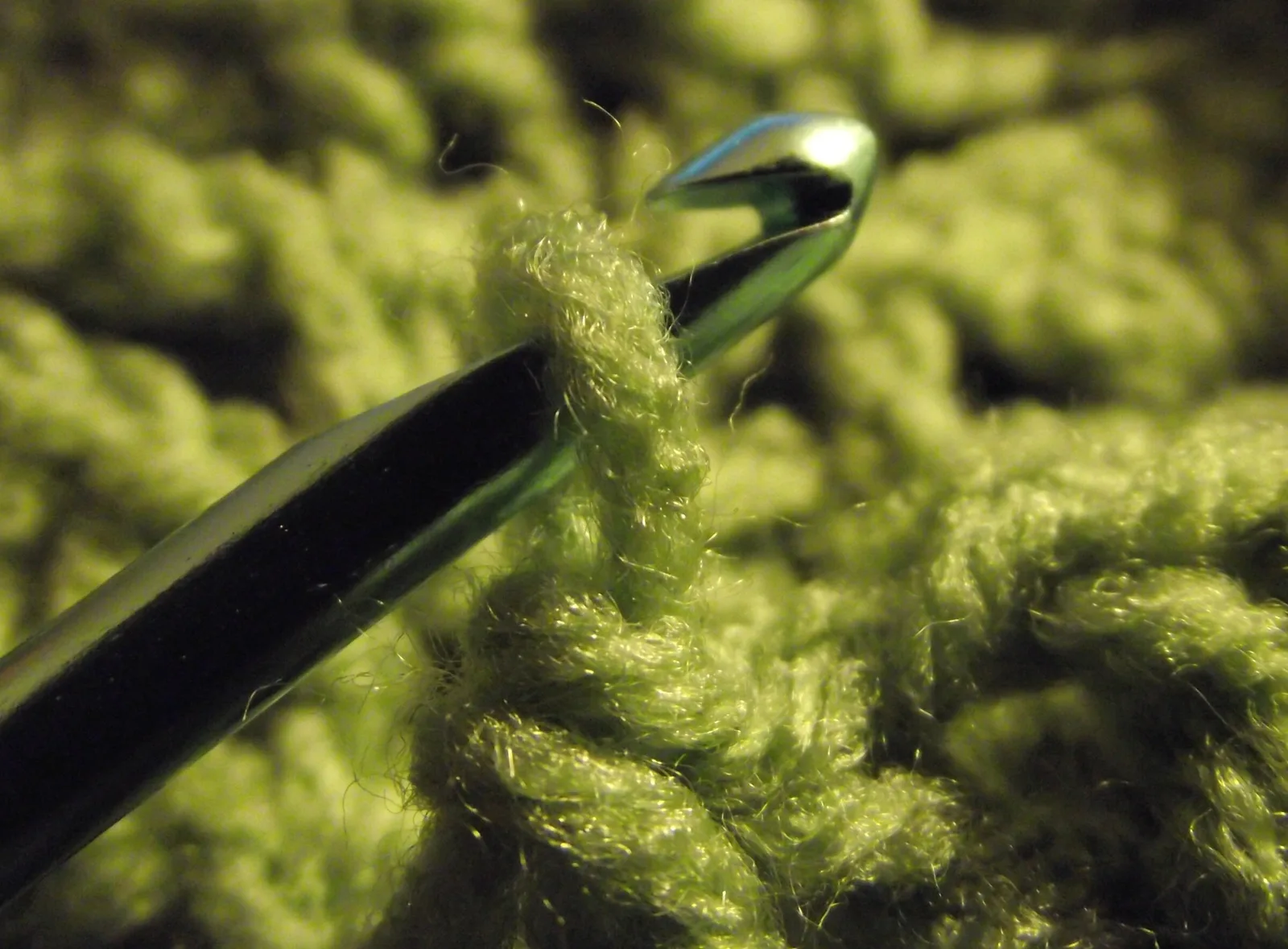
At the start of each row, you chain a few stitches to bring the hook up to the height of the next row: usually 1 chain for single crochet, 2 for half double and 3 for double. Patterns say whether the turning chain counts as a stitch, so check the notes before you count.
Once the practice square feels comfortable, try the half double crochet lesson or double crochet lesson. Both include a small swatch and explain exactly where the first and last stitches go.
US and UK terms
US and UK patterns use the same names for different stitches, which catches out everyone at least once. The US/UK crochet terms converter helps translate a stitch name or abbreviation. Check which terms a pattern uses before you start: if it mentions "single crochet", it's US, since UK terms have no stitch by that name.
| US term | UK term |
|---|---|
| Chain (ch) | Chain (ch) |
| Slip stitch (sl st) | Slip stitch (ss) |
| Single crochet (sc) | Double crochet (dc) |
| Half double crochet (hdc) | Half treble (htr) |
| Double crochet (dc) | Treble (tr) |
| Treble (tr) | Double treble (dtr) |
First projects, in order
- A practice swatch: chain 20 and work rows of single crochet until the edges stay straight and you finish each row with the same count.
- A dishcloth: an 8 in (20 cm) square of single or half double crochet in cotton. Small, quick and useful even if it's uneven.
- A scarf: rows of half double or double crochet in worsted wool. Long and repetitive, which is exactly how tension evens out.
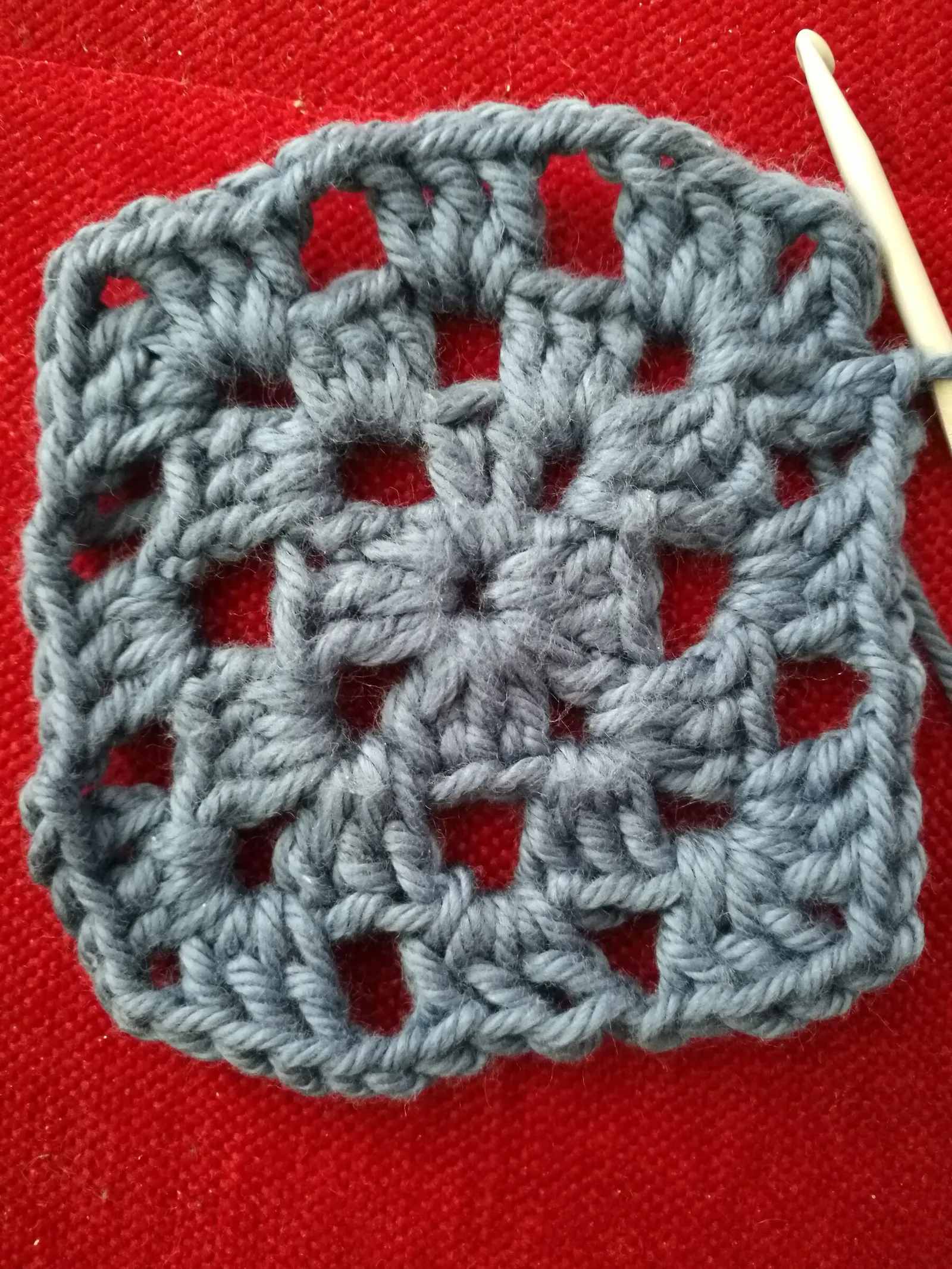
- A granny square: worked in the round with chains and clusters of double crochet. Learn one and you can make a whole blanket, a square at a time.
For dishcloths, a cotton or cotton blend works best because it's absorbent and stands up to scrubbing. Rowan Creative Linen is a 50/50 cotton and linen with 218 yd per 100 g skein, enough for a couple of cloths.
Fixing common beginner problems
- Edges slant inward or outward: you're losing or adding a stitch at the end of rows. Put a marker in the first and last stitch of each row and count.
- The hook won't go in: your tension is too tight. Relax your grip on the yarn, or go up half a hook size.
- Loose, loopy stitches: tension is too loose. Wrap the working yarn once around a finger to add a little drag.
- The foundation chain is too tight: chain with a hook one or two sizes bigger, then switch back for the first row.
Mistakes are cheap in crochet: pull the hook out and unravel back to the error ("frogging"), then put the loop back on the hook. There's only ever one live loop to catch. If you're still deciding between this and knitting, our knitting vs crochet guide compares the two.
Questions
What size crochet hook should a beginner use?
With worsted weight yarn, a 5 mm (H-8) or 5.5 mm (I-9) hook. Always pair the hook with the yarn: check the label, or the hook size table above.
What's the easiest crochet stitch?
The chain, followed by single crochet. Single crochet is just two moves, pull up a loop and pull through both loops, and it makes dense fabric that hides small tension changes.
How long does it take to learn to crochet?
Most people can chain and work rows of single crochet within an hour or two of practice. Even tension and confident stitch counting come with a few small projects.