Yarn fibers
Merino vs Alpaca Yarn: Which Should You Use?
Merino and alpaca are the two soft fibers most knitters reach for first, and they're often sold side by side at the same weight and price. They behave very differently on the needles and in the finished piece. Here's how to choose.
Some links in this guide are affiliate links. We earn a commission on purchases made through them, at no extra cost to you.
Where they come from
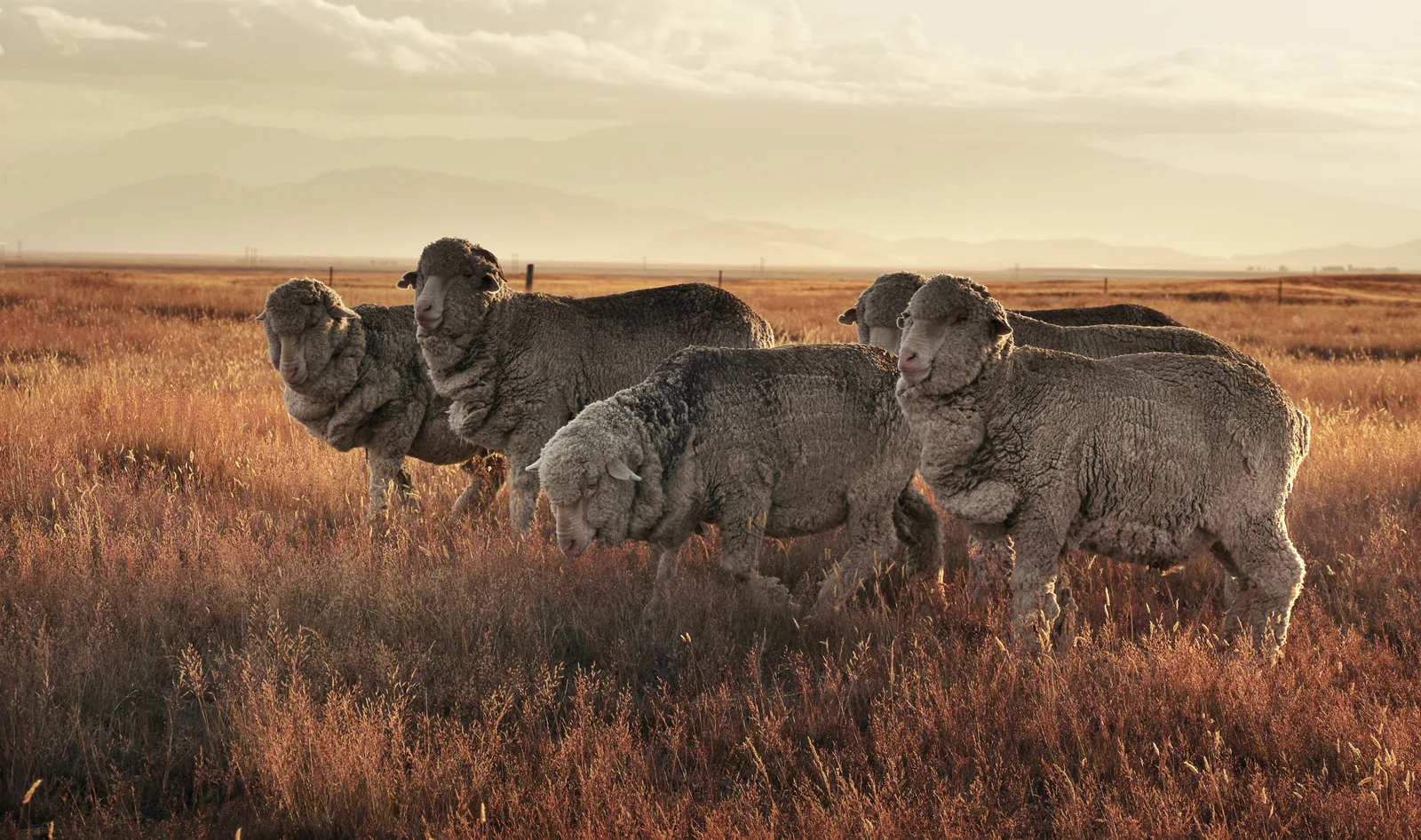
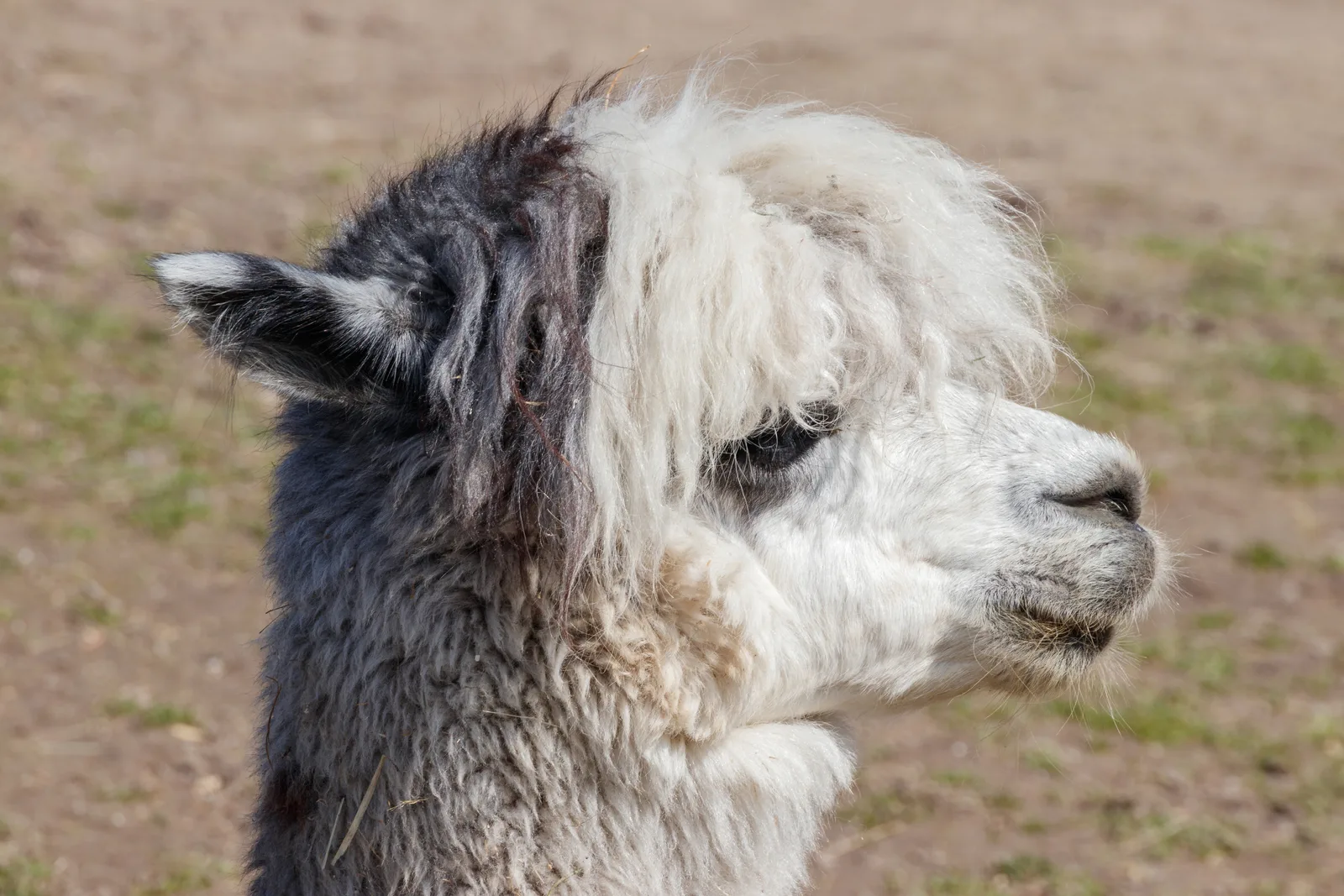
Merino is a breed of sheep, raised in large numbers in Australia, New Zealand, South America and South Africa, and bred for a fine, crimpy fleece. Alpaca fiber comes from alpacas, domesticated South American camelids related to llamas and raised mainly in the Andes. Most alpacas are the fluffy huacaya type; the rarer suri grows long, silky, lustrous locks.
On a yarn band, baby alpaca doesn't mean the fiber came from young animals. It's a fineness grade: the softer fiber sorted from the fleece, around 22.5 microns or finer. Royal alpaca is a finer grade still.
| Merino | Alpaca | |
|---|---|---|
| Warmth | Warm, and stays warm when damp | Warmer for its weight |
| Elasticity | High: springs back | Low: stretches and stays |
| Drape | Moderate, holds shape | Fluid, heavy |
| Feel | Soft, springy | Silky, slippery, often with a halo |
| Lanolin | Present in the raw fleece, scoured out | Very little |
| Stitch definition | Crisp | Softer, can blur |
| Care | Hand wash, or machine if superwash | Hand wash cool, dry flat |
| Best for | Fitted sweaters, ribbing, socks, baby clothes | Cowls, scarves, shawls, relaxed sweaters |
Warmth
Both are warm. Alpaca is generally the warmer of the two for the same weight of yarn, partly because many of its fibers have a hollow core that traps air. A plain alpaca sweater can be too warm indoors; the same garment in alpaca suits an outdoor cowl or hat perfectly. Merino's strength is that it stays comfortable over a wider range of temperatures and still feels warm when damp.
Softness and itch
The prickle people blame on wool comes from coarser fiber ends pressing against the skin, so fineness matters more than which animal grew the fiber. Knitting merino is typically under 24 microns, and baby alpaca sits in a similar range: both feel soft on the neck.
Alpaca has two extra points in its favor for sensitive skin. It carries very little lanolin, which some people react to, and its fiber surface is smoother than wool's, so it feels silkier. Brushed or haloed alpaca can still tickle, though, and a coarse grade of either fiber will itch.
Drape, stretch and shape
This is the biggest practical difference. Merino's crimp gives it memory, so ribbing grips, cuffs bounce back and a fitted sweater keeps its shape. Alpaca has very little crimp. It drapes beautifully, but it stretches under its own weight and doesn't spring back, so a long alpaca cardigan can grow in length over time.
Care
Untreated merino and alpaca will both felt with heat and agitation, so wash them by hand in cool water, squeeze rather than wring, and dry flat. Superwash merino, such as Malabrigo Rios, can go in the machine on a wool cycle, but tends to relax and grow when wet. Superwash alpaca is much less common. Alpaca is especially important to dry flat: hung up wet, it stretches.
Or use both: merino-alpaca blends
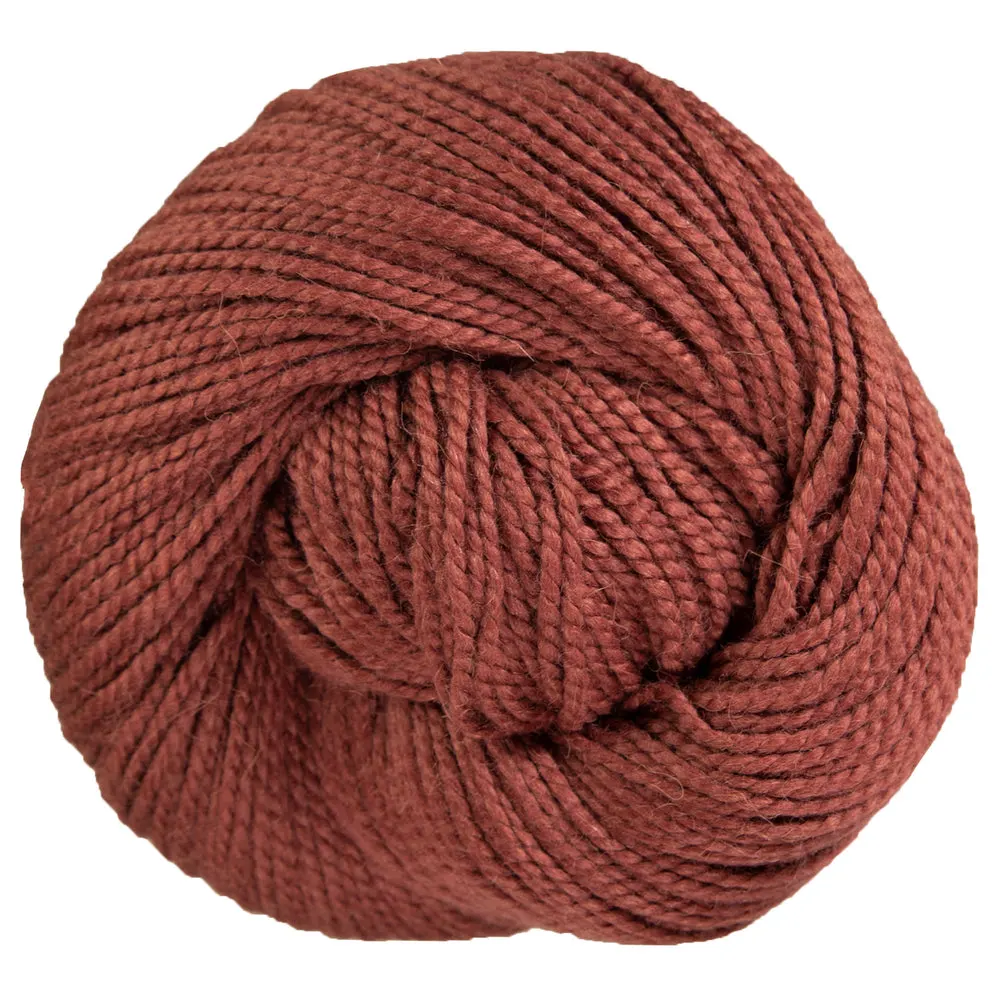
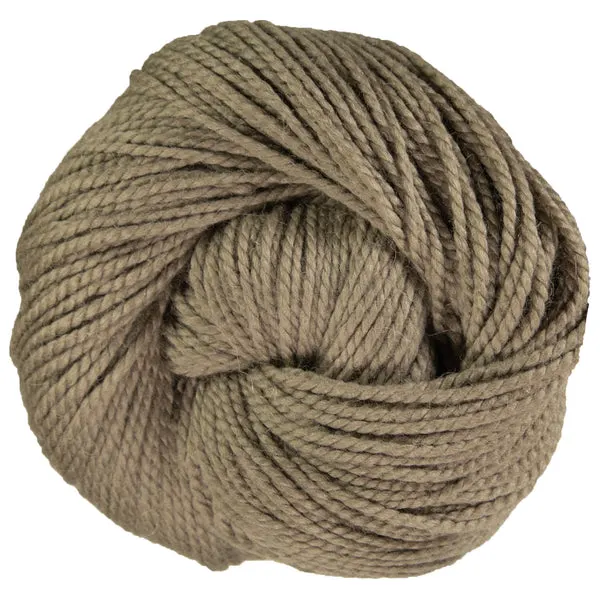
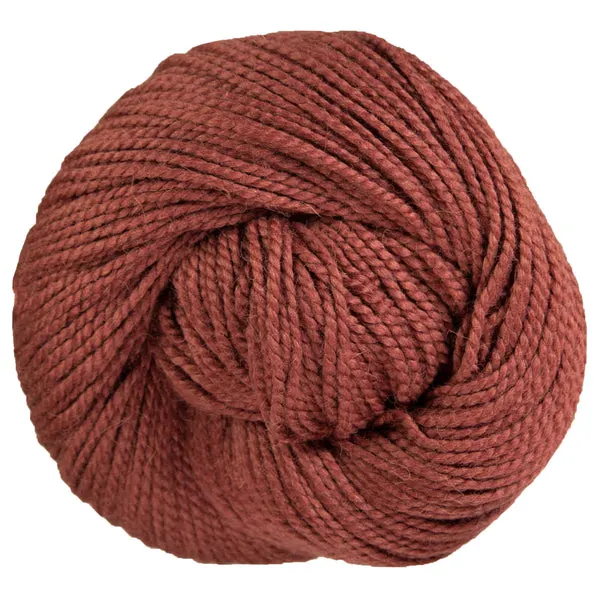
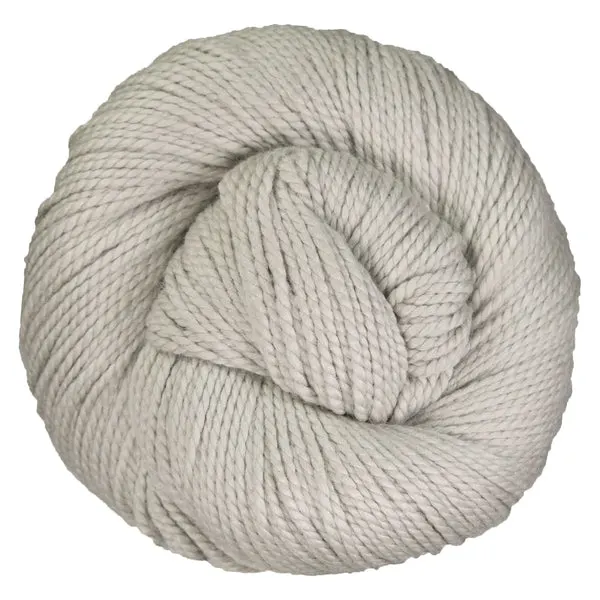
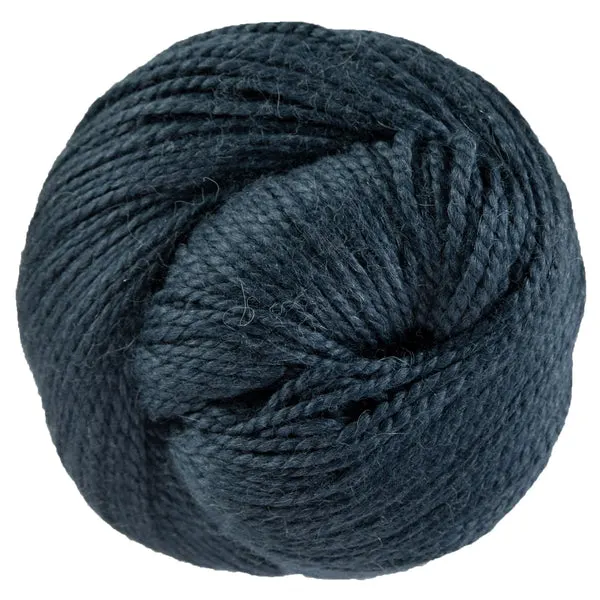
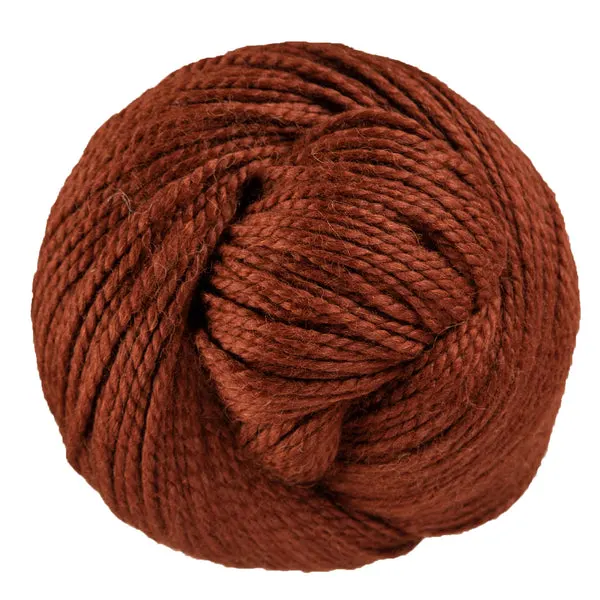
Many favorite yarns blend the two, so the merino supplies shape and the alpaca supplies warmth and drape. Blue Sky Fibers Extra is 55% baby alpaca and 45% merino, and Rowan Alpaca Soft DK is 70% wool and 30% alpaca. A blend is the safe choice for a sweater you want soft and warm that still fits after a winter of wear.
Merino and alpaca, together
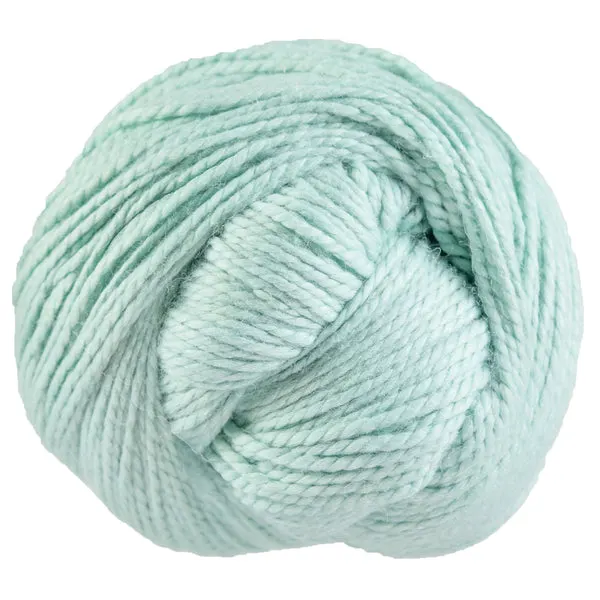
Blue Sky Fibers
Extra
Aran · 218 yds / 150 g
 +4
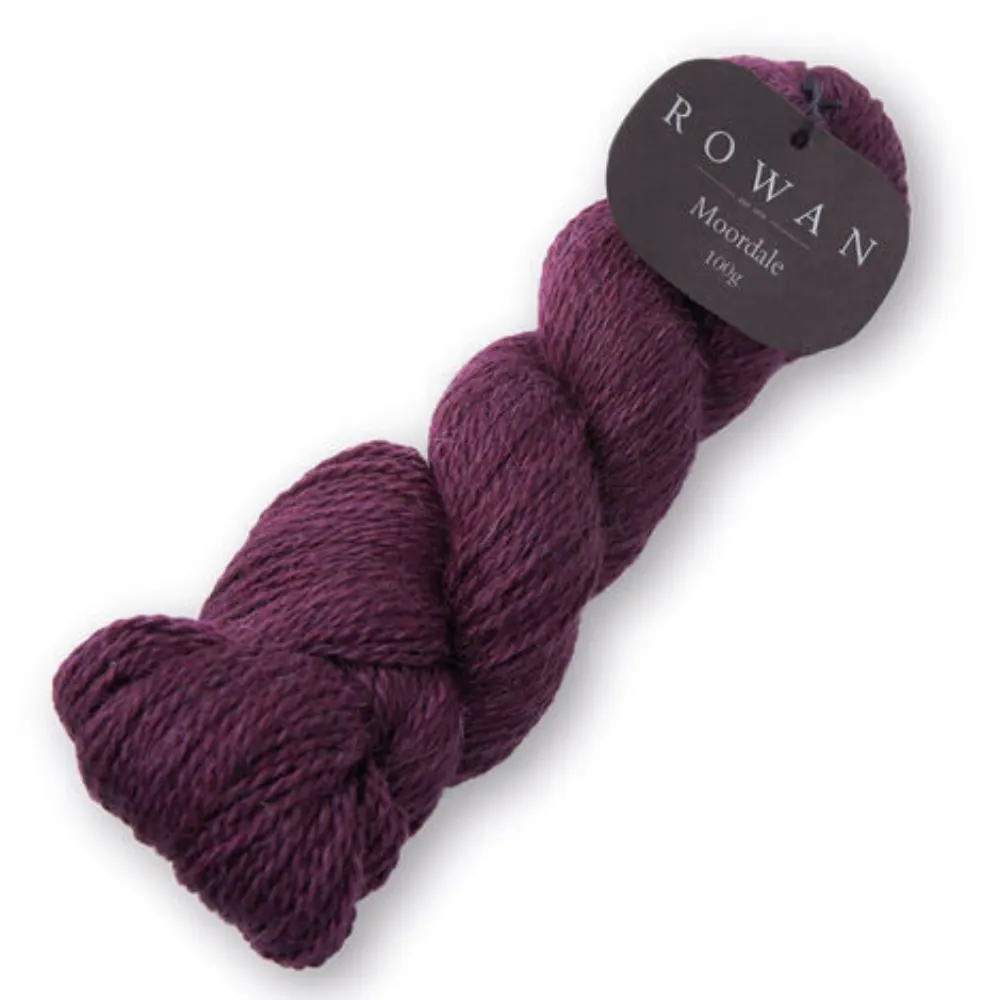
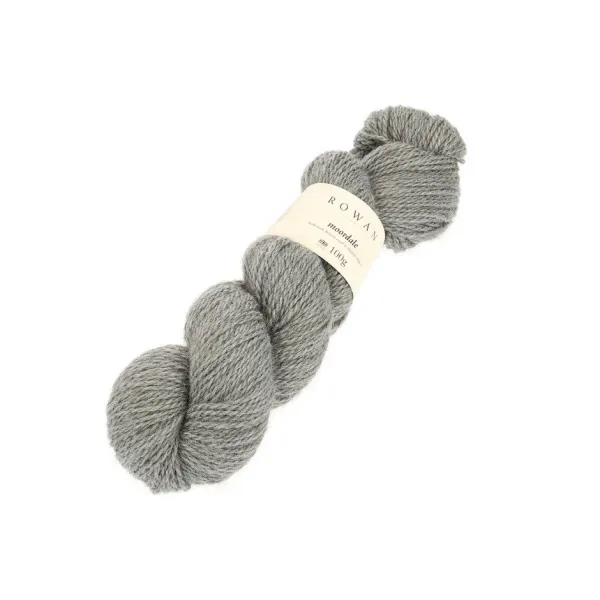
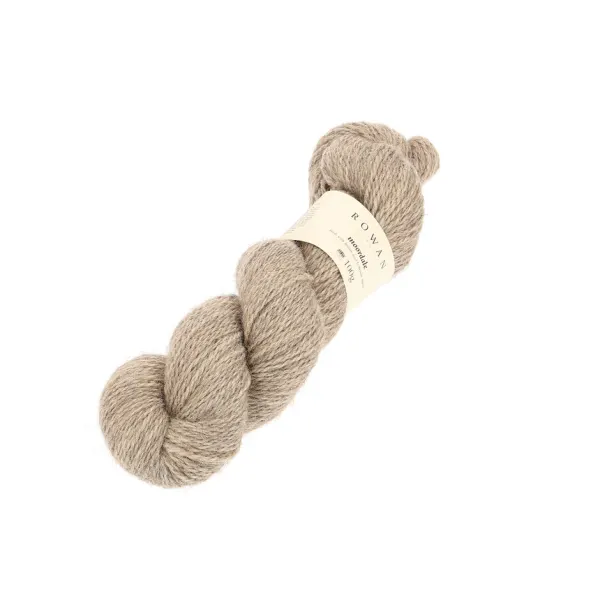
Rowan
Moordale
Aran · 251 yds / 100 g
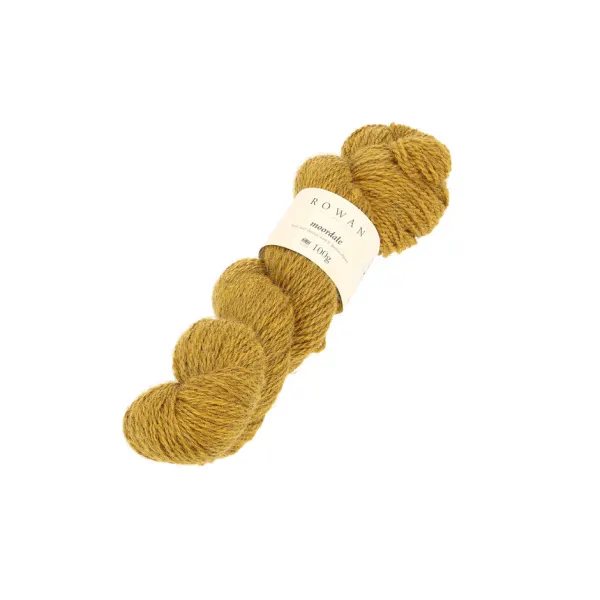
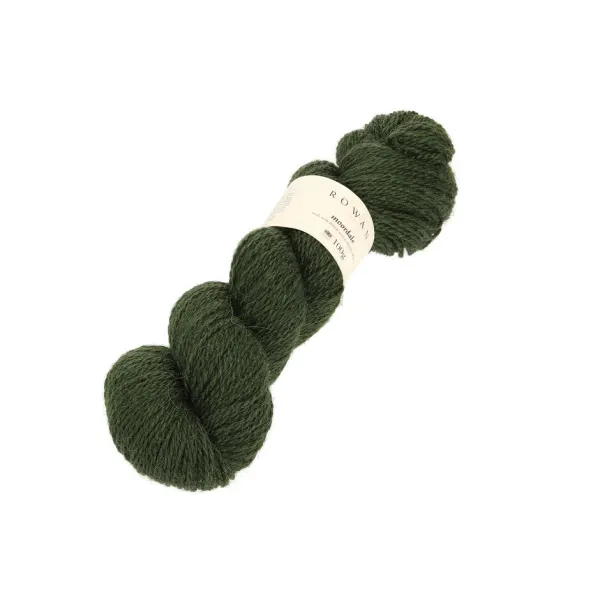
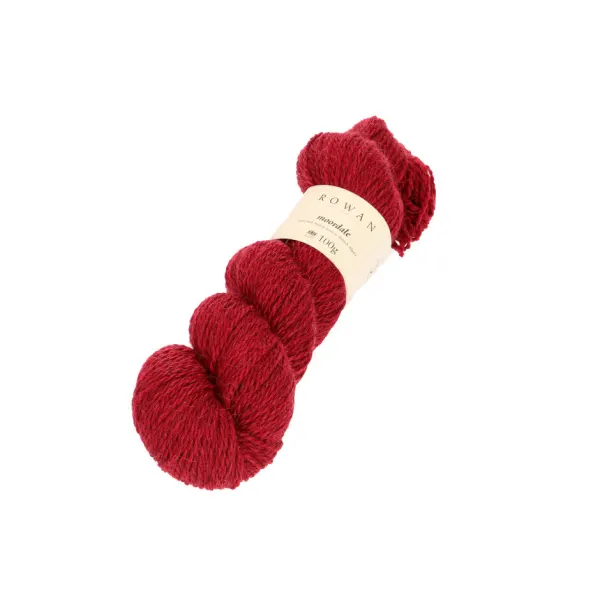
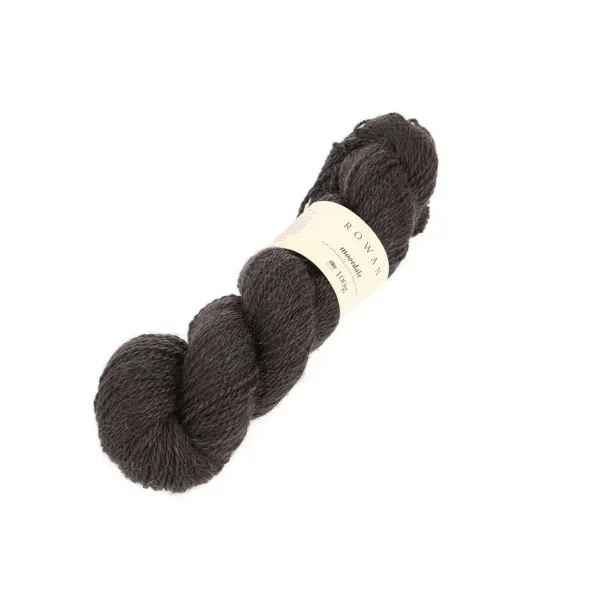 +4
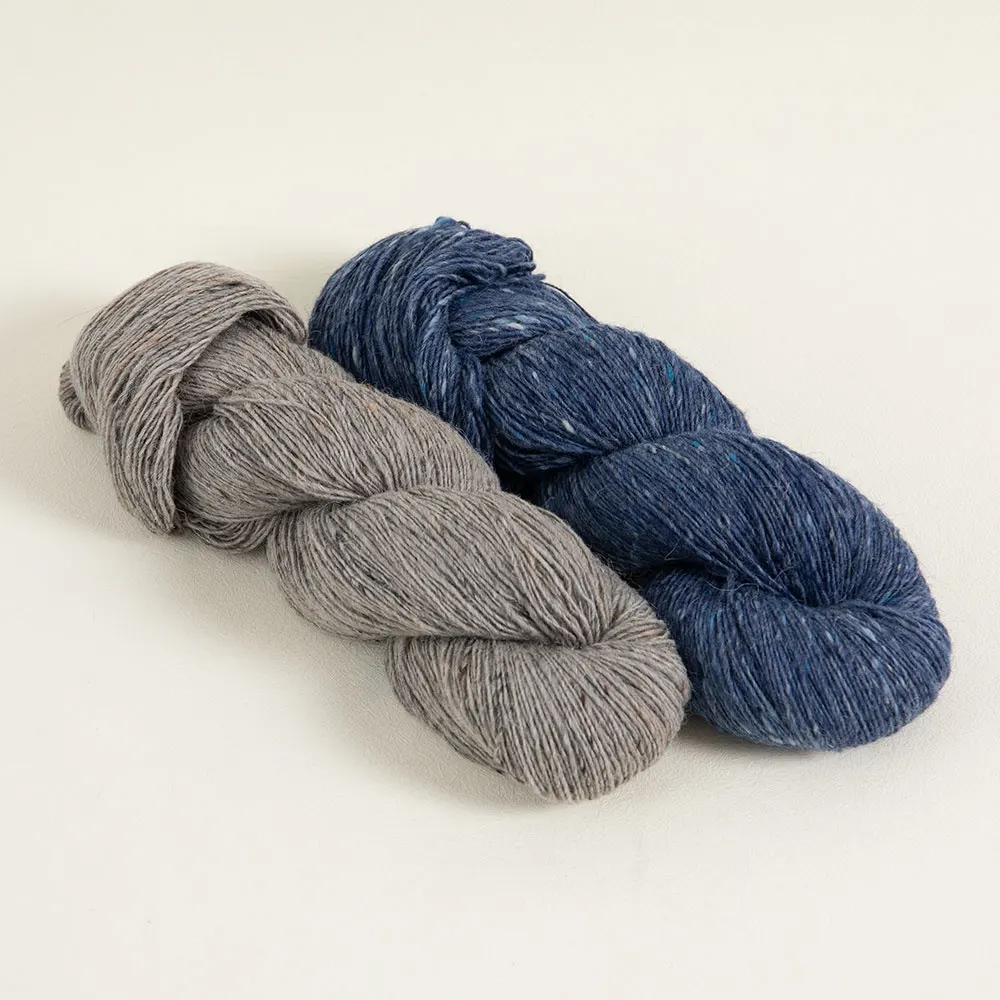
Knit Picks
Woolen Tweed
Fingering · 437 yds / 100 g
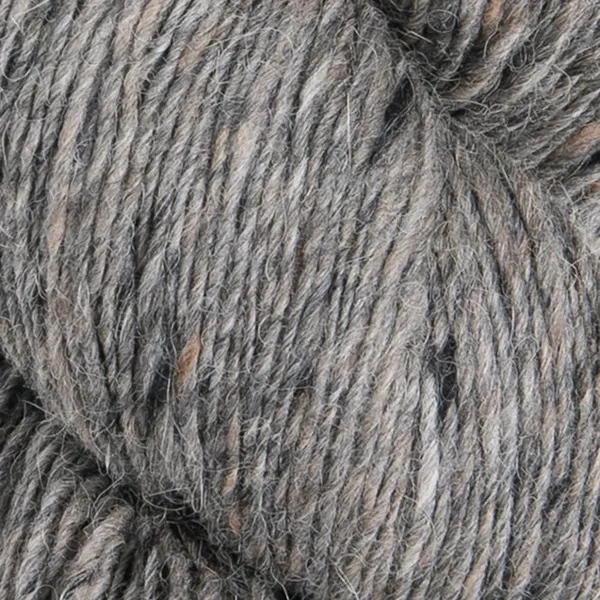
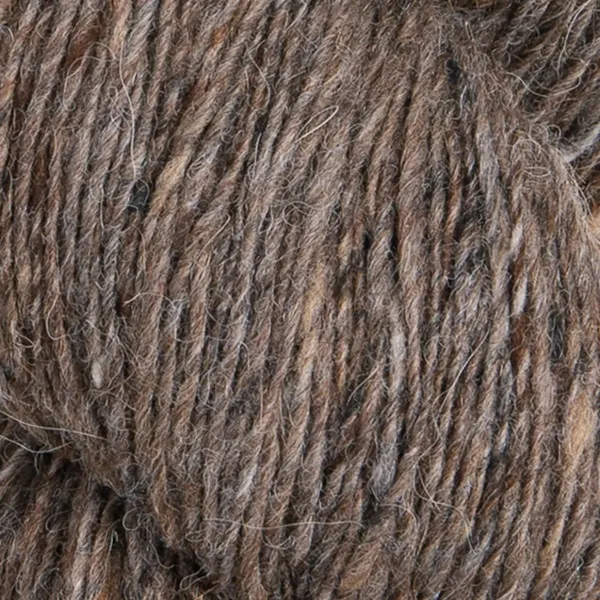
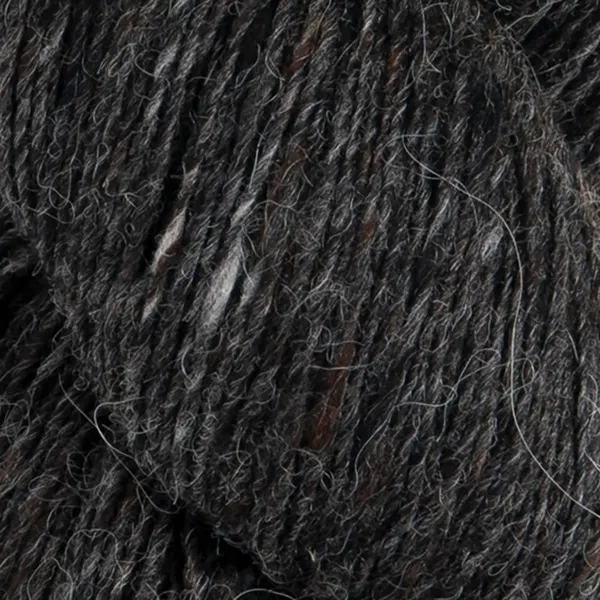 +4
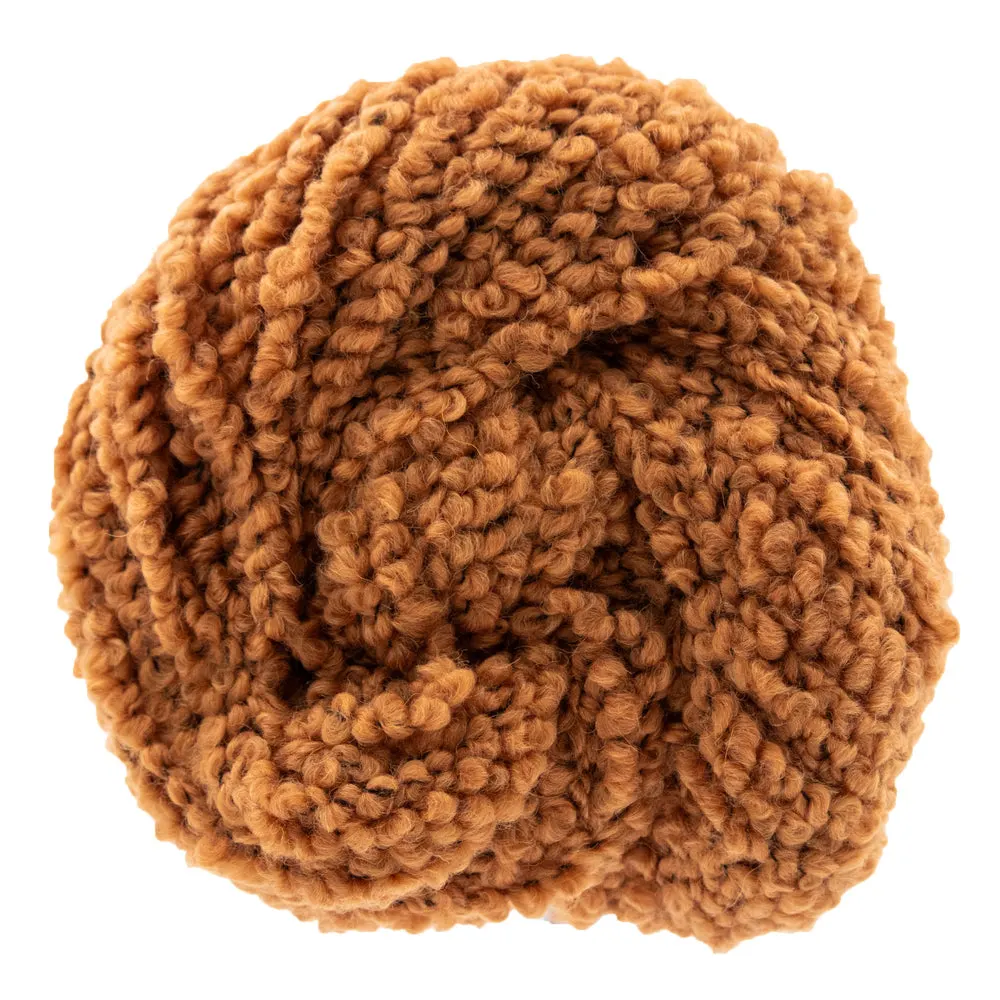
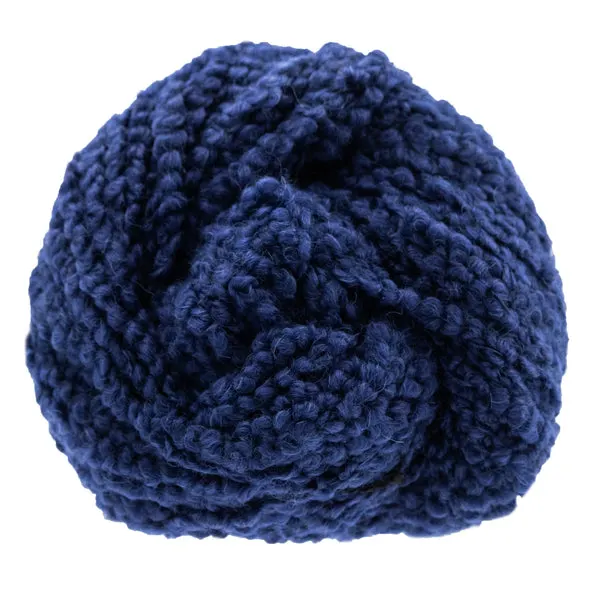
Urth Yarns
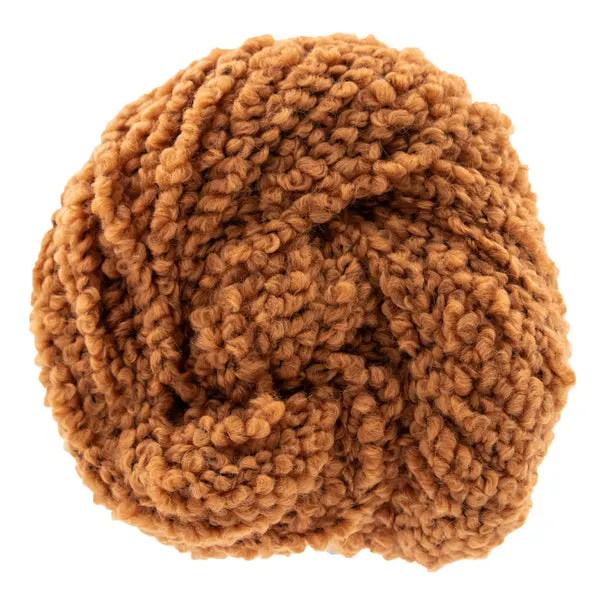
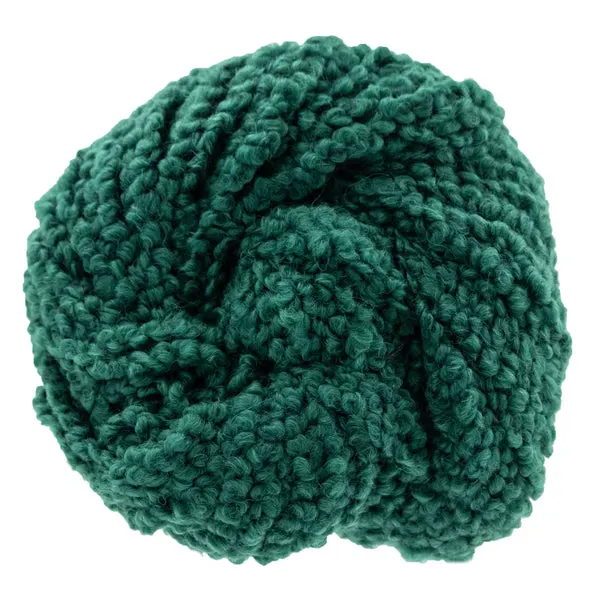
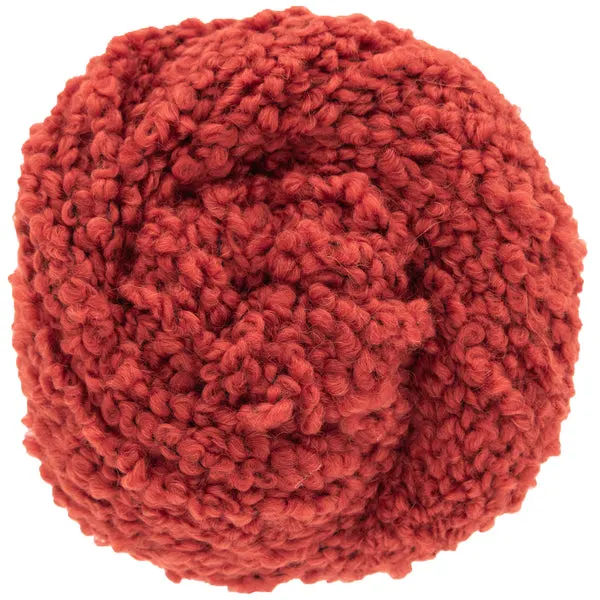
Lanalpaca
Super Bulky · 77 yds / 100 g
 +4
Blends from fingering to super bulky. See every alpaca yarn and merino yarn in the shop.
Which should you choose?
- Fitted sweaters, ribbed hats and cuffs: merino, or a blend that's mostly merino.
- Socks: merino blended with nylon. Pure alpaca is too slippery and stretchy to wear well underfoot.
- Baby clothes and gifts: superwash merino, for the washing machine.
- Cowls, scarves and hats for real cold: alpaca.
- Lace and drapey shawls: alpaca, which blooms when blocked.
- Oversized cardigans and relaxed pullovers: a merino-alpaca blend.
If you're replacing a pattern's merino with alpaca or the other way round, our guide to substituting yarn explains how to match weight and fiber, and the natural fiber guide compares the other options.
Questions
Is alpaca warmer than merino?
Generally yes, for the same weight of yarn. Alpaca's partly hollow fibers trap air, which makes it a great choice for cold-weather accessories and sometimes too warm for an indoor sweater.
Is alpaca good for people who find wool itchy?
Often. Alpaca has very little lanolin and a smoother surface than wool. But itch depends mostly on how fine the fiber is, so choose baby or royal alpaca, and try a skein against your neck before committing to a whole sweater.
Does alpaca stretch?
It drapes and grows rather than springing back. Pure alpaca garments can lengthen with wear, especially heavy ones. Knit it a little firmer, dry it flat, or pick a blend with wool for structure.