Choosing yarn
Hand-Dyed Indie Yarn: How to Judge Quality Before You Buy
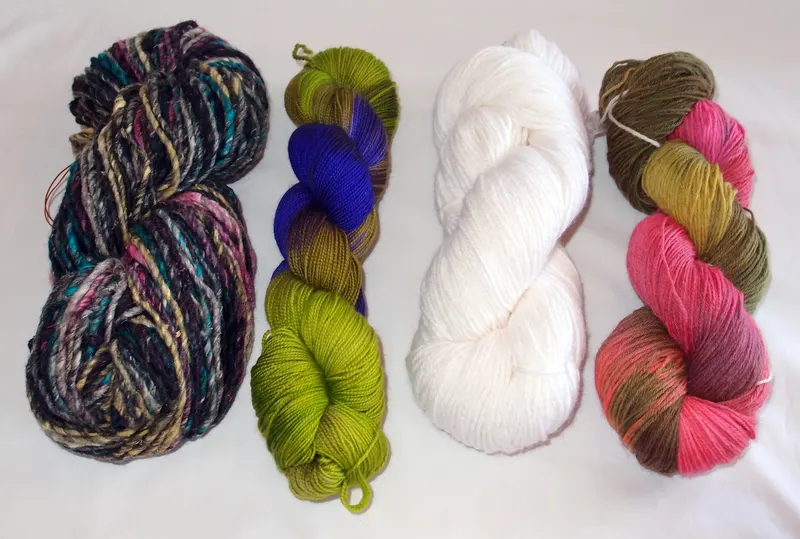
Hand-dyed yarn from small, independent dyers gives you colors no mill can match. It also gives you more to check: skeins that don't quite match, dye that runs, twist that fights you. Here's what separates a great indie skein from a disappointing one, and how to buy it so the finished piece looks the way you pictured.
Some links in this guide are affiliate links. We earn a commission on purchases made through them, at no extra cost to you.
What makes yarn "indie"
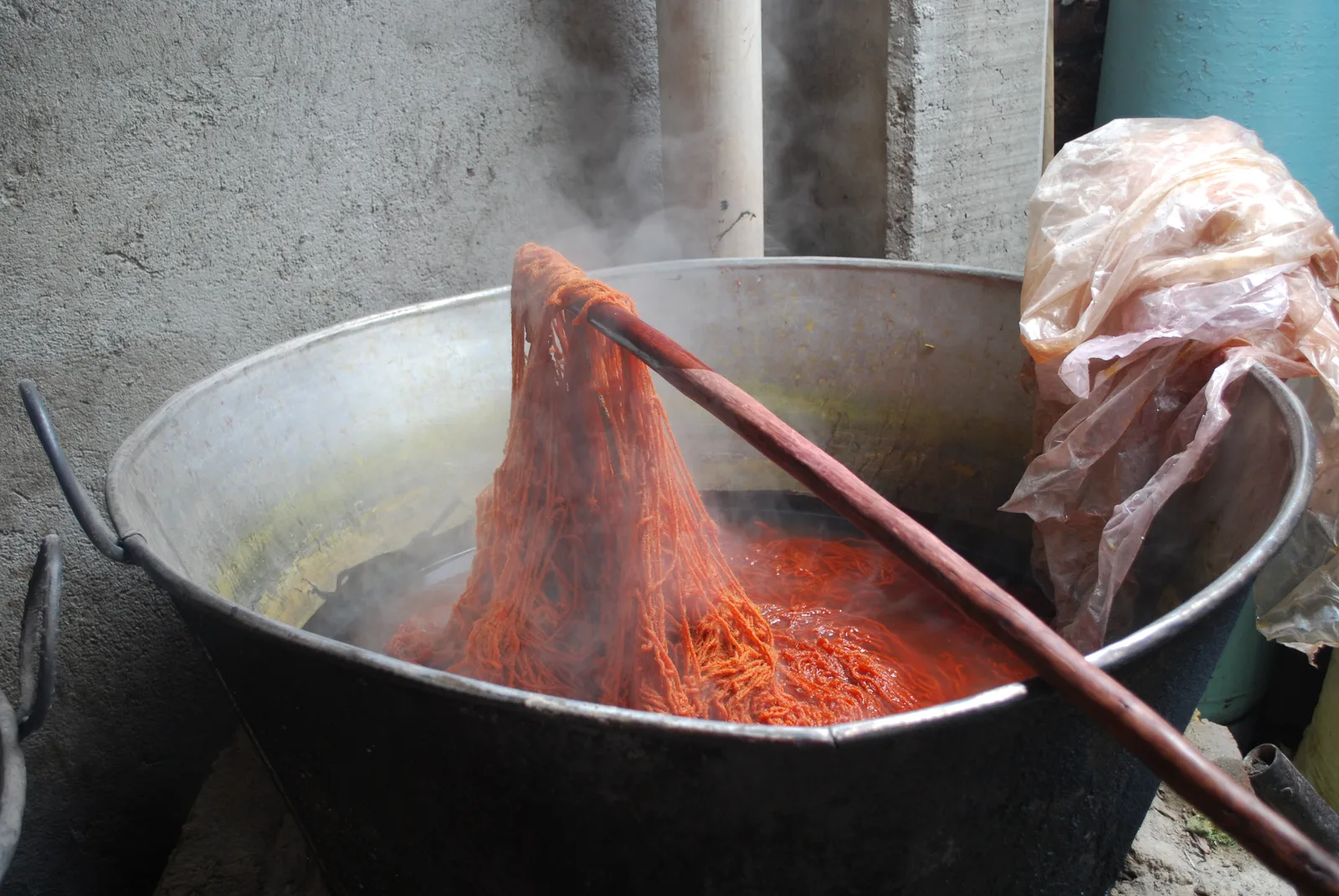
Most indie dyers don't spin their own yarn. They buy undyed bases from mills, often superwash merino, merino-nylon sock blends, mohair-silk or merino-cashmere, and dye them by hand in small batches. Protein fibers like wool, silk, alpaca and mohair are usually dyed with acid dyes, which are set with heat and a mild acid such as citric acid or vinegar. Because two dyers can buy the same base, the quality of an indie yarn comes down to two things: the base they chose, and how carefully they dyed it.
Some indie names have grown into well-known brands without losing the hand-dyed look. Madelinetosh dyes in Texas, Malabrigo kettle-dyes in Uruguay, and Cowgirl Blues dyes by hand in South Africa. Their yarns are a useful benchmark for what consistent hand-dyeing looks like.
Know your colorway types
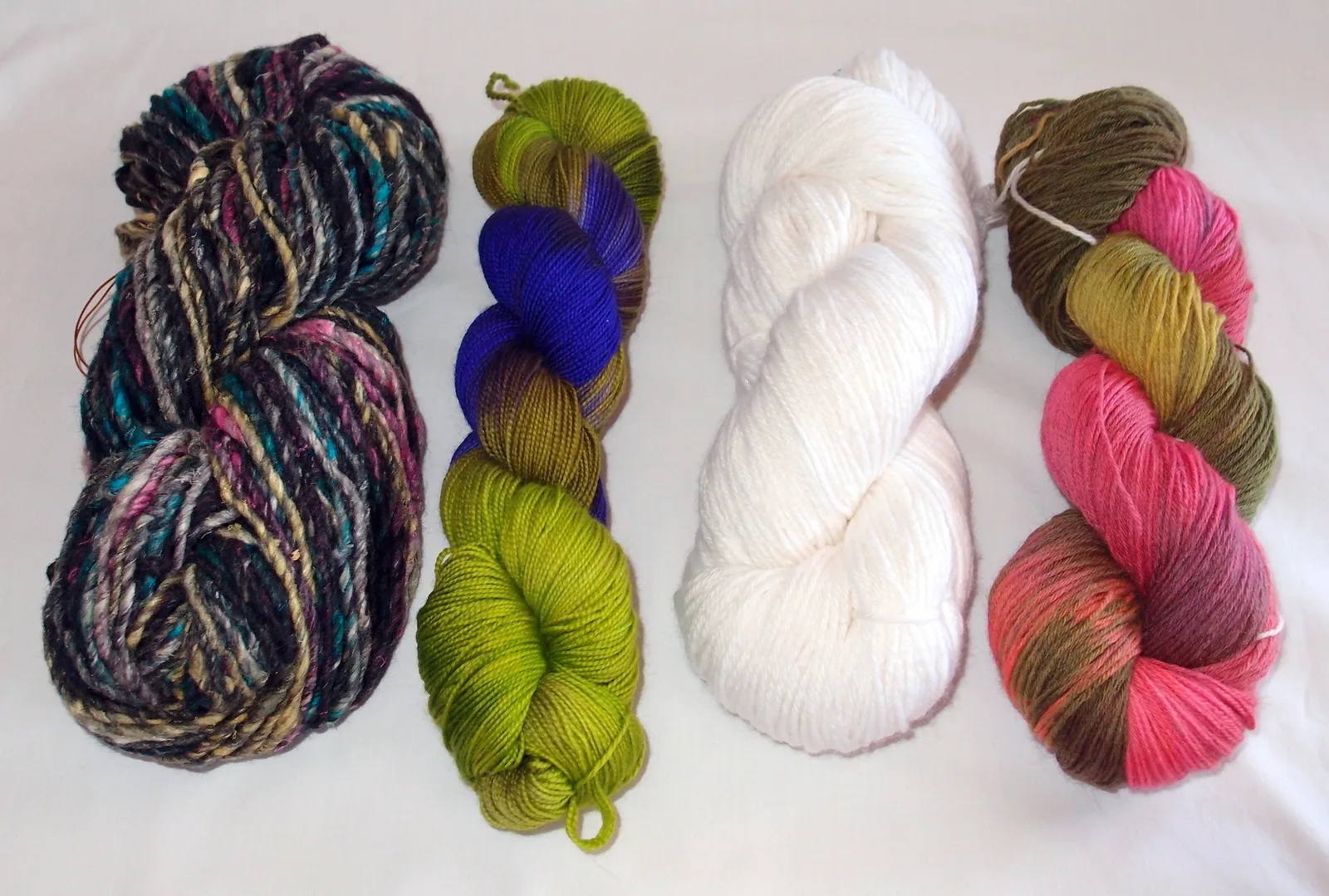
How the dye is applied decides how the yarn knits up. Read the colorway description and photos with this in mind, because a gorgeous skein can make a messy sweater if the dye style doesn't suit the pattern.
| Colorway | What it looks like | Best for |
|---|---|---|
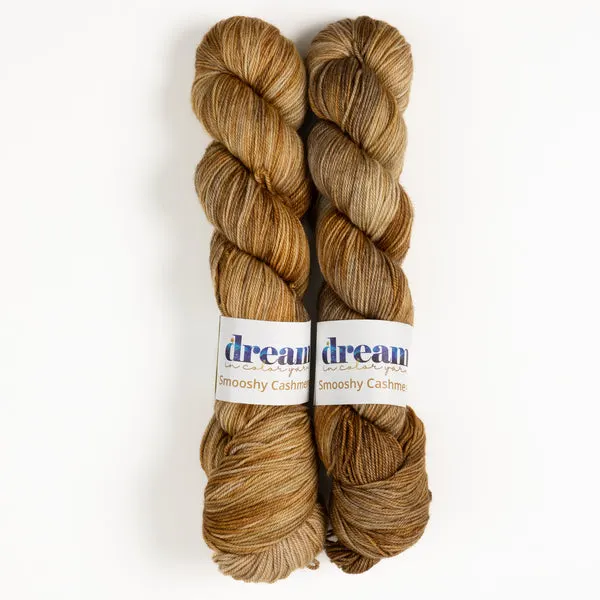
| Tonal (semi-solid) | One color in lighter and darker shades | Cables, lace, sweaters, anything with texture |
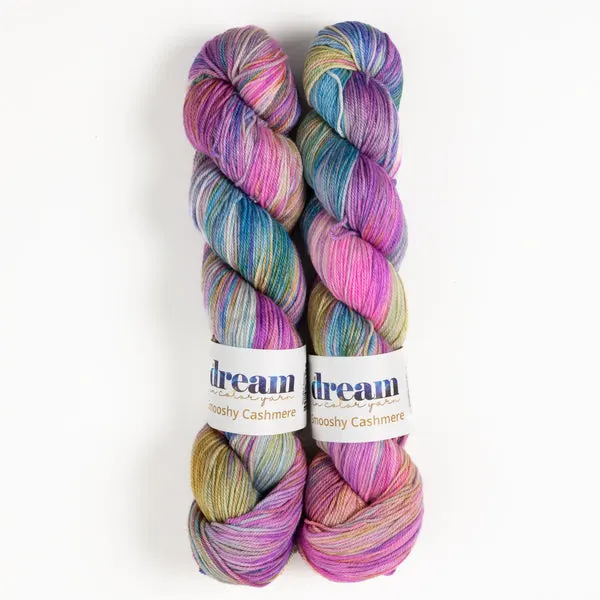
| Variegated | Several colors that change every few inches | Simple stockinette, garter, slipped-stitch patterns |
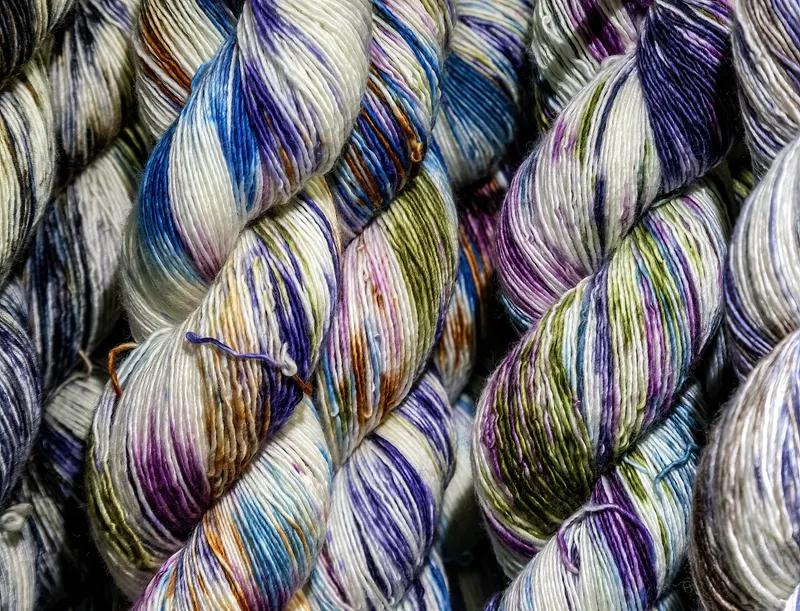
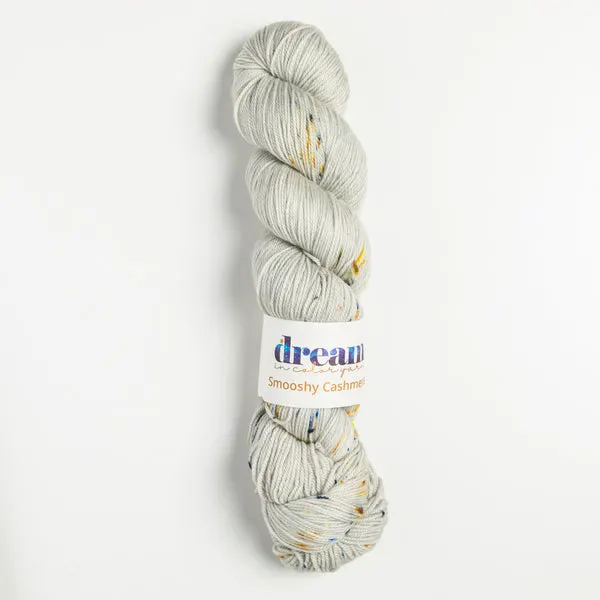
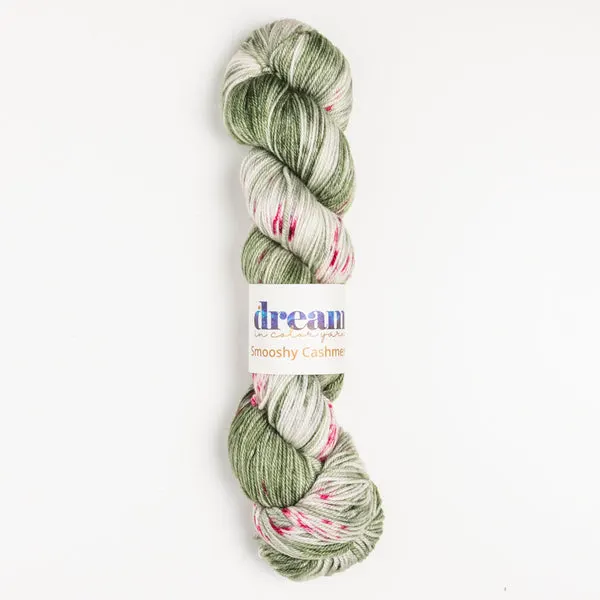
| Speckled | A base color with scattered dots of others | Plain knitting, colorwork accents, socks |
| Gradient | One long, slow shift from color to color | Shawls and scarves without joins |
| Self-striping | Long stretches of color that form stripes | Socks and hats knit in the round |
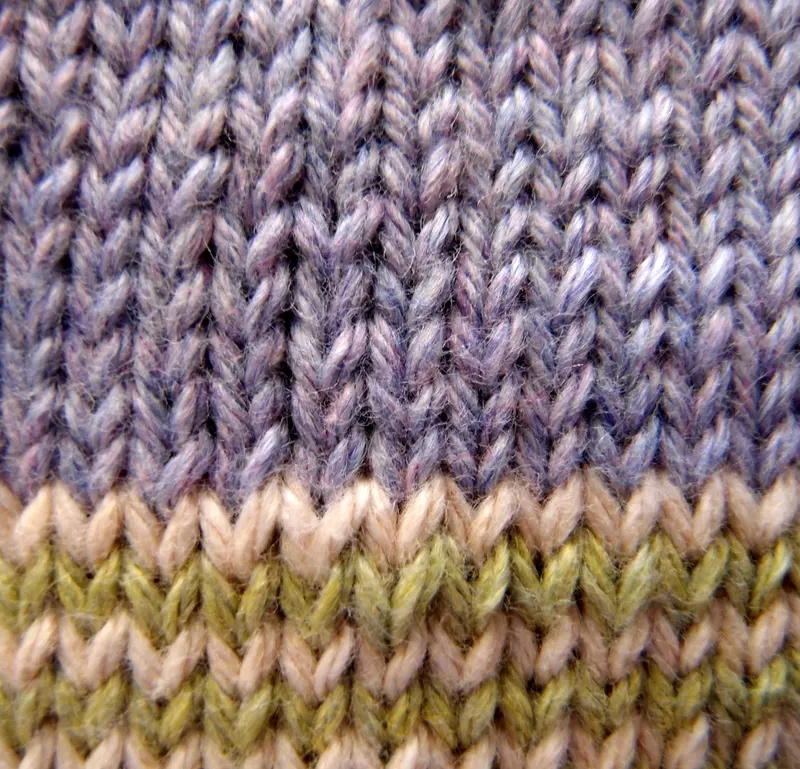
Variegated yarns can also pool: when the length of a color repeat lines up with the width of your knitting, the colors stack into blotches or zigzags. Pooling changes as the stitch count changes, so a sweater can look striped across the yoke and blotchy across the body. A swatch won't always predict it, but a wide swatch of at least 40 stitches gives you a fair warning.
Signs of a well-made skein
- A complete label. Fiber content in percentages, length and weight, care instructions and, ideally, a dye lot. A skein without fiber content or length is a skein you can't plan a project around.
- Even dye penetration. Open the hank and check the inside strands. Slightly paler spots where the skein ties were are normal; large patches of undyed fiber aren't, unless the colorway is meant to look that way.
- Clear rinse water. Well-set dye leaves the yarn when it's meant to: in the dye pot. A little excess in the first wash is common in deep reds, blues and turquoises, but it should stop quickly.
- Balanced twist. The yarn should feel even along its length, without thin, overspun stretches or soft, barely twisted ones.
- The right base for the job. Sock yarns usually include nylon for wear; superwash merino is machine-washable but stretches when wet; non-superwash wool is grippier and holds its shape.
Five tests to run on a new yarn
- Bleed test. Soak a 12 in (30 cm) snippet in warm water for 15 minutes, then press it on a white paper towel. A faint tint is fine; a strong stain means wash the finished piece on its own and keep it away from light colors.
- Twist test. Hold up a 1 yd (1 m) length folded in half. If it twists hard around itself, the yarn is overspun and stockinette may lean on the bias. If it barely holds together, it's underspun and may pill or break.
- Rub test. Rub a strand between your fingers twenty times. If it fuzzes up or sheds, expect pilling where the fabric rubs: cuffs, underarms, the heels of socks.
- Weigh the skein. Hand-dyed skeins can come in a few grams over or under the label. Weigh it and work out the real length before you start a tight-yardage project.
- Wash a swatch. Knit 6 in (15 cm) square, wash it the way you'll wash the finished item and lay it flat. Look for color loss, growth and halo. This tells you more than any product photo.
Skein-to-skein variation, and how to beat it
Hand-dyed skeins vary, even within one dye lot, because every pot and every skein sits a little differently in the dye. That's part of the charm, and the reason for three habits that save larger projects:
- Buy everything at once, from the same dye lot, plus one spare. Dyers rarely reproduce a colorway exactly, so a top-up skein six months later may not match.
- Lay the skeins out in daylight before you wind them, and group the closest matches for the body of a sweater.
- Alternate skeins. Work two rows from one skein, then two from the next, carrying the unused yarn up the side. In the round, switch at the start of each round. It blends small differences into one even fabric.
Alternating doubles the yarn you have on the go, so buy enough to finish with two skeins in play. For a sweater calling for 1,600 yd in Tosh Merino Light, 1,600 ÷ 421 = 3.8, so buy 4, and a fifth makes alternating comfortable to the end.
Hanks need winding first
Most indie yarn comes as a hank, a big twisted loop that tangles if you knit straight from it. Untwist it onto a swift, or around the back of a chair, and wind it into a center-pull cake. A swift and ball winder turn a 400 yd hank into a cake in a few minutes, and winding is a good moment to spot knots, thin spots or undyed patches before they reach your needles.
Specialty indie colorways
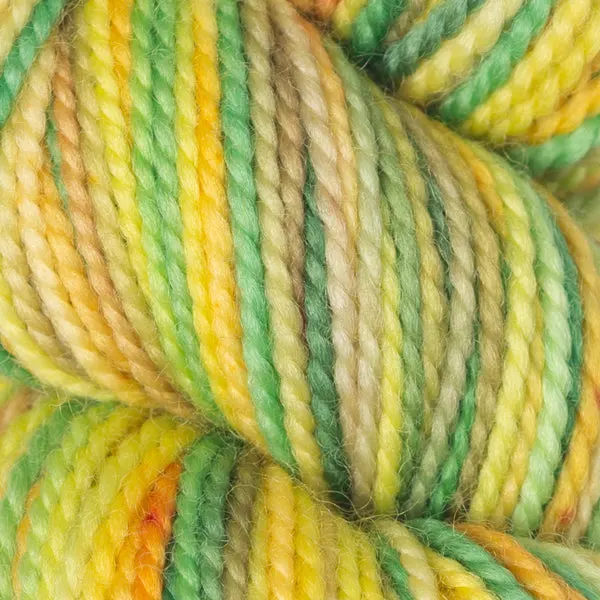
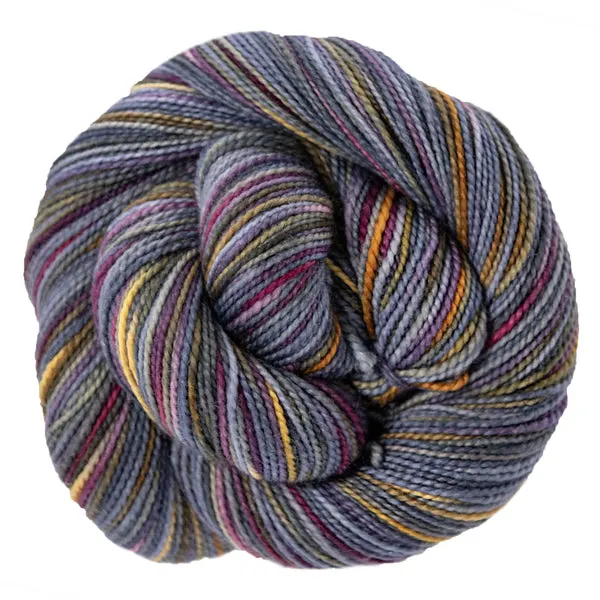
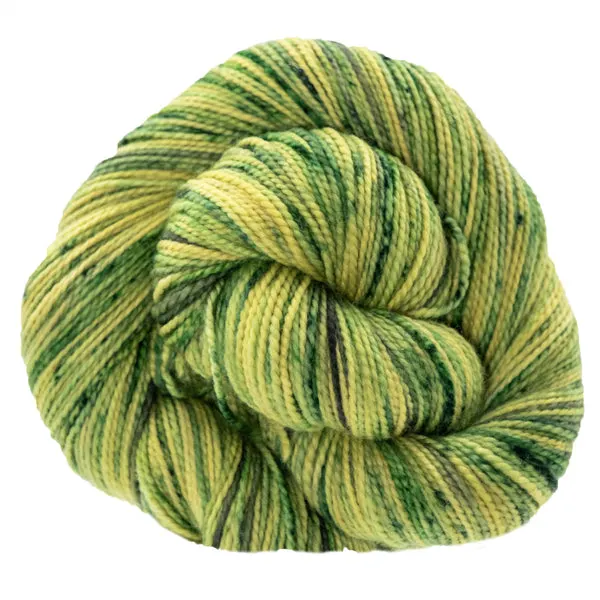
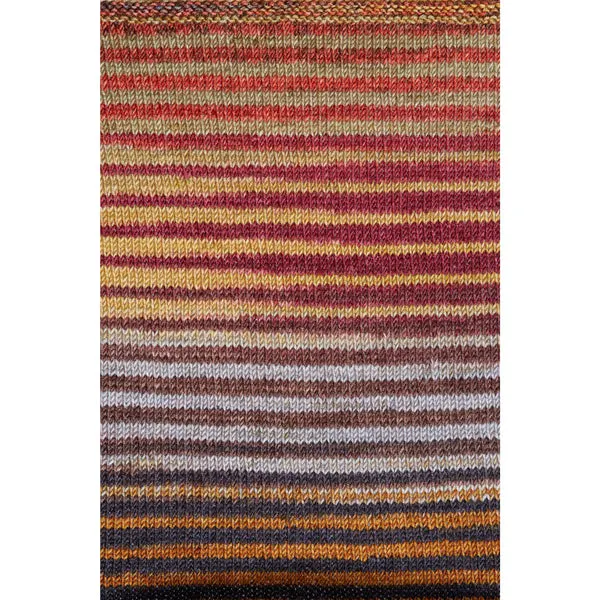
Koigu
KPPPM
Fingering · 175 yds / 50 g
 +4
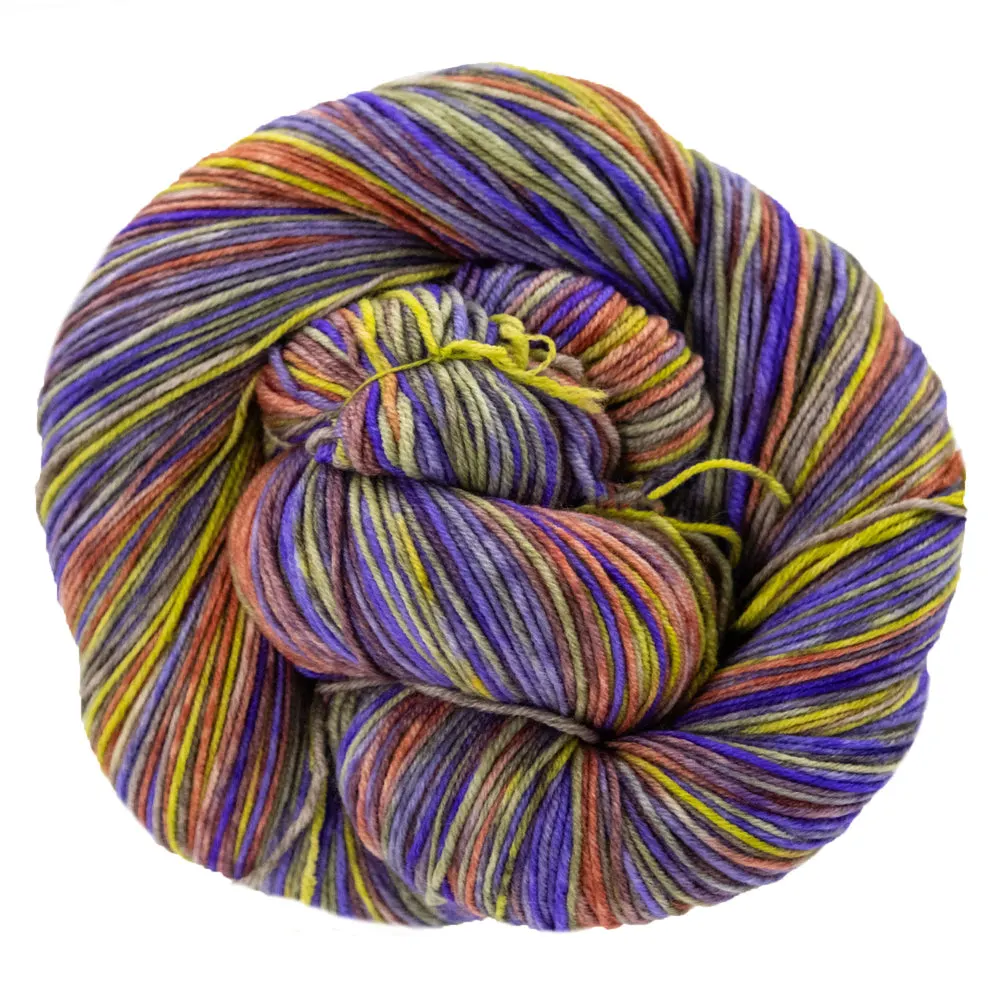
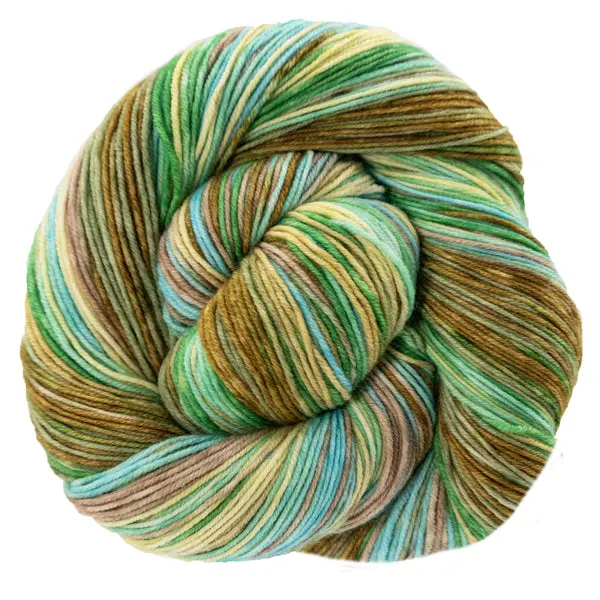
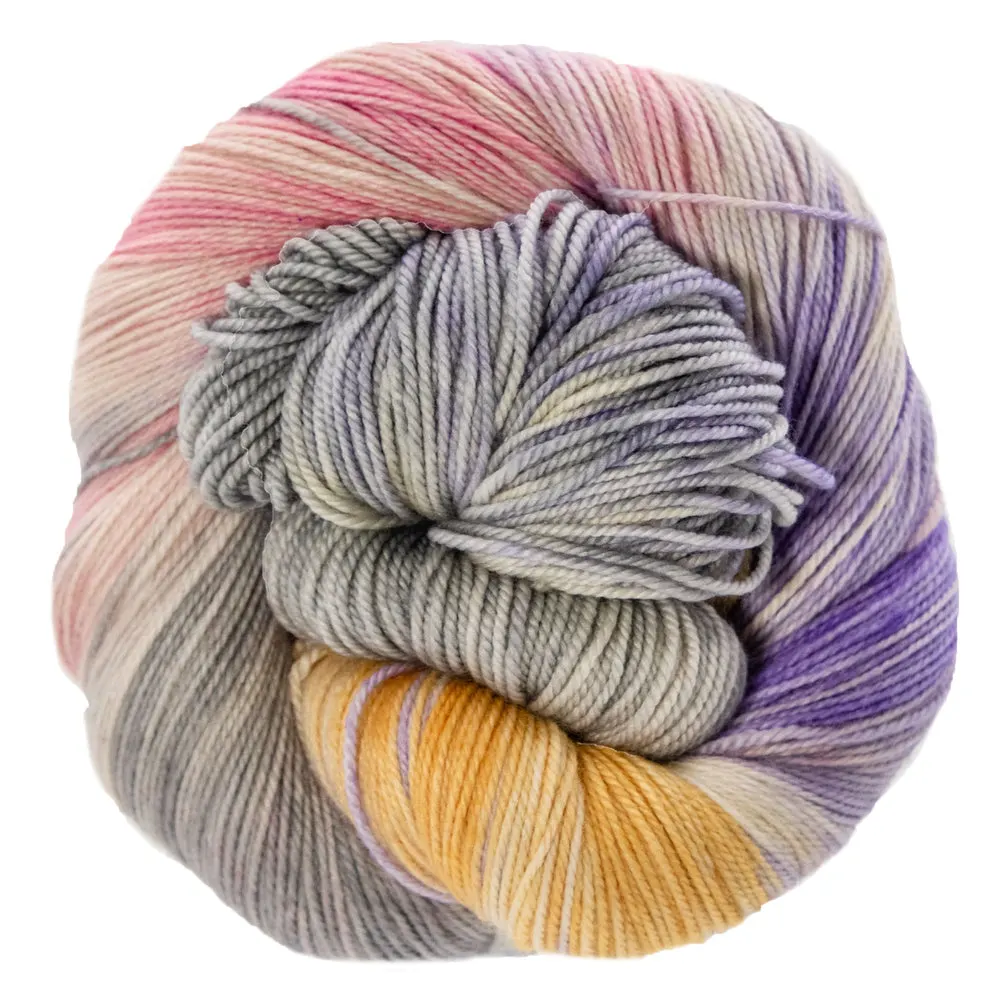
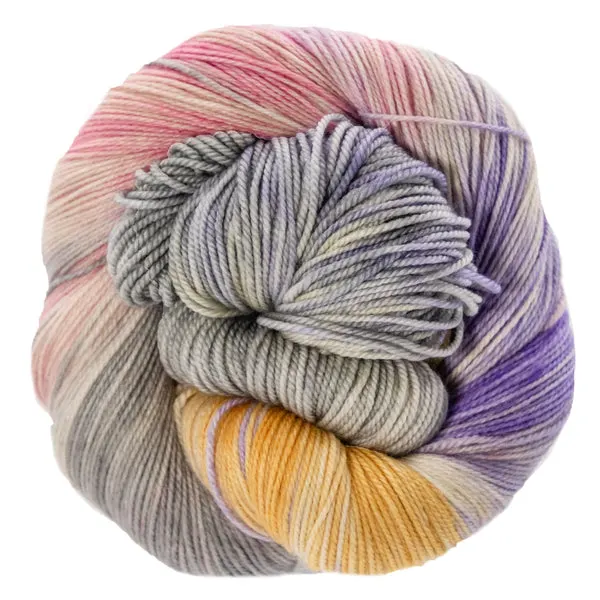
Urth Yarns
Uneek Fingering
Fingering · 435 yds / 100 g
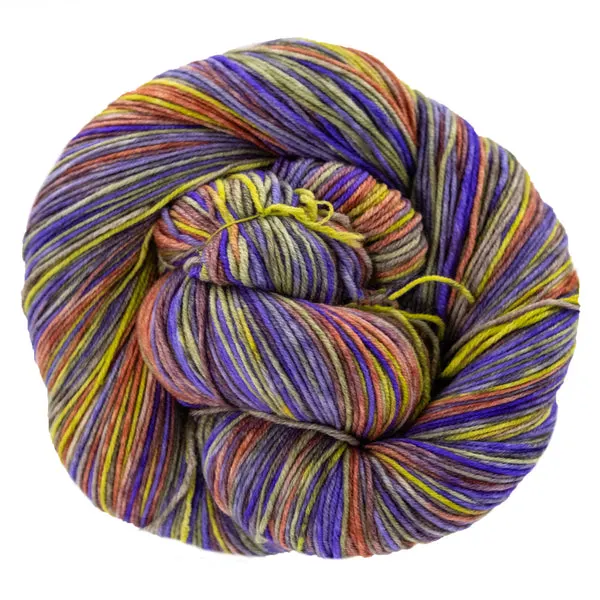
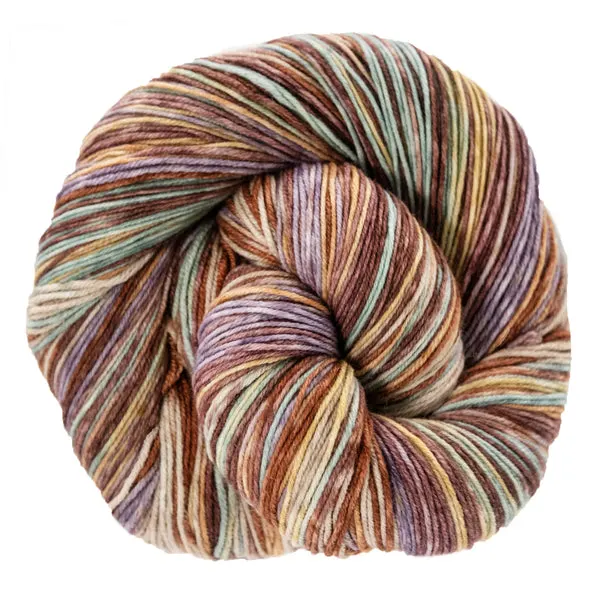
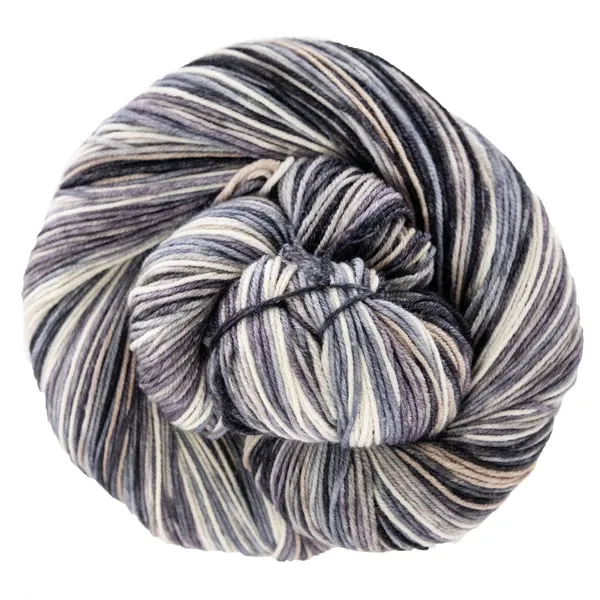
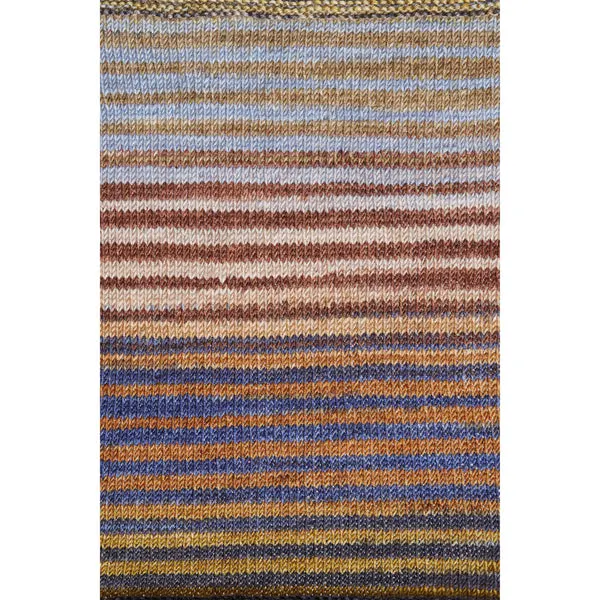
 +4
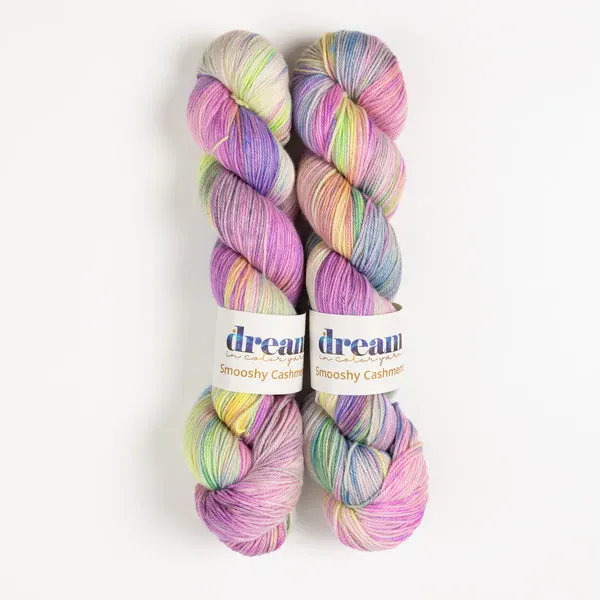
Dream in Color
Smooshy Cashmere
Fingering · 400 yds / 118 g
 +4
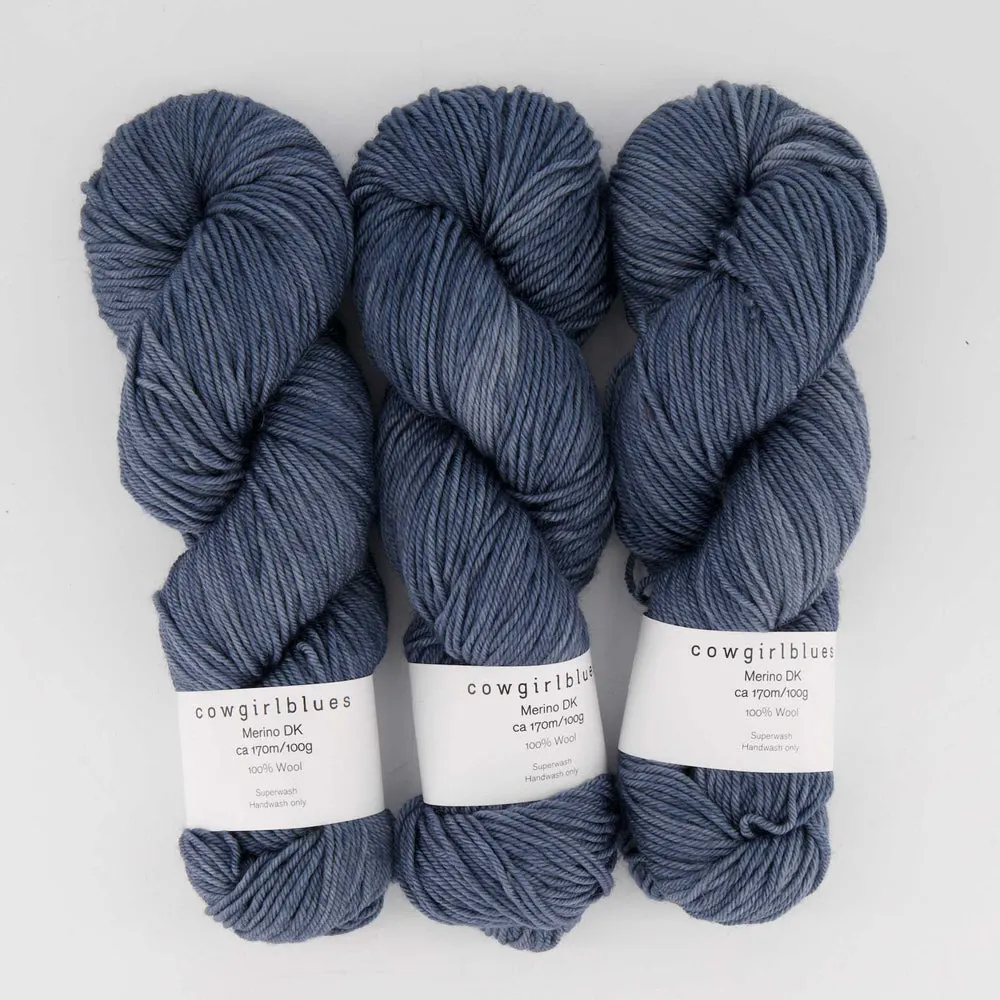
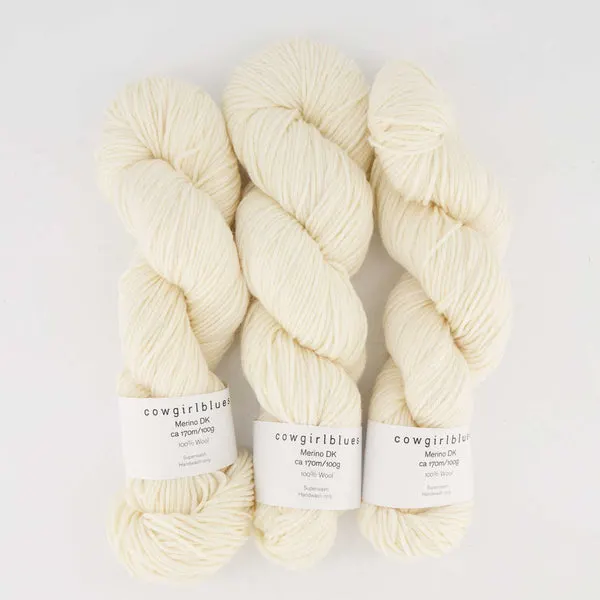
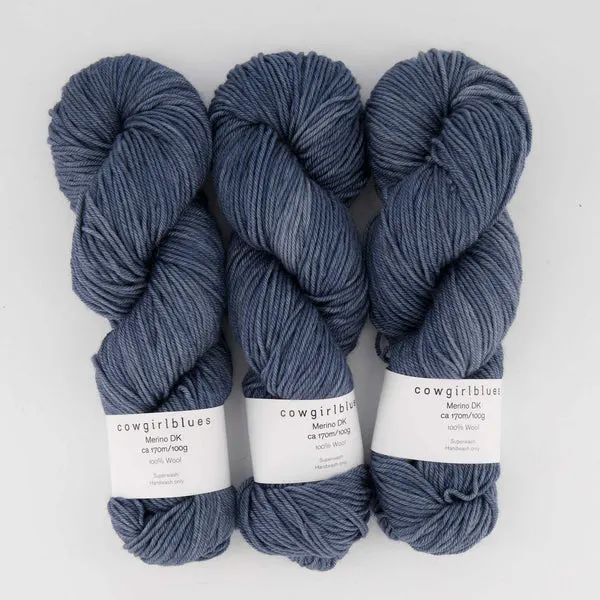
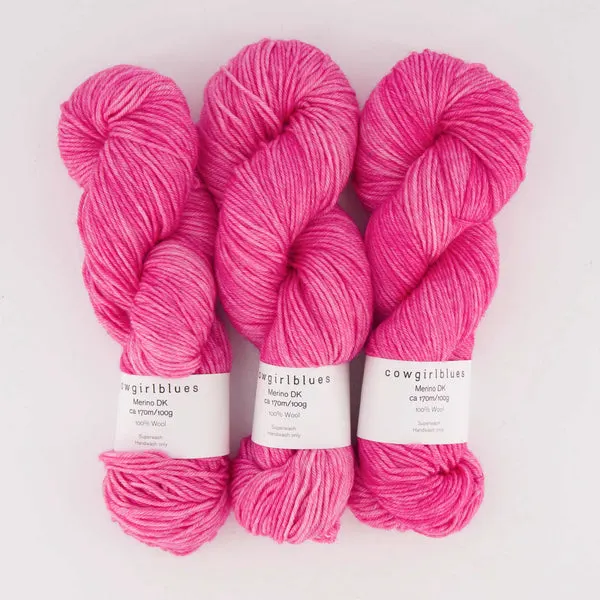
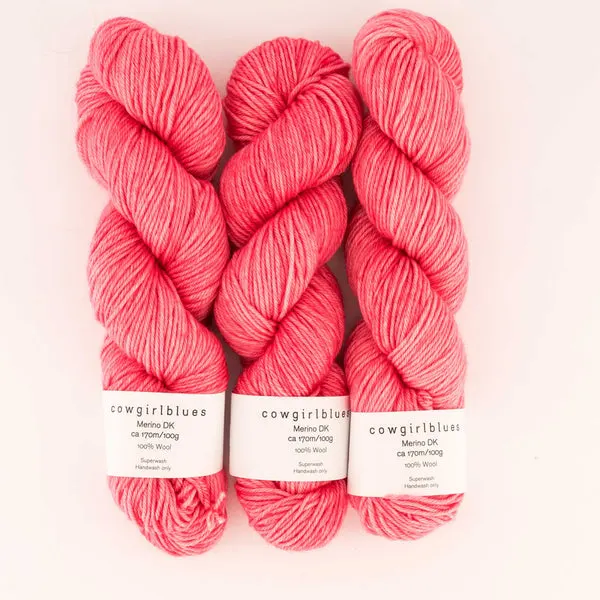
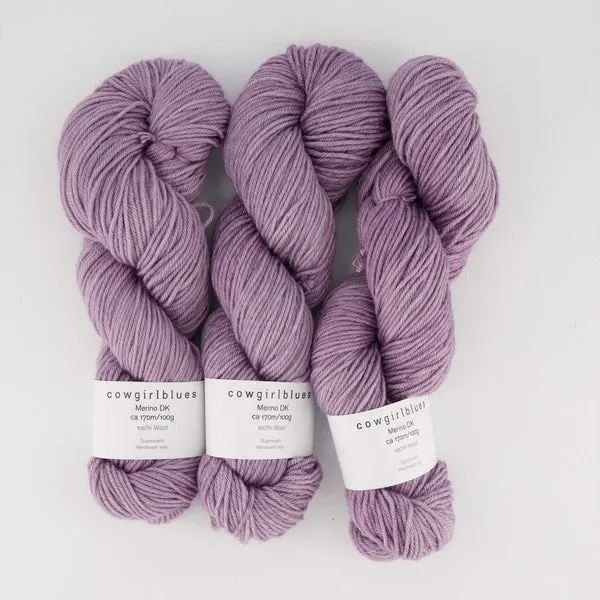
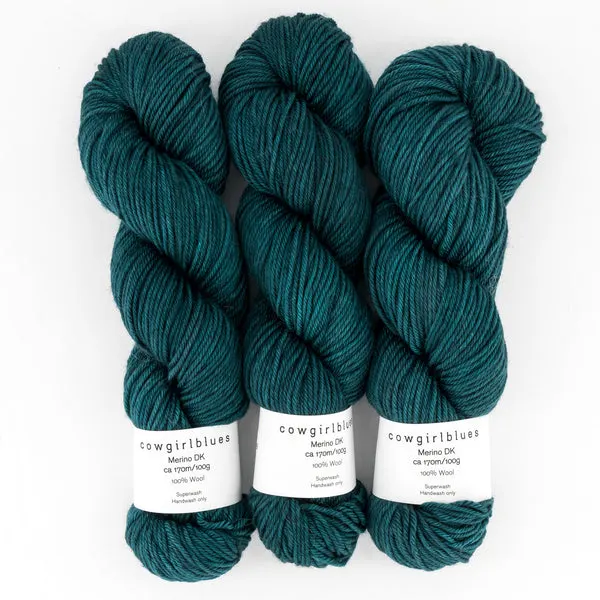
Cowgirl Blues
Merino DK
DK · 186 yds / 100 g
 +4
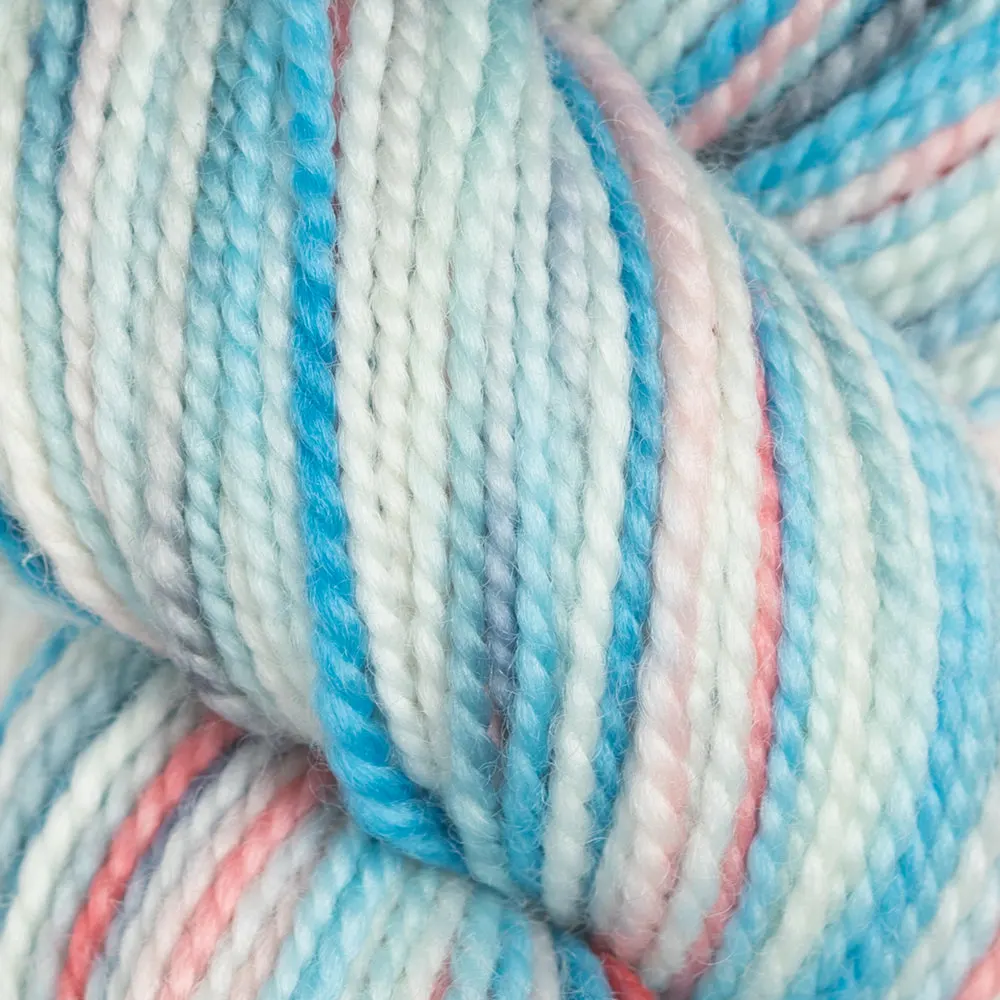
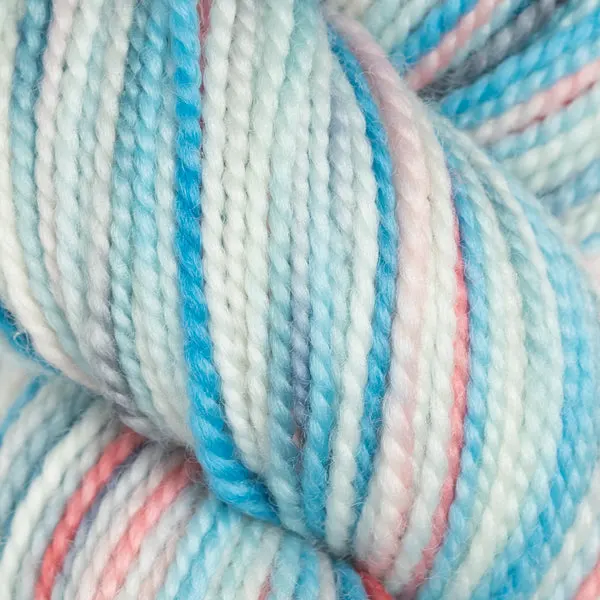
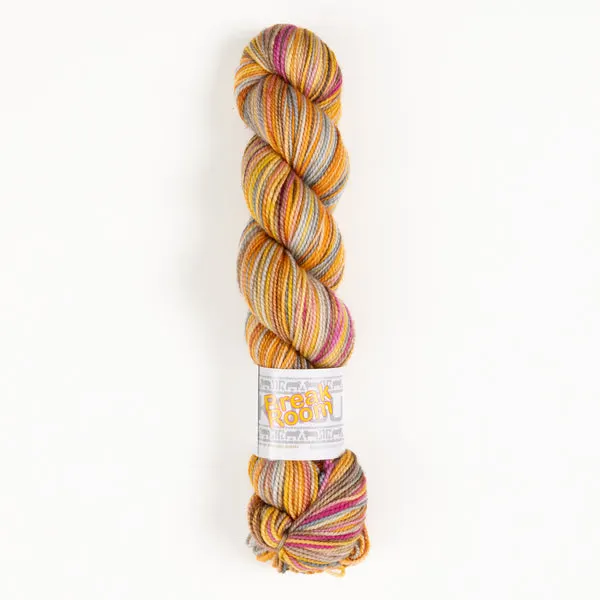
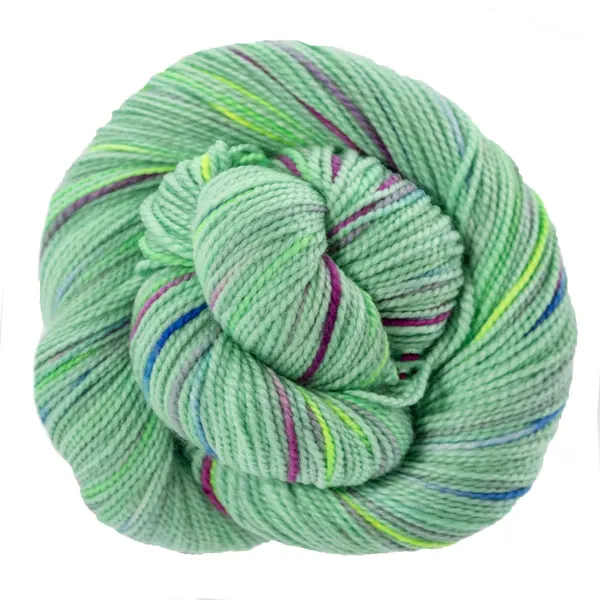
Speckled, gradient, tonal and painterly: four dye styles from four hand-dyers. See more hand-dyed yarn in the shop.
If a skein disappoints
Contact the dyer first, politely, with photos and the dye lot. Small businesses usually want to know about a bad batch and will often replace or refund it. If the yarn can't go back, use it where its flaw matters least: a bleeding red in a single-color hat that's always washed alone, a pilling yarn held together with a strand of mohair-silk like Malabrigo Mohair, or an odd skein in a striped blanket.
Questions
Why do hand-dyed skeins from the same dye lot look different?
Each skein sits slightly differently in the pot and takes up dye at its own rate, so small variations are normal. Alternating two skeins every two rows blends them into an even fabric.
Will vinegar stop hand-dyed yarn from bleeding?
Not reliably. Acid dyes are set with acid and heat during dyeing, so a vinegar rinse won't fix dye that wasn't fully set. Wash the piece separately in cool water with a wool wash until the water runs clear.
Is hand-dyed yarn worth the price?
For colors you can't find elsewhere, often yes. Judge it by the base fiber, the label and a washed swatch rather than the price, and buy enough from one dye lot so you don't run short.