Choosing yarn
Skein vs Hank vs Ball vs Cake: Yarn Put-Ups Explained
Ball, skein, hank and cake are four ways of packaging the same thing. The shape tells you nothing about the yarn's weight or quality, but it does tell you whether you can start knitting tonight or need to wind it first.
Some links in this guide are affiliate links. We earn a commission on purchases made through them, at no extra cost to you.
The four put-ups at a glance
The way yarn is wound for sale is called its put-up. Here's how the four common ones compare:
| Put-up | Shape | Ready to use? | Usually found on |
|---|---|---|---|
| Ball | Round or oval, wound around itself | Yes, from the outside or sometimes the center | Commercial wool and cotton, often in 25 g or 50 g |
| Skein | Oblong, wound lengthwise | Yes, pull from the center | Big-brand acrylics and wool blends |
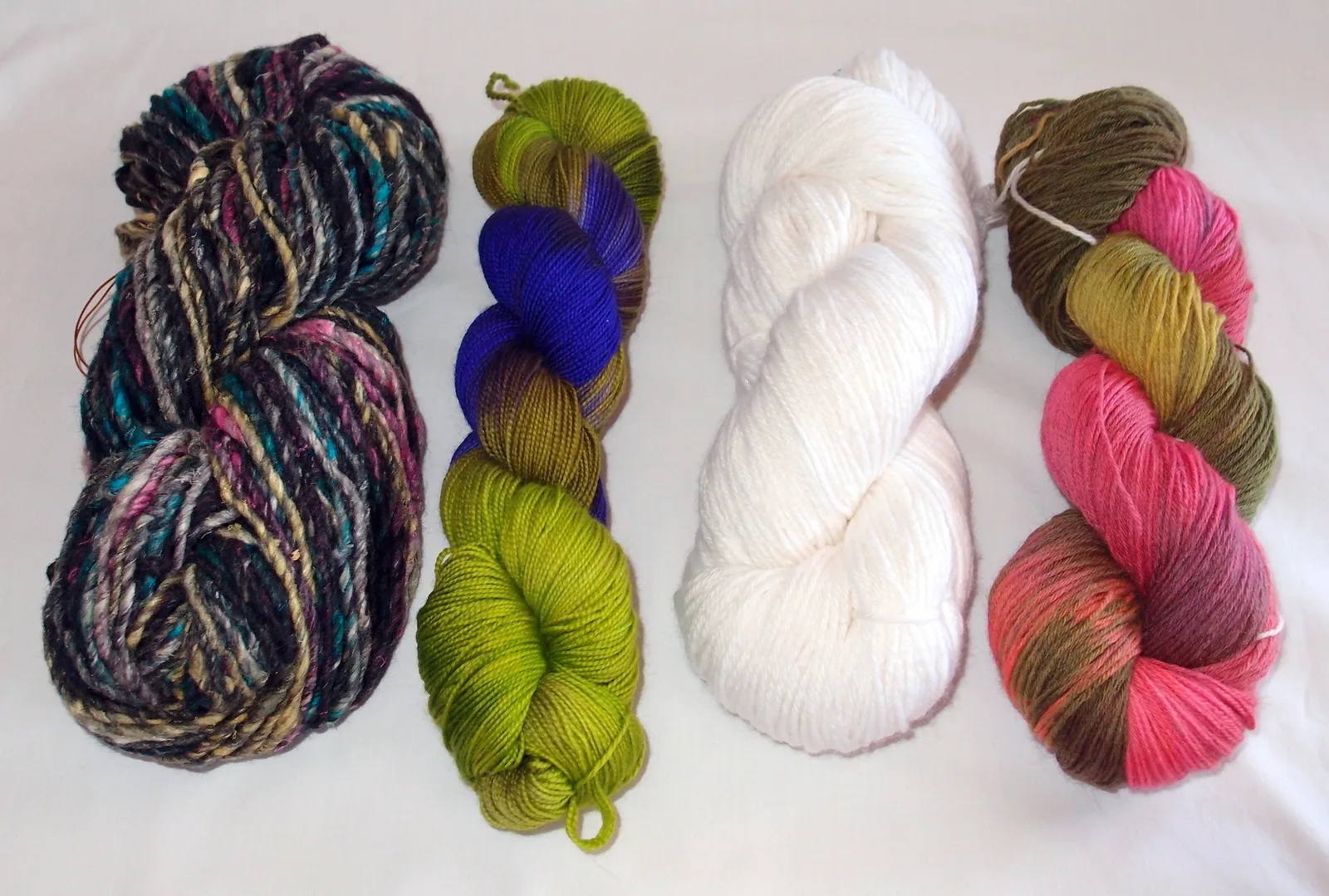
| Hank | A large loop of yarn twisted into a coil | No, it must be wound first | Hand-dyed and small-batch yarns |
| Cake | Flat-topped cylinder from a winder | Yes, pull from the center | Gradient yarns; anything you've wound yourself |
In everyday use, skein is also the catch-all word for one unit of yarn, whatever its shape. A pattern that says "4 skeins" may mean four hanks, and a yarn sold as a hank is often listed as a skein. Read the length on the label rather than the word.
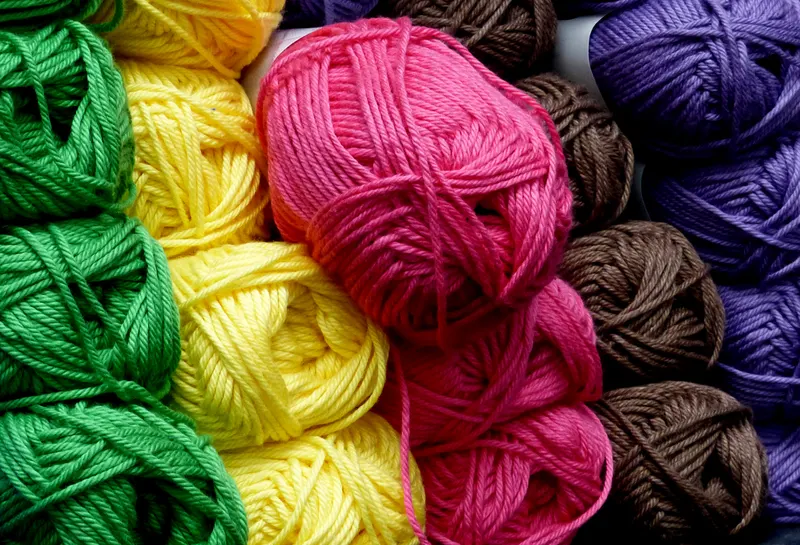
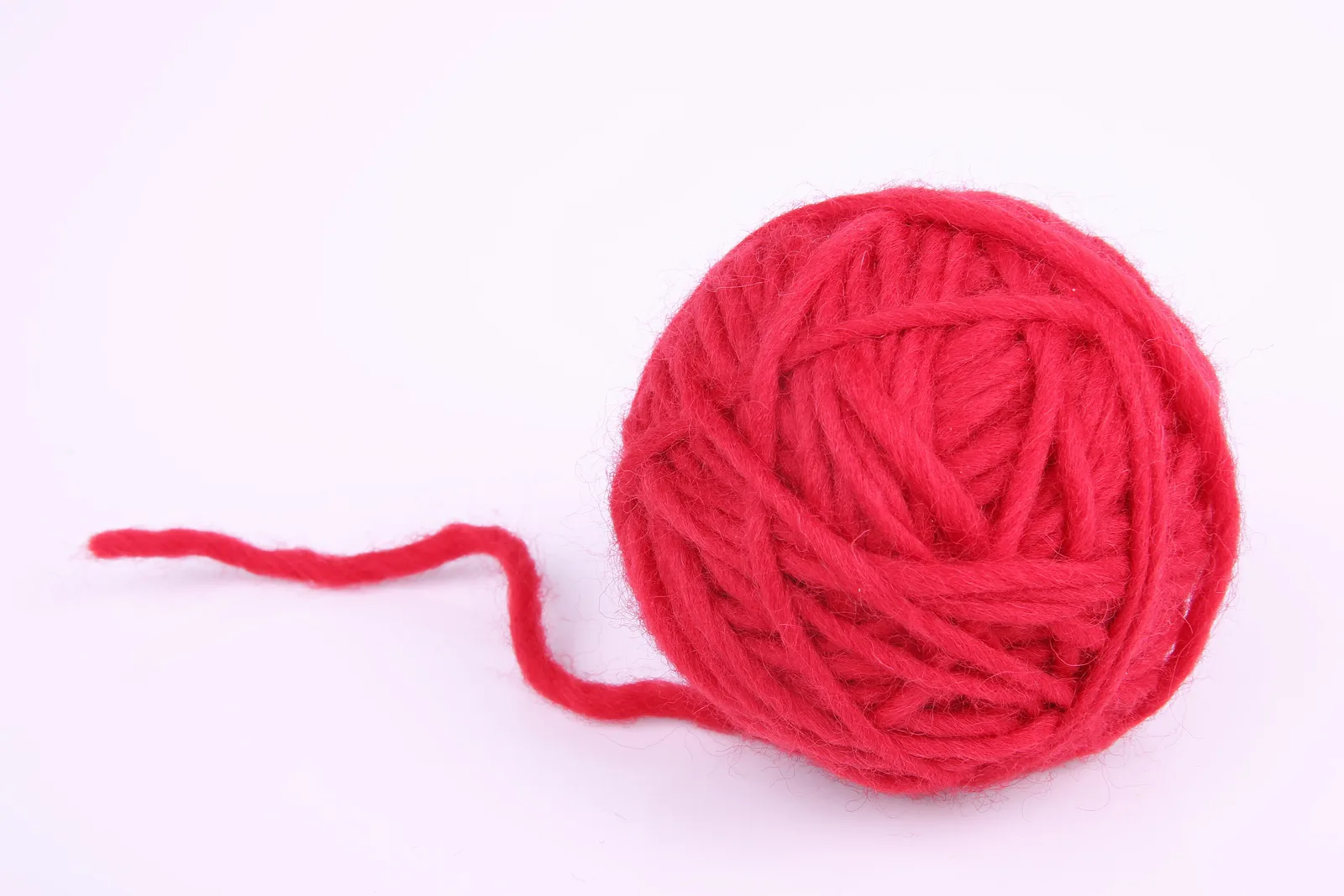
Balls
A ball is the traditional mill put-up, especially for European yarns. Rowan Felted Tweed, for example, comes in 50 g balls of 191 yd. Most balls can be worked from the outside, though they'll roll around as you pull. Many are wound so you can also find the inner end and pull from the center, which keeps the ball still.
Skeins
A pull skein is the oblong bundle familiar from craft-store shelves. It's designed to be worked from the center, so it sits still while you knit. The catch is finding that center end: you'll often pull out a clump of yarn (yarn barf) along with it. Squeeze the skein gently from both ends to feel for the hollow core before you dig in. As it empties, a skein can collapse in on itself; at that point it's worth rewinding what's left into a ball.
Hanks
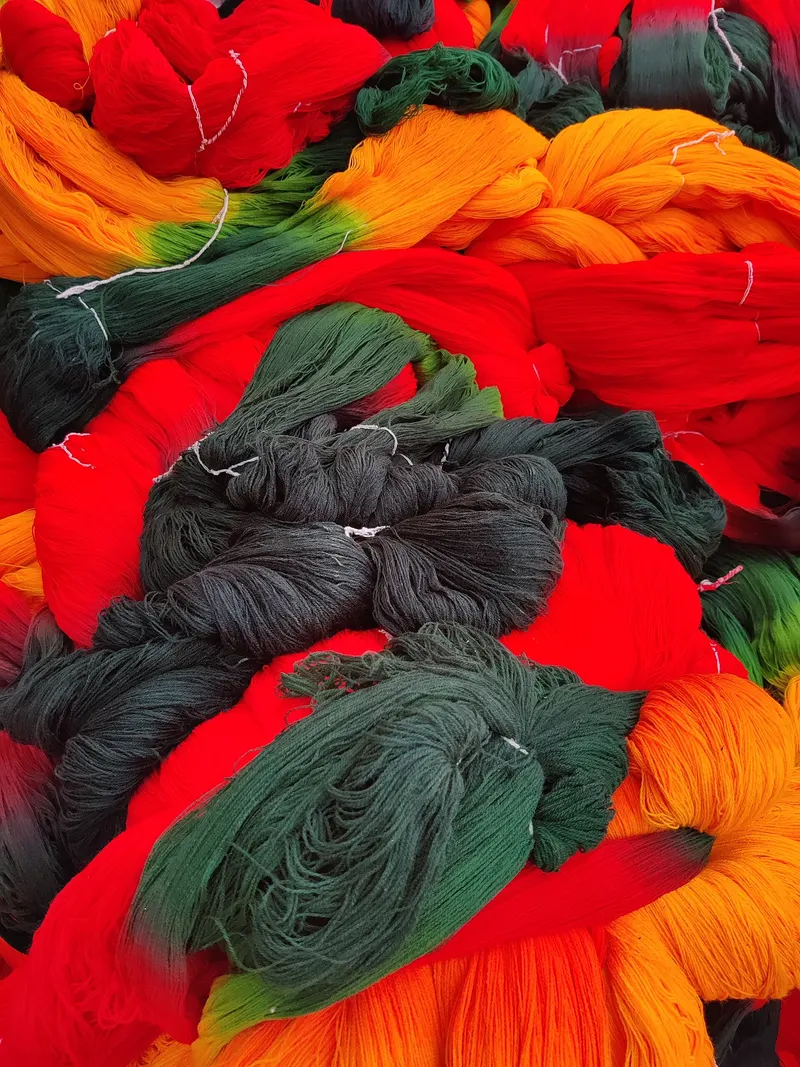
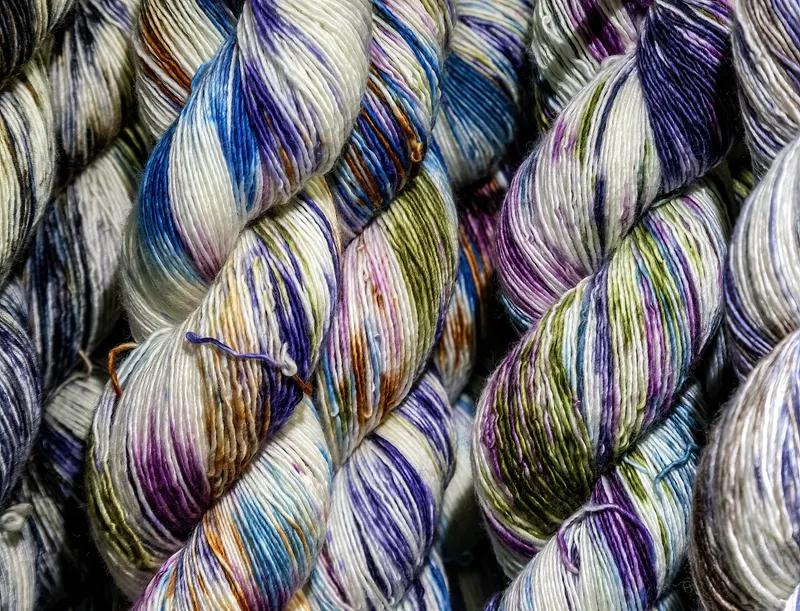
A hank is yarn wound into a big loop, tied loosely in several places and twisted into a neat coil. It's the standard put-up for hand-dyed yarn because the yarn has to be in a loop to be dyed evenly, and leaving it that way means no extra winding before sale. Yarns like Malabrigo Rios and Koigu KPPPM arrive this way.
You can't knit from a hank as it is. Untwist it and pull an end, and it will tangle within a few yards. It has to be wound into a ball or cake first. The upside: hanks store compactly, don't tangle while they're twisted, and keep the yarn relaxed rather than under tension.
How to wind a hank
- Untwist the hank and open it into a loop. Find the ties: usually two to four short pieces of yarn knotted around the strands.
- Put the loop around a swift, the backs of two chairs, or a helper's hands. Keep it taut but not stretched.
- Snip or untie the ties, taking care not to cut the yarn itself. Find the outer end; it's often knotted to one of the ties.
- Wind with a ball winder, or by hand around two or three fingers so the ball stays soft. Turn the swift or walk the yarn off the chairs as you go.
- If the strands start to snag, stop and ease them apart before pulling further. Pulling harder only tightens a tangle.
Cakes
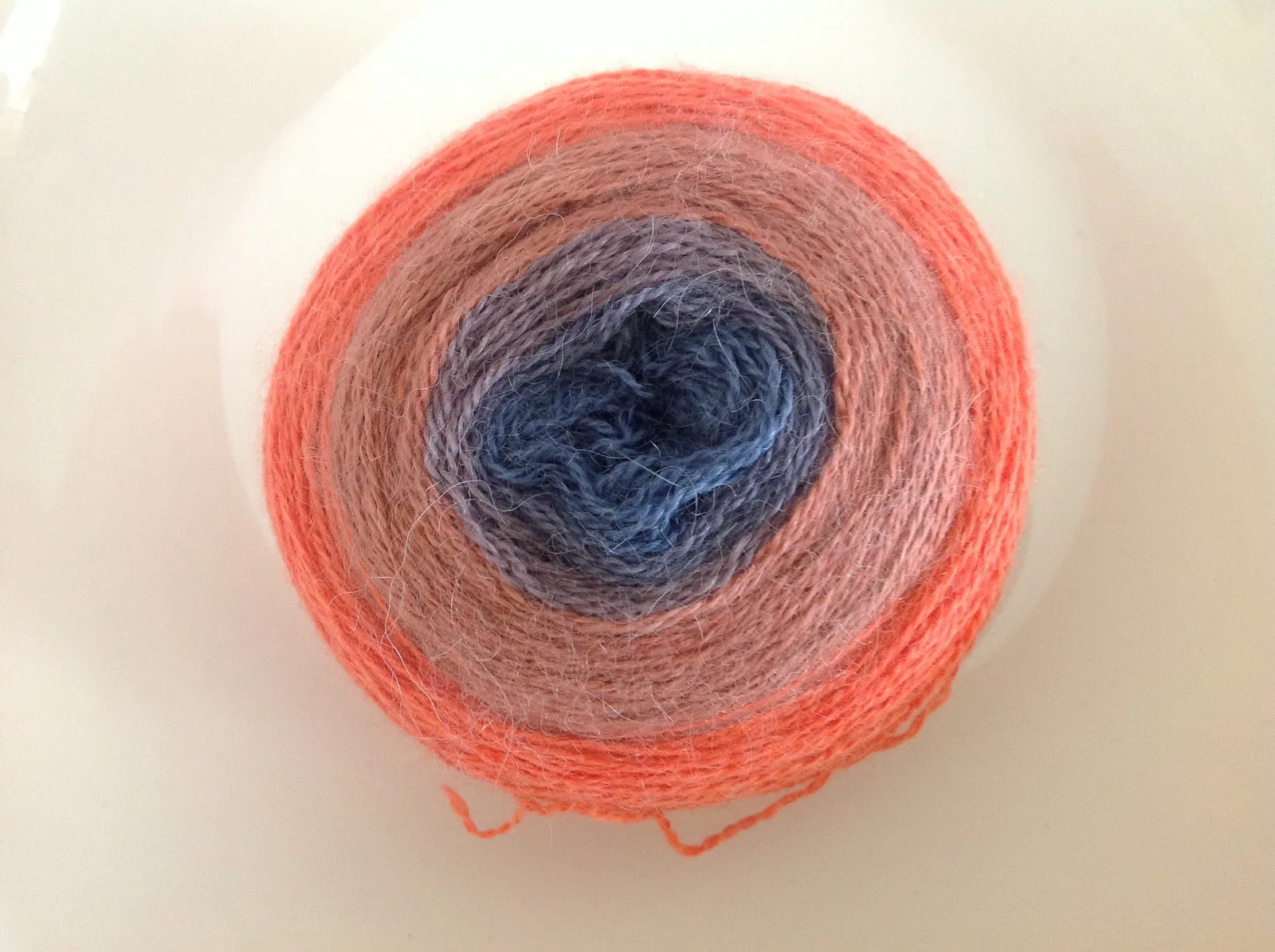
A cake is what a ball winder makes: a flat-topped cylinder that sits still on a table and feeds from the center. Cakes stack neatly in a project bag, and the outer layers show you the colors in a variegated or gradient yarn before you knit them. Some gradient and color-changing yarns are sold ready-wound as cakes.
Put-up doesn't change the yarn, but check the length
A hank, a ball and a skein of the same yarn knit up identically. What changes between brands is how much yarn each unit holds, and that's what to compare when you shop:
| Yarn | Put-up | Weight | Length |
|---|---|---|---|
| Rowan Felted Tweed | Ball | 50 g | 191 yd |
| Rowan Kidsilk Haze | Ball | 25 g | 229 yd |
| Madelinetosh Tosh DK | Hank | 112 g | 228 yd |
| Malabrigo Rios | Hank | 100 g | 210 yd |
| Jamieson's of Shetland Spindrift | Ball | 25 g | 115 yd |
If a pattern calls for 5 hanks of a 228 yd yarn, that's 1,140 yd. A substitute sold in 191 yd balls needs 6 of them (1,140 ÷ 191 = 5.97, rounded up); one sold in 115 yd balls needs 10. Our guide to substituting yarn walks through this in more detail.
Questions
Is a skein the same as a hank?
Strictly, no: a skein is a center-pull bundle you can knit from directly, and a hank is a twisted loop that has to be wound first. In practice many shops and patterns use "skein" for both, so check the product photo.
Can I knit straight from a hank?
No. Once the ties are off, the loop collapses and tangles almost immediately. Wind it into a ball or cake first, by hand or with a swift and ball winder.
Can I wind a hank without a swift?
Yes. Stretch the loop around the backs of two chairs, your knees, or a helper's outstretched hands, and wind by hand. It's slower, but the result is just as usable.