Learn to knit & crochet
Knitting vs Crochet: Which Should You Learn First?
Knitting and crochet both turn a strand of yarn into fabric, but they get there differently and they're good at different things. The right first craft depends less on which is easier and more on what you want to make. Here's how they compare.
Some links in this guide are affiliate links. We earn a commission on purchases made through them, at no extra cost to you.
The basic difference
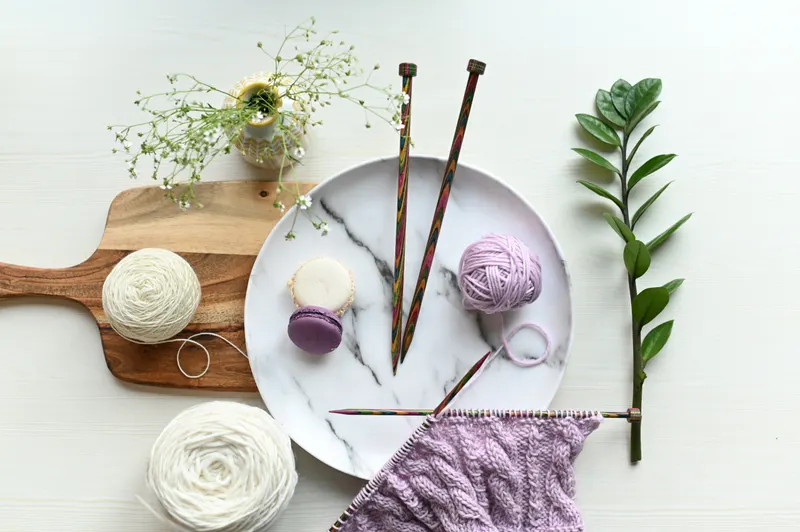
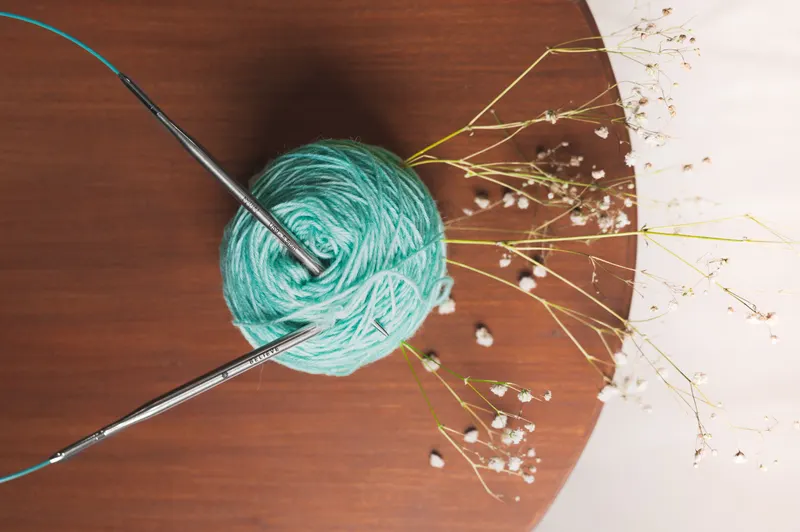
Knitting uses two needles (or one circular needle) and keeps a whole row of stitches live at once. Each new stitch is a loop pulled through a loop on the needle, and the result is a fabric of interlocking V's.
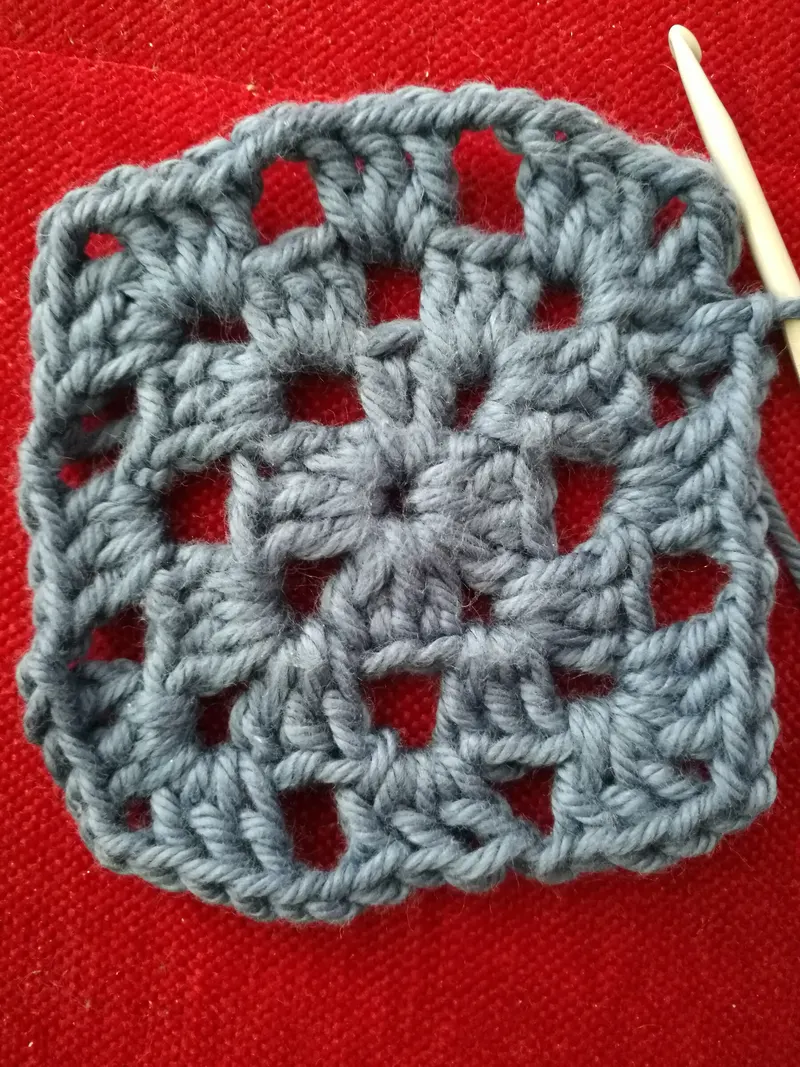
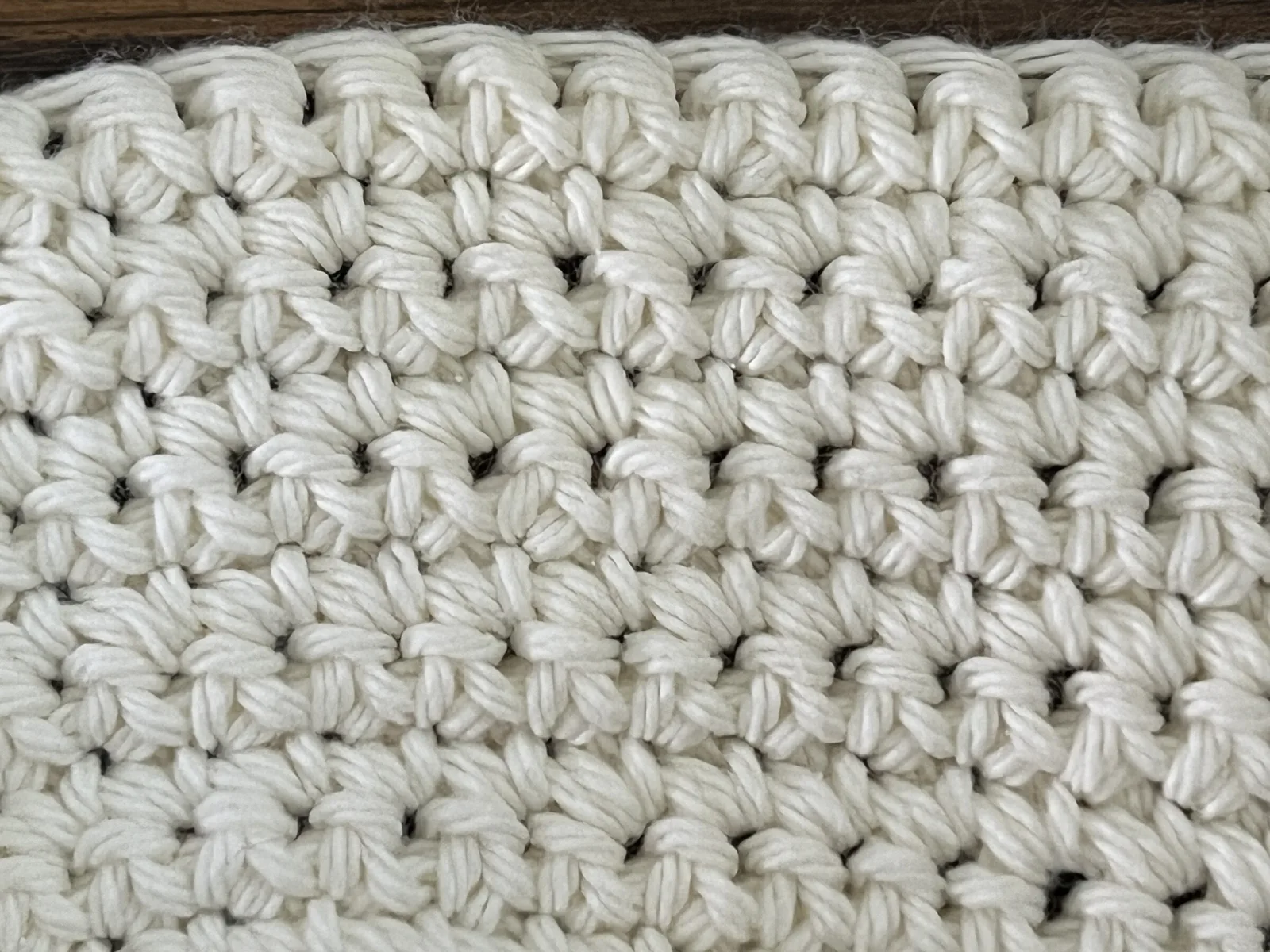
Crochet uses a single hook and has just one live loop at a time. Each stitch is completed before you start the next, and stitches are built by wrapping and pulling loops through in different combinations. The fabric is made of knots stacked on knots, which makes it thicker and firmer.
| Knitting | Crochet | |
|---|---|---|
| Tools | Two needles or a circular needle | One hook |
| Live stitches | A whole row or round | One loop |
| Fabric | Thinner, stretchy, drapey | Thicker, firmer, more structured |
| Fixing mistakes | Dropped stitches can run; needs care | Pull out to the mistake and pick up the loop |
| Speed | Slower per row | Usually faster, as stitches are taller |
| Yarn use | Less for the same area | More for the same area |
| Best at | Sweaters, socks, fitted garments | Blankets, motifs, baskets, lace, 3D shapes |
Which is easier to learn?
Most people find crochet quicker to start. There's one tool and one live loop, so you can't drop a row of stitches off the needle, and if you go wrong you pull the yarn back to the error and carry on. The harder part is seeing where to put the hook: crochet stitches are less obvious to read at first, and beginners often lose or gain stitches at the ends of rows.
Knitting has a steeper first hour. Holding two needles and keeping stitches from sliding off feels awkward, and a dropped stitch can run down several rows. But there are only two stitches to learn, knit and purl. Almost everything else in knitting is a combination of those two.
What do you want to make?
This is the question that decides it. Each craft's fabric suits different things.
- Choose knitting for sweaters, cardigans, socks and fitted hats. Knit fabric stretches and recovers, which is what ribbed cuffs and close-fitting garments need, and it drapes softly in fine yarns.
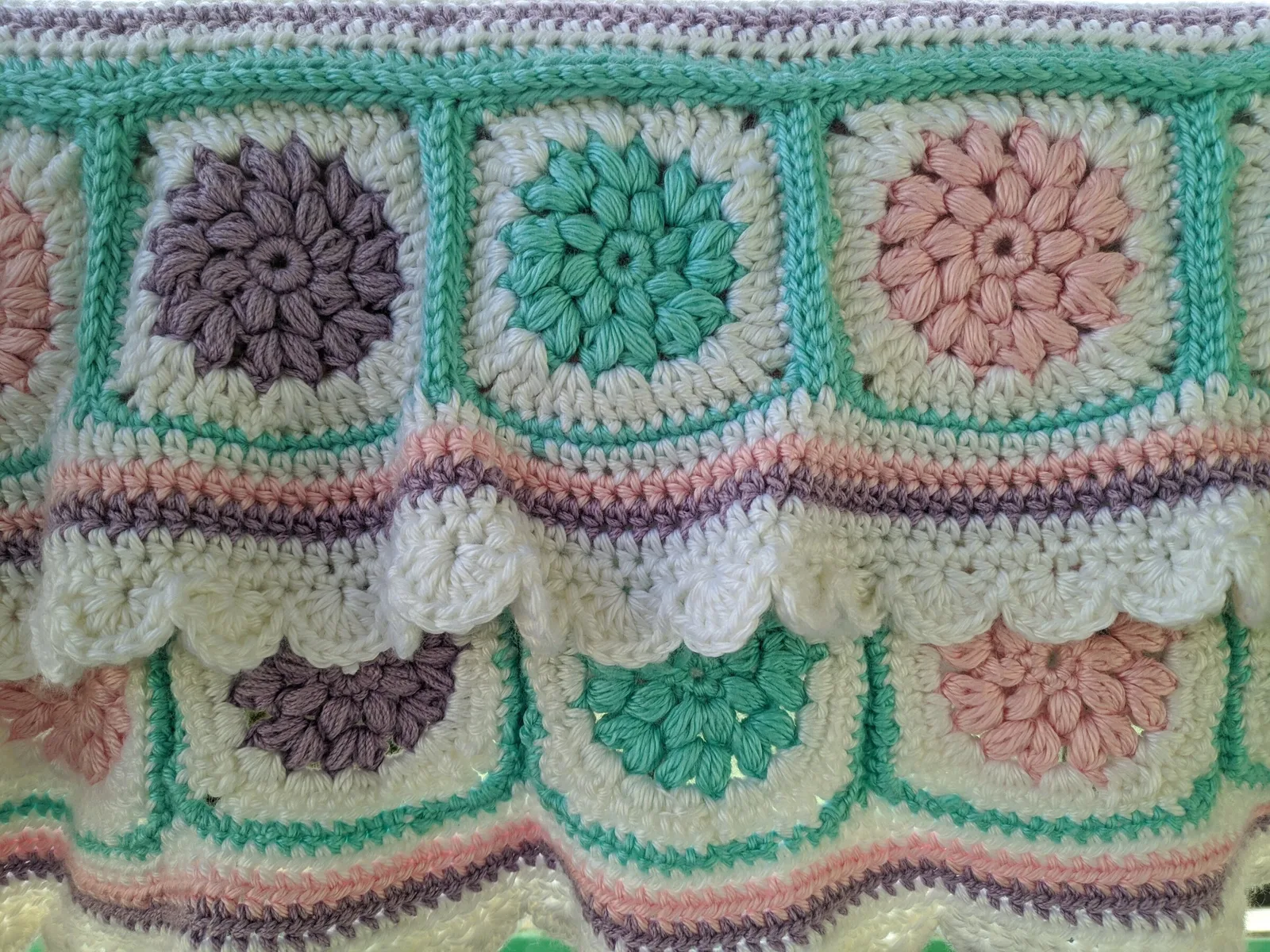
- Choose crochet for blankets, granny squares, baskets, bags and home decor. Crochet's firm fabric holds its shape, motifs join easily, and it can build three-dimensional shapes that knitting struggles with.
- Either works for scarves, cowls, shawls and simple hats. Crochet lace is quick and open; knitted lace is finer.
Speed and yarn use
Crochet stitches are taller than knit stitches, especially double and treble crochet, so a crochet project usually grows faster. The trade-off is yarn: crochet fabric is thicker and generally takes more yarn to cover the same area. A crochet blanket in worsted weight can need noticeably more skeins than a knitted one of the same size, so always buy from the pattern's yardage, not a knitting pattern's.
Tools and cost
Both are cheap to start. For a first project in worsted-weight yarn, you need one skein and one tool:
| Knitting | Crochet | |
|---|---|---|
| Starter tool for worsted | US 7–9 (4.5–5.5 mm) needles | I-9 (5.5 mm) or H-8 (5 mm) hook |
| Also handy | Tapestry needle, scissors, stitch markers | Tapestry needle, scissors, stitch markers |
| Building a collection | Several sizes and cable lengths, or an interchangeable set | A set of hooks from about 2.25 mm to 10 mm |
Crochet stays cheaper as you go: hooks are small and a full set doesn't cost much. Knitters need needles in different sizes and lengths, which is why so many end up with an interchangeable set. Good tools are worth it for comfort in either craft: a hook with a shaped handle, like the Furls Streamline Wood, or a smooth needle such as the Lantern Moon Ebony circular, makes long sessions easier on the hands.
Portability
Crochet travels well: one hook and a ball of yarn fit in a pocket, and with only one live loop there's nothing to slide off when you stuff it in a bag. Knitting on a circular needle is nearly as portable, and socks on short needles are a classic commuter project. Big projects are bulky in either craft, though a crochet blanket made in squares stays small until you join it.
Why not both?
The skills overlap more than they seem: reading yarn labels, swatching for gauge, choosing fibers and substituting yarn all work the same way. Many makers knit garments and crochet blankets, or add a crochet edging to a knitted piece. Learning one first makes the second much faster, so pick the one that matches the project you most want to make, and start there: see how to crochet for beginners or how to start knitting.
Questions
Is crochet easier than knitting?
For most beginners, crochet is quicker to start, because there's one hook and one live loop and mistakes are easy to undo. Knitting has fewer basic stitches but a more awkward first few hours.
Does crochet use more yarn than knitting?
Generally, yes. Crochet fabric is thicker, so it takes more yarn to cover the same area. Always buy by the yardage given in your pattern.
Can I use the same yarn for knitting and crochet?
Yes. Yarn isn't specific to either craft. Smooth, light-colored worsted wool or cotton is the easiest to learn on in both.