Yarn fibers
Silk and Cashmere Yarn: Are Luxury Fibers Worth It?
Silk and cashmere cost several times as much as wool, and they repay it in feel, sheen and warmth. They also pill, stretch and need gentler care. Here's what each fiber does well, where a blend makes more sense, and which projects deserve them.
Some links in this guide are affiliate links. We earn a commission on purchases made through them, at no extra cost to you.
What is cashmere?
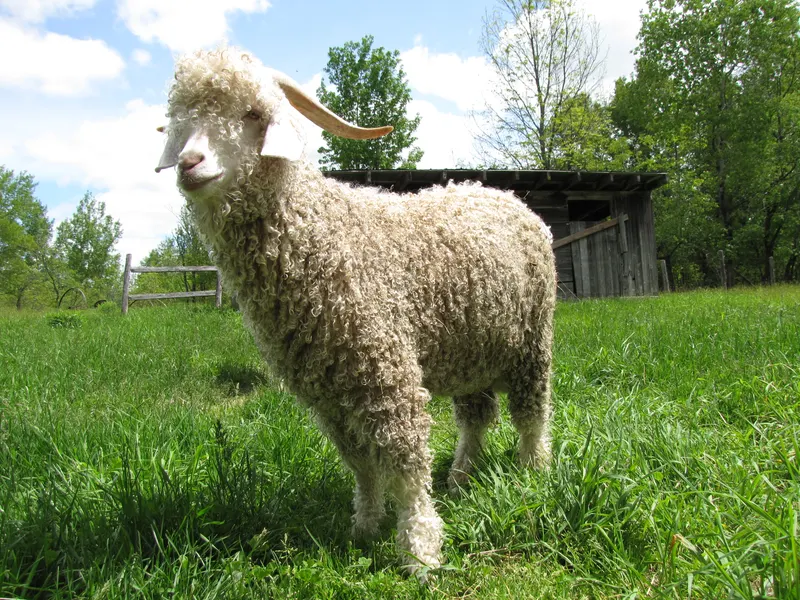
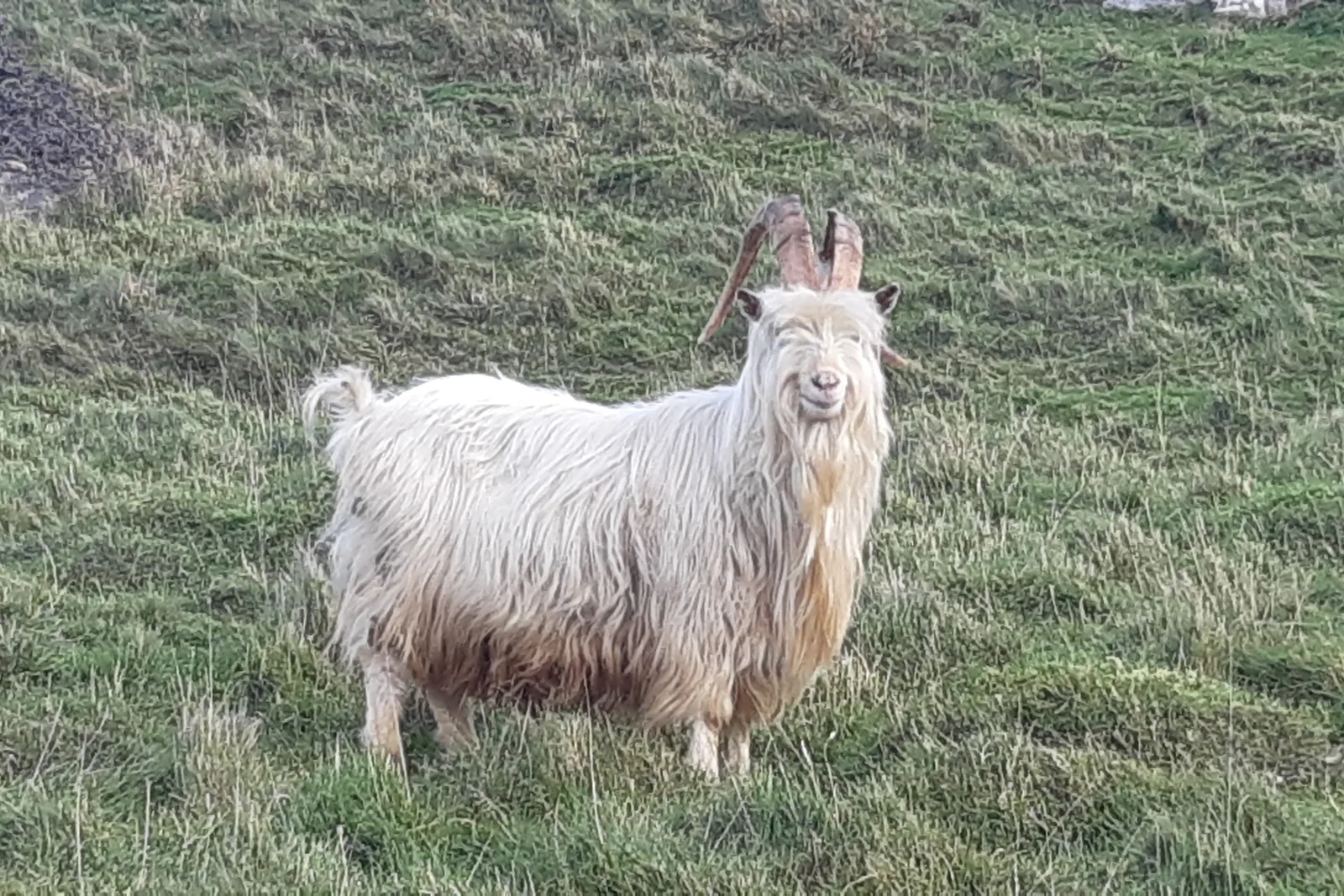
Cashmere is the fine, downy undercoat of cashmere goats, which grow it to survive cold winters. China and Mongolia are the largest producers. The down is combed or sorted from the coarser outer hair, and each goat yields only a small amount of it a year, which is a big part of the price.
In the US, fiber can only be labeled cashmere if it averages no more than 19 microns in diameter. That fineness is what makes it so soft against the skin, and it's light and warm for its weight. It has less spring than wool, though, so ribbing in pure cashmere relaxes more.
What is silk?
Most silk yarn is mulberry silk, reeled or spun from the cocoons of cultivated silkworms fed on mulberry leaves. It's smooth, bright white and takes dye with deep, glowing color. Tussah or wild silk comes from other silk moths; it's usually honey-colored and a little coarser, with a softer sheen.
Silk is strong for its weight and drapes like nothing else, but it's dense and has almost no elasticity. Pure silk garments hang and can lengthen, and the fabric shows uneven tension. It's at its best in shawls and lace, where drape is the point. Knit Picks Luminance, a 100% mulberry silk laceweight at 439 yd per 50 g, blocks into lace that glows.
Blends: luxury on a budget
Most knitters meet silk and cashmere in blends, and for many projects a blend is the better yarn, not just the cheaper one:
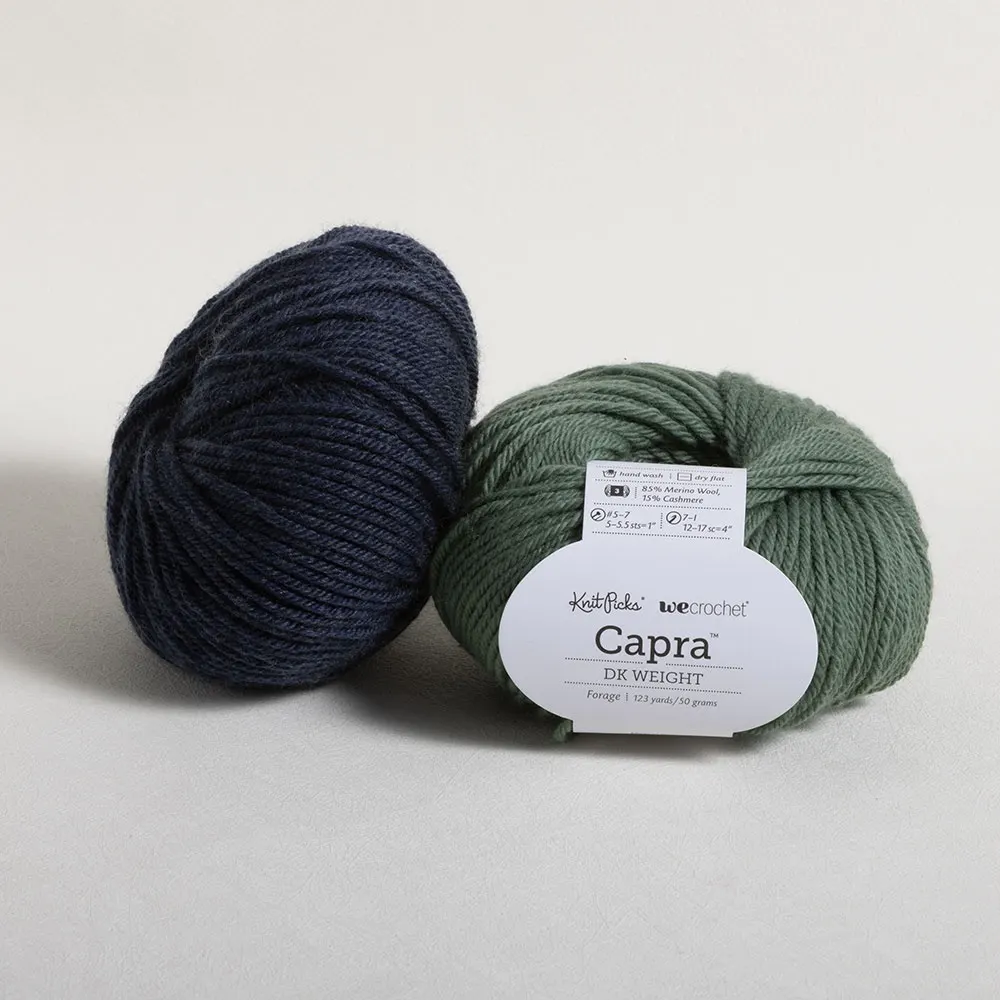
- Merino and cashmere: merino adds spring and durability, cashmere adds softness. Knit Picks Capra DK is 85% merino and 15% cashmere.
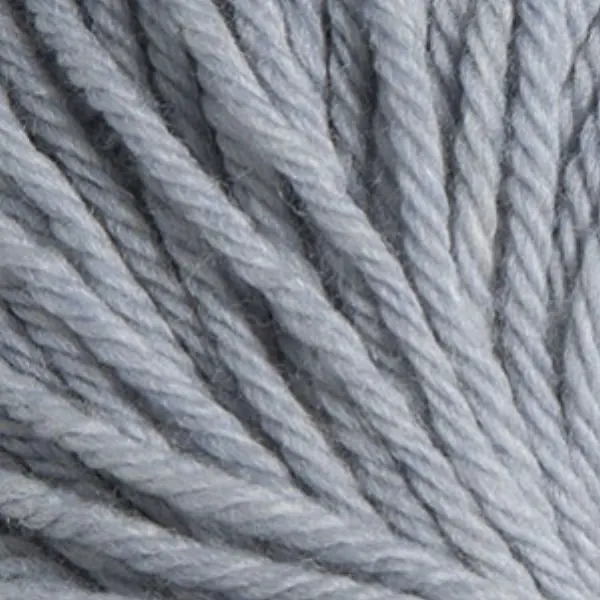
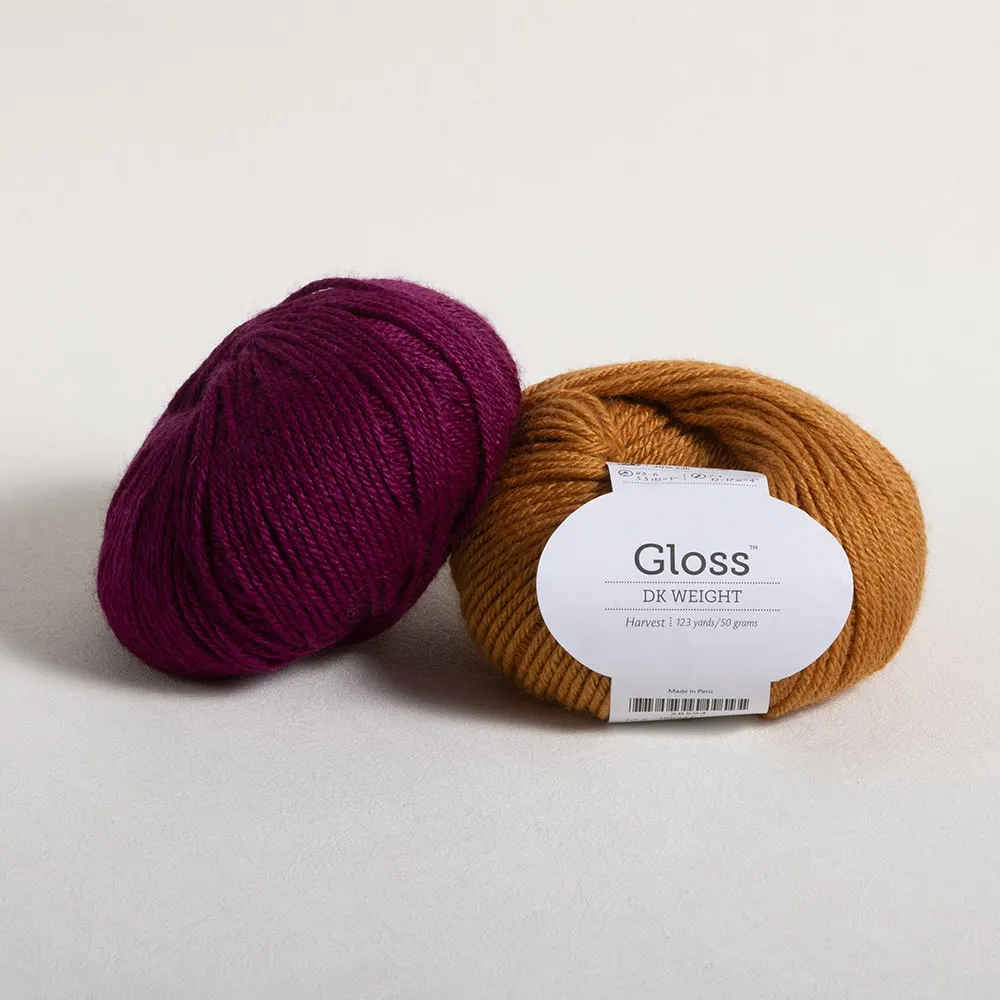
- Merino and silk: silk adds sheen, strength and drape. Knit Picks Gloss DK is 70% merino and 30% silk.
- Merino, silk and cashmere: all three, as in Madelinetosh Pashmina.
- Cashmere with nylon: for socks that wear well, like Dream in Color Smooshy with Cashmere.
- Mohair and silk: the silk core holds up a kid mohair halo. See our mohair guide.
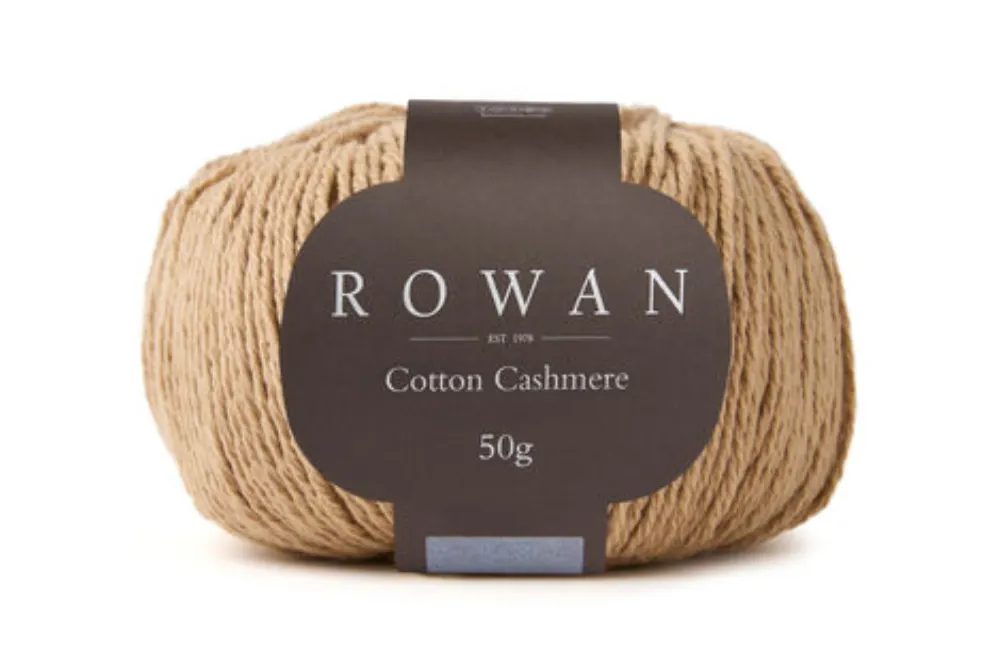
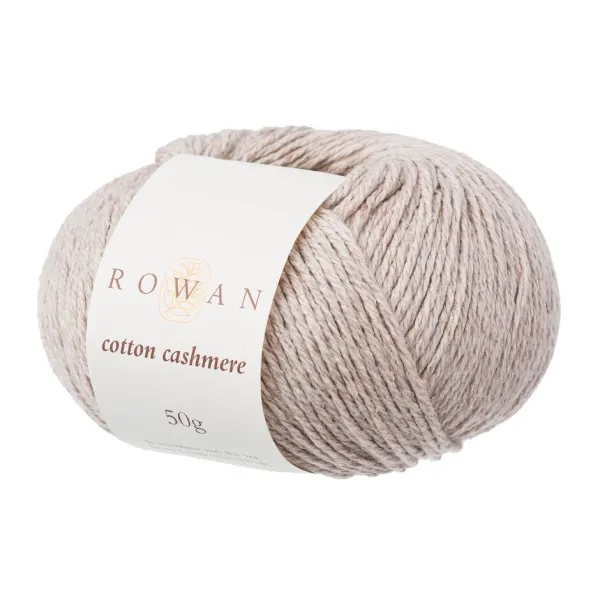
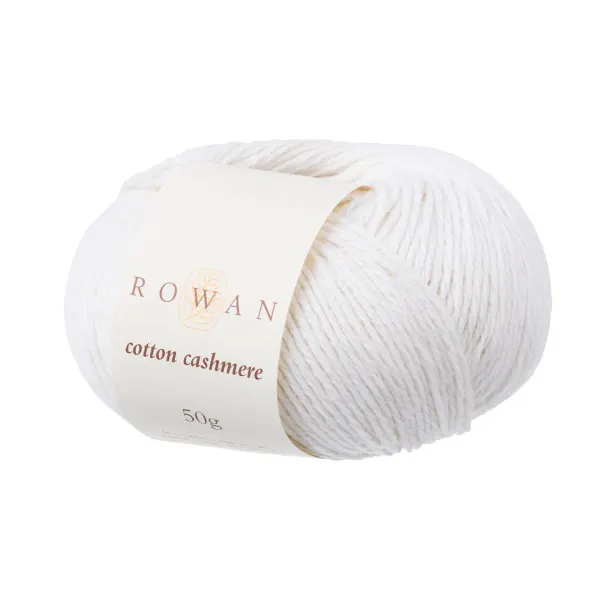
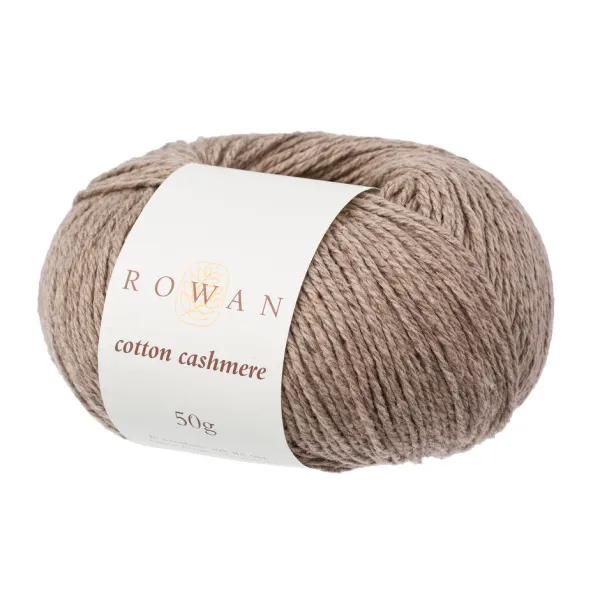
- Cotton and cashmere: cashmere softens cotton for spring, as in Rowan Cotton Cashmere.
Luxury blends to try
Knit Picks
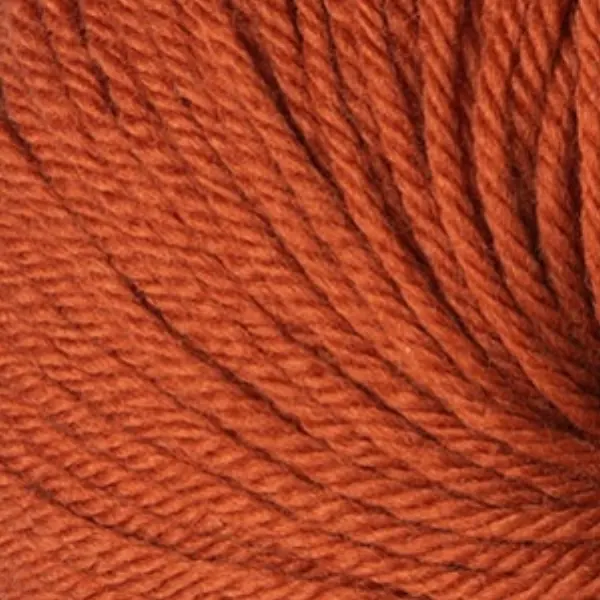
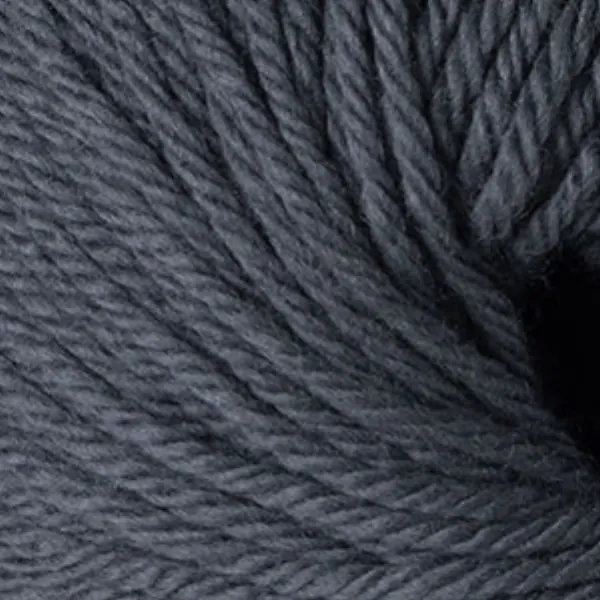
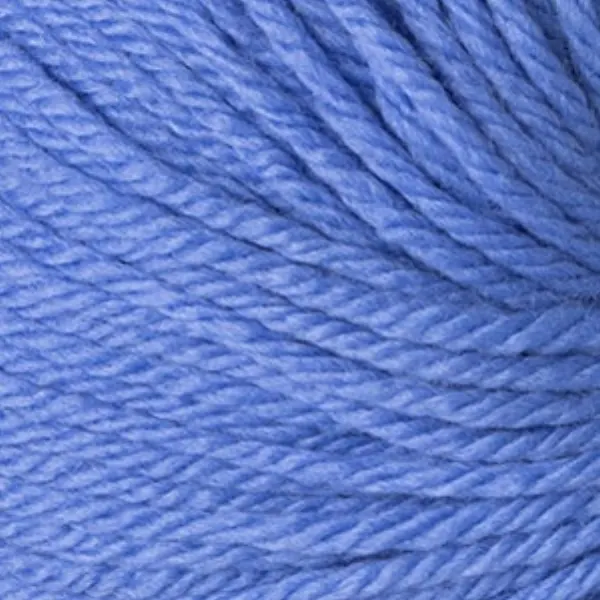
Capra DK
DK · 123 yds / 50 g
Knit Picks
Gloss DK
DK · 123 yds / 50 g
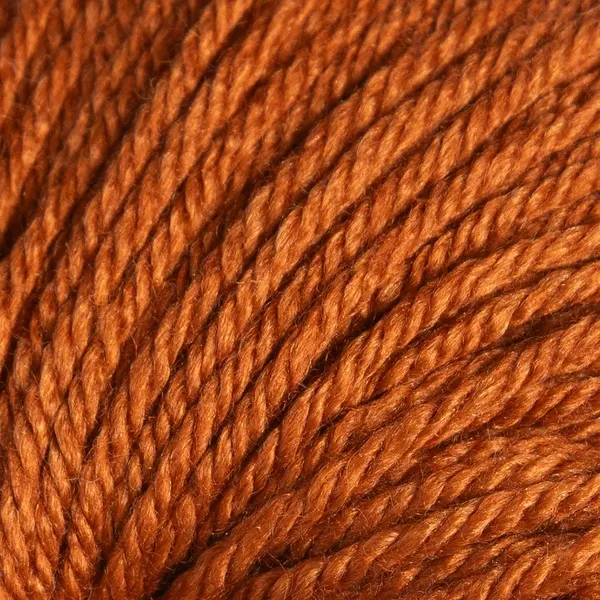
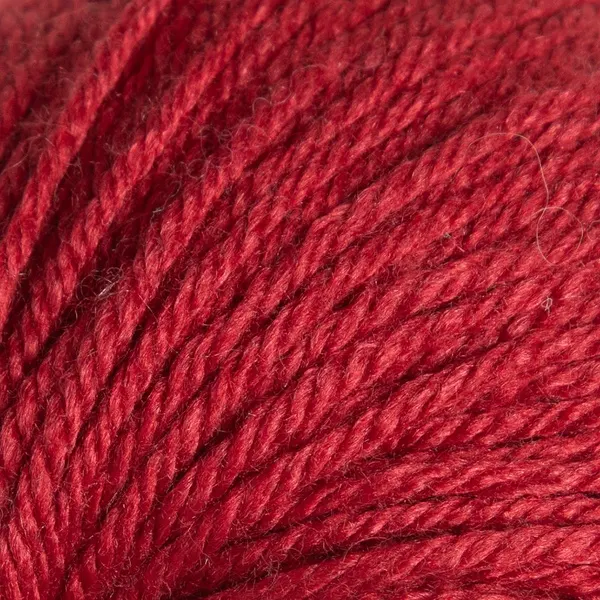
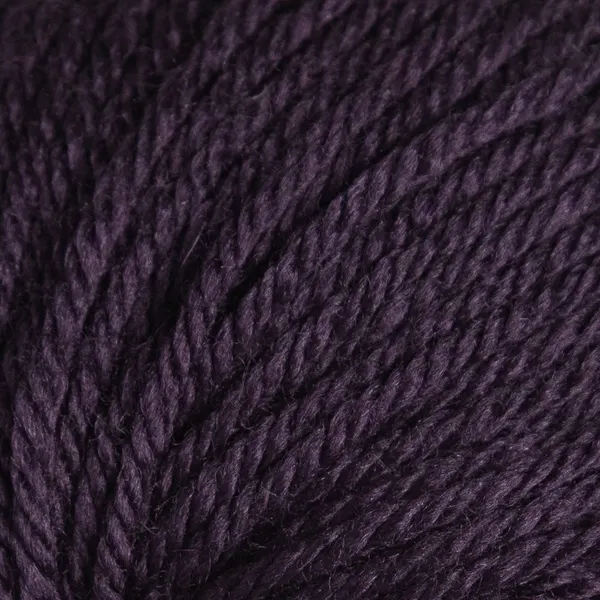
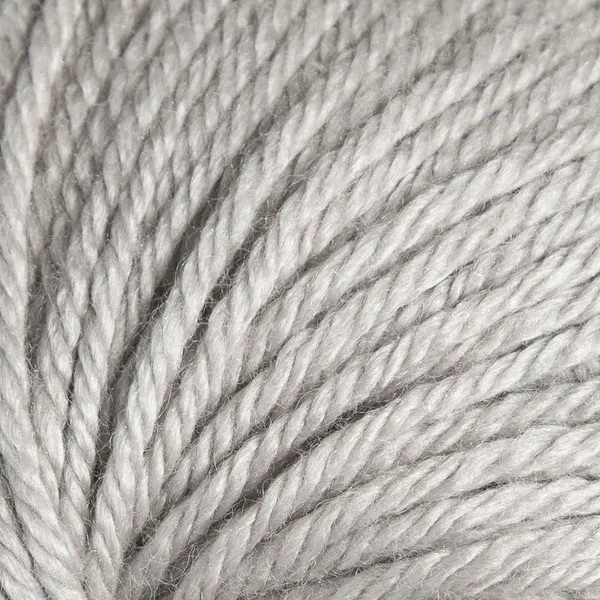
 +4
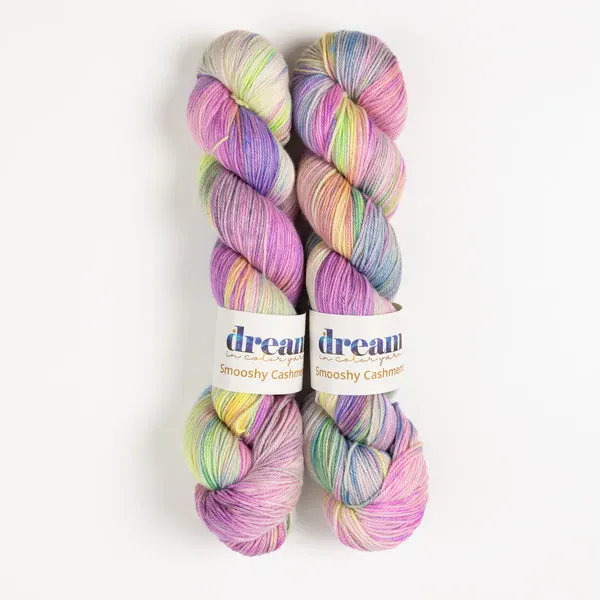
Dream in Color
Smooshy Cashmere
Fingering · 400 yds / 118 g
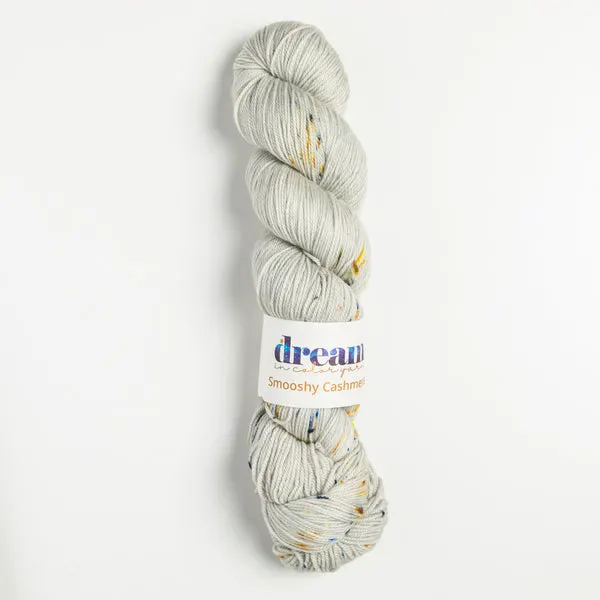
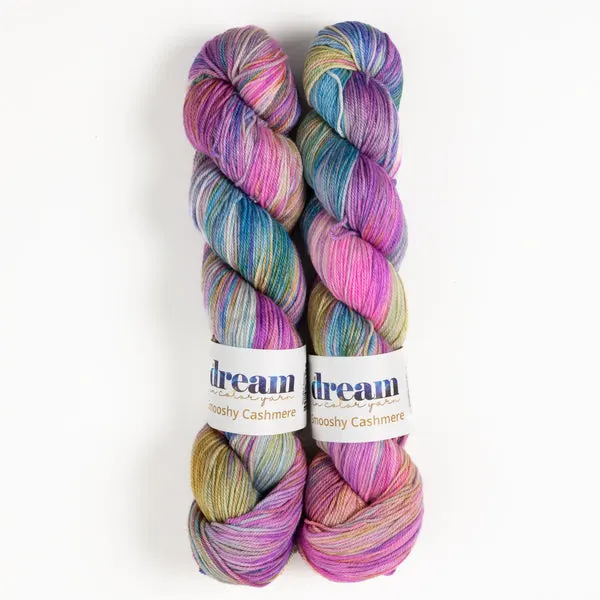
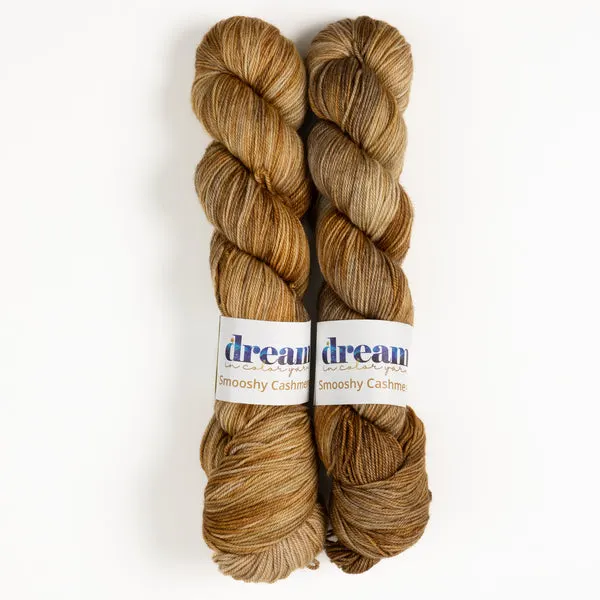
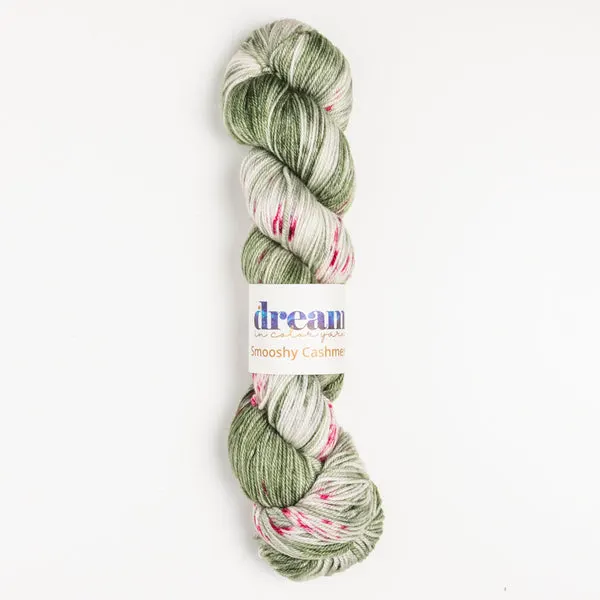 +4
Rowan
Cotton Cashmere
DK · 136 yds / 50 g
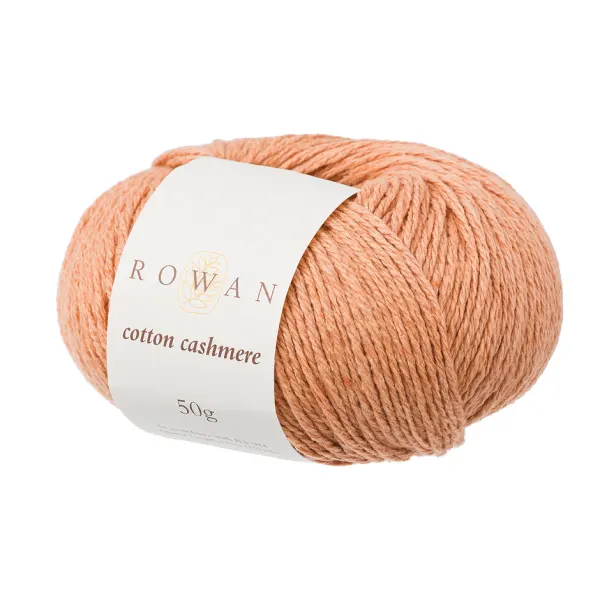
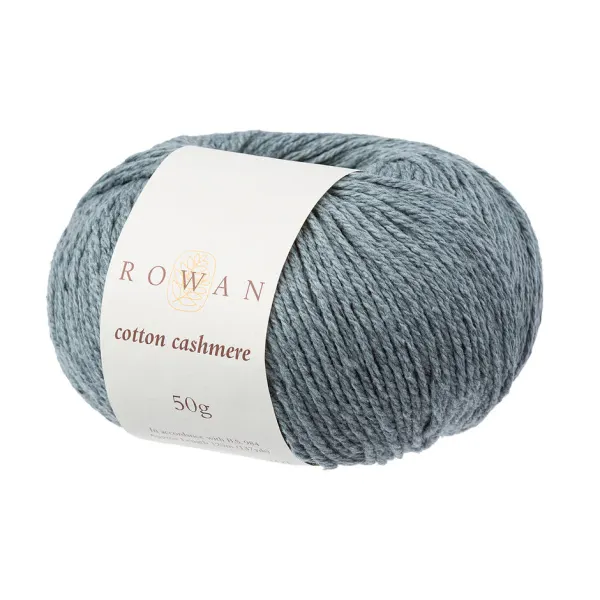
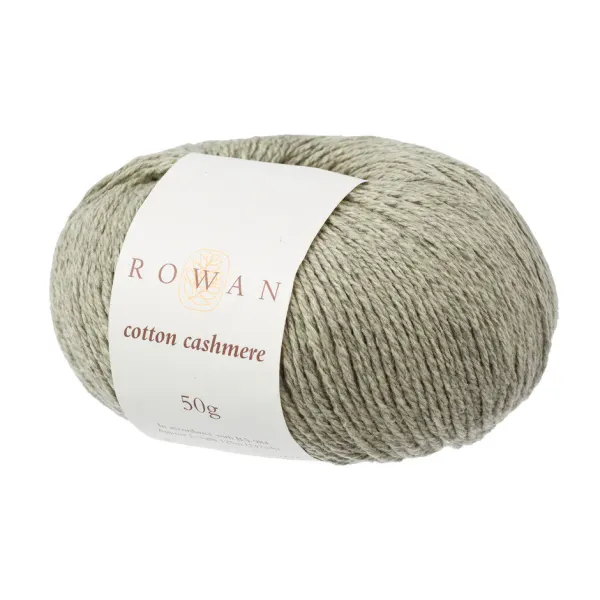 +4
See every cashmere yarn and silk yarn in the shop.
Pilling: what to expect
Pills form when short fibers work loose and twist into little balls where fabric rubs: under the arms, at the cuffs, where a bag strap sits. Cashmere's fine, short fibers make it especially prone to pilling, and so do loosely spun singles. Spun silk, made from shorter silk fibers, can pill too, though less than cashmere.
- Choose plied, firmly twisted yarns over soft singles for garments.
- Knit at a slightly firmer gauge; loose stitches move and rub more.
- Use pure cashmere for low-friction pieces like cowls and hats, and a blend for sweaters.
- Remove pills gently with a sweater comb or fabric shaver. Pilling usually eases once the loosest fibers are gone.
Caring for silk and cashmere
Hand wash both in cool water with a gentle wool wash, and don't soak them for long. Squeeze, never wring: silk is weaker when wet, and cashmere felts with heat and agitation. Roll the piece in a towel to remove water and dry it flat, away from heat and sun. Never use chlorine bleach on either. Store cashmere clean and folded, not hung, and protect it from moths, which love fine animal fibers.
When are they worth it?
- Worth it: a cowl, hat or scarf worn against the neck; a lace shawl in pure silk; a gift meant to be kept for years; small projects where one or two skeins go a long way.
- Think twice: a pure cashmere sweater for everyday wear, which will pill at the arms; pure silk for a fitted garment; anything that will be machine washed or worn hard.
- Try a blend instead: for sweaters, socks and baby things, where 10–30% silk or cashmere gives most of the feel with better wear.
Swapping a pattern's yarn for a luxury one? Our guide to substituting yarn explains how to match weight and fiber, and the natural fiber guide compares silk and cashmere with wool, alpaca and the rest.
Questions
Why is cashmere yarn so expensive?
Each goat produces only a small amount of fine down a year, and it has to be separated from the coarse outer hair before spinning. The fineness that makes it soft is also what makes it costly to produce.
Does silk yarn stretch?
Silk itself has very little elasticity, so it doesn't spring back. Pure silk garments can lengthen with wear because the yarn is heavy. That makes it lovely for shawls and drapey pieces but less suited to fitted ones.
Will my cashmere stop pilling?
Usually it settles. The first pills come from the loosest short fibers; once those are combed away, pilling tends to slow down, though areas with constant friction will keep pilling a little.