Choosing yarn
How to Store Yarn: Stop Moths, Damp, Fading and Tangles
Yarn keeps for decades if you store it well, and can be ruined in a single summer if you don't. The four threats are moths, moisture, light and tangles. Here's how to deal with each, and how to organize a stash so you know what's in it.
Some links in this guide are affiliate links. We earn a commission on purchases made through them, at no extra cost to you.
Moths: the biggest threat to wool
The damage comes from the larvae of clothes moths, not the adults. They feed on keratin, the protein in animal fibers, so wool, alpaca, mohair, cashmere, yak and silk are all at risk, and so are blends that contain them. Cotton, linen and acrylic aren't food for them, though larvae will chew through them to get to something that is. They prefer dark, undisturbed places and yarn or knits that carry traces of skin oils, sweat or food.
- Signs of trouble: cut strands or loose ends where there shouldn't be any, small holes in knits, fine silky webbing or tubes, and gritty crumbs (droppings) in the bottom of a bin.
- Seal what you aren't using. Moths can't eat what they can't reach. Lidded bins with a tight seal or zip-top bags are the most reliable defense.
- Disturb your stash. Larvae like to be left alone. Taking yarn out, handling it and airing it a few times a year makes a bin far less inviting.
- Wash before storing. Finished knits that have been worn should be washed before they go away for the season.
If you find moths
- Bag every affected skein and knit straight away, so nothing spreads.
- Throw out anything badly eaten. Brush and shake off the rest outdoors.
- Freeze the bags flat for at least a week at 0°F (−18°C) or colder. A chest freezer is ideal.
- Vacuum and wipe down the shelves, drawers or bins the yarn came from, paying attention to corners and crevices.
- Check the rest of your stash and any wool clothing nearby. Pheromone traps can tell you whether adults are still around.
Keep yarn dry, cool and out of the sun
Moisture causes mildew and musty smells that are hard to wash out. Basements, garages, attics and exterior walls are the usual problem spots. Store yarn in the living part of the house, and never seal yarn that's even slightly damp: an airtight bin traps moisture as well as keeping it out. A silica gel pack in each bin helps in humid climates.
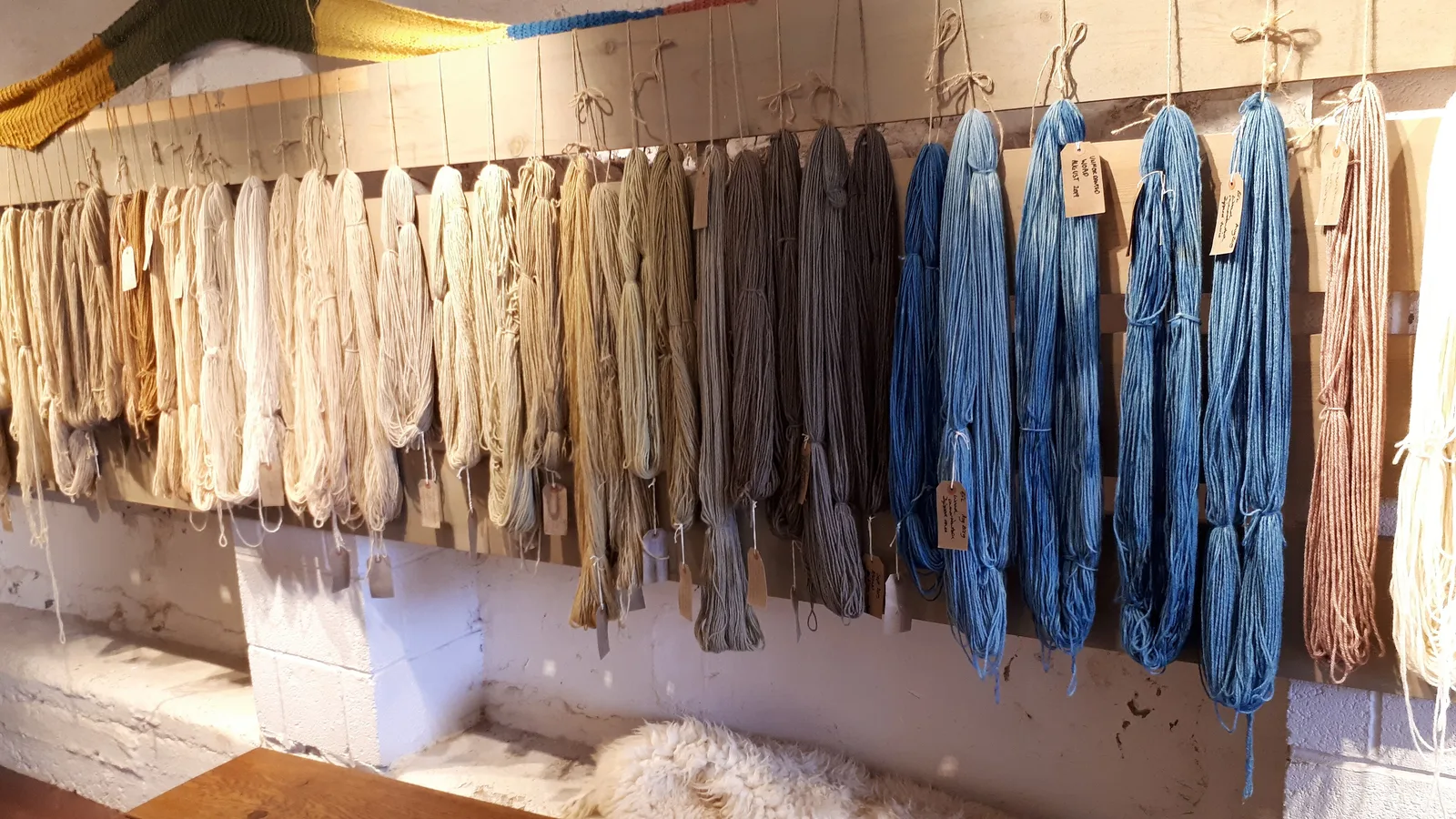
Light fades dye, and hand-dyed yarns often fade faster than commercial ones. Direct sun through a window can bleach the exposed side of a skein in weeks, leaving it a different color from the rest. If your yarn is on open shelves, keep it out of direct sunlight, or use opaque bins.
Heat is less of a risk, but avoid radiators and hot lofts: warm, dark, undisturbed places are exactly where moths thrive.
Choosing containers
| Storage | Good for | Watch out for |
|---|---|---|
| Clear lidded plastic bins | Long-term stash; you can see what's inside | Sunlight if they sit near a window; seal only dry yarn |
| Zip-top bags | Sorting by project or dye lot inside a bin | Thin bags can be chewed through; double-bag wool |
| Vacuum storage bags | Saving space with smooth wool or cotton | They crush lofty yarns like mohair and brushed alpaca |
| Open shelves or cube units | Yarn you're about to use; seeing colors together | Dust, light and moths. Check and rotate often |
| Pegboards and wall hooks | Displaying hanks | Same as open shelves |
| Project bags | Works in progress with their needles and pattern | Not a long-term home for wool |
Cardboard boxes and baskets look good but don't stop moths, and cardboard absorbs damp. If you love a basket, line it with a sealed bag.
Keep yarn tangle-free
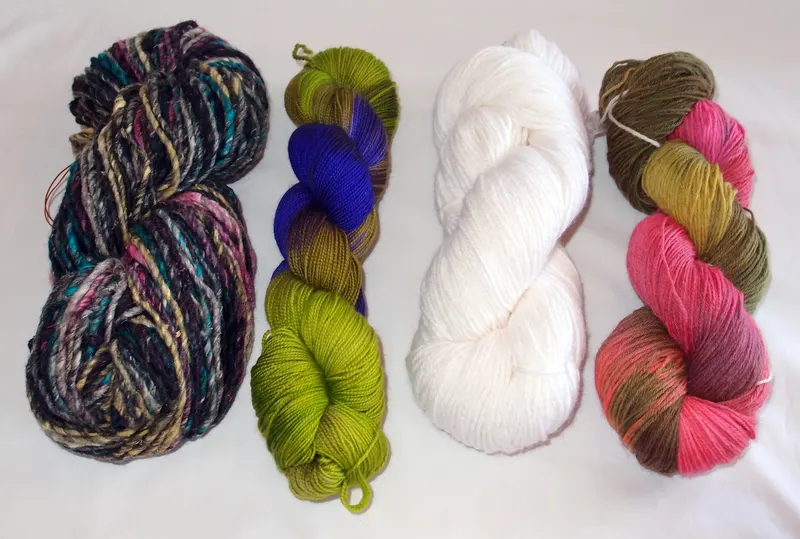
- Leave hanks as hanks until you're ready to use them (see skeins, hanks and cakes). A twisted hank stores compactly and doesn't tangle, while a tightly wound cake holds the yarn under tension for as long as it sits.
- Wind cakes loosely if you do wind ahead, and use them within a few months.
- Tuck in the ends. Pull a center-pull ball's inner end out and tuck it around the outside, or secure it with a twist tie, so it can't work loose in a bin.
- Bag partial balls separately. Loose ends from several balls in one bin will find each other.
Pets are a tangle risk of their own. Cats chew yarn and swallowed strands can be dangerous for them, so keep works in progress in a closed bag or box, not an open basket. A sturdy bag like the della Q Maker's Canvas Backpack keeps a project, its needles and its pattern together and off the floor.
Label and organize your stash
A stash is only useful if you can find things in it. Keep the ball band with every skein: it holds the fiber, weight, yardage, color name and dye lot, and you'll need all of them when you plan a project or buy more. Then sort in whatever way you plan projects:
- By weight, if you usually choose a pattern first and then look for yarn.
- By fiber, keeping animal fibers in the most secure bins and cotton and acrylic wherever is convenient.
- By color, if you like to plan colorwork or palettes from what you have.
- By project, with everything for one planned piece bagged together.
For partial balls, weigh them and write the weight on the band. A digital kitchen scale that reads in grams is accurate enough, and with the yardage from the band you can work out exactly how much is left.
Planning to use up what you've stored? Our guide to substituting yarn shows how to match stash yarn to a pattern written for something else.
Questions
Can I store yarn in vacuum bags?
Smooth wool, cotton and acrylic usually recover after compression, especially once they're washed. Lofty and haloed yarns like mohair and brushed alpaca can stay flattened, so store those uncompressed.
Does acrylic yarn need protecting from moths?
Moths don't eat pure acrylic, but blends with any wool, alpaca or silk in them are at risk, so check the fiber content on the band before deciding where a yarn goes.
How long does yarn last in storage?
Clean, dry yarn kept away from light and pests lasts for decades. Very old yarn can become brittle, so tug a length before you start a project: if it snaps easily, it won't wear well.